Hydrogen news
European provisional agreement for hydrogen stations infrastructure shows its faith in H2
The Council and European Parliament have come to a political agreement to move forward in alternative fuels. A growing number of electric charging and hydrogen stations are expected to be deployed throughout Europe in coming years following a new provisional political agreement between the Council and the European Parliament. The agreement is shows that Europe strongly believes H2 will be a critical step forward in energy. The agreement will also provide European citizens and other stakeholders with a clear message that the EU will be installing refueling and recharging infrastructure in the…
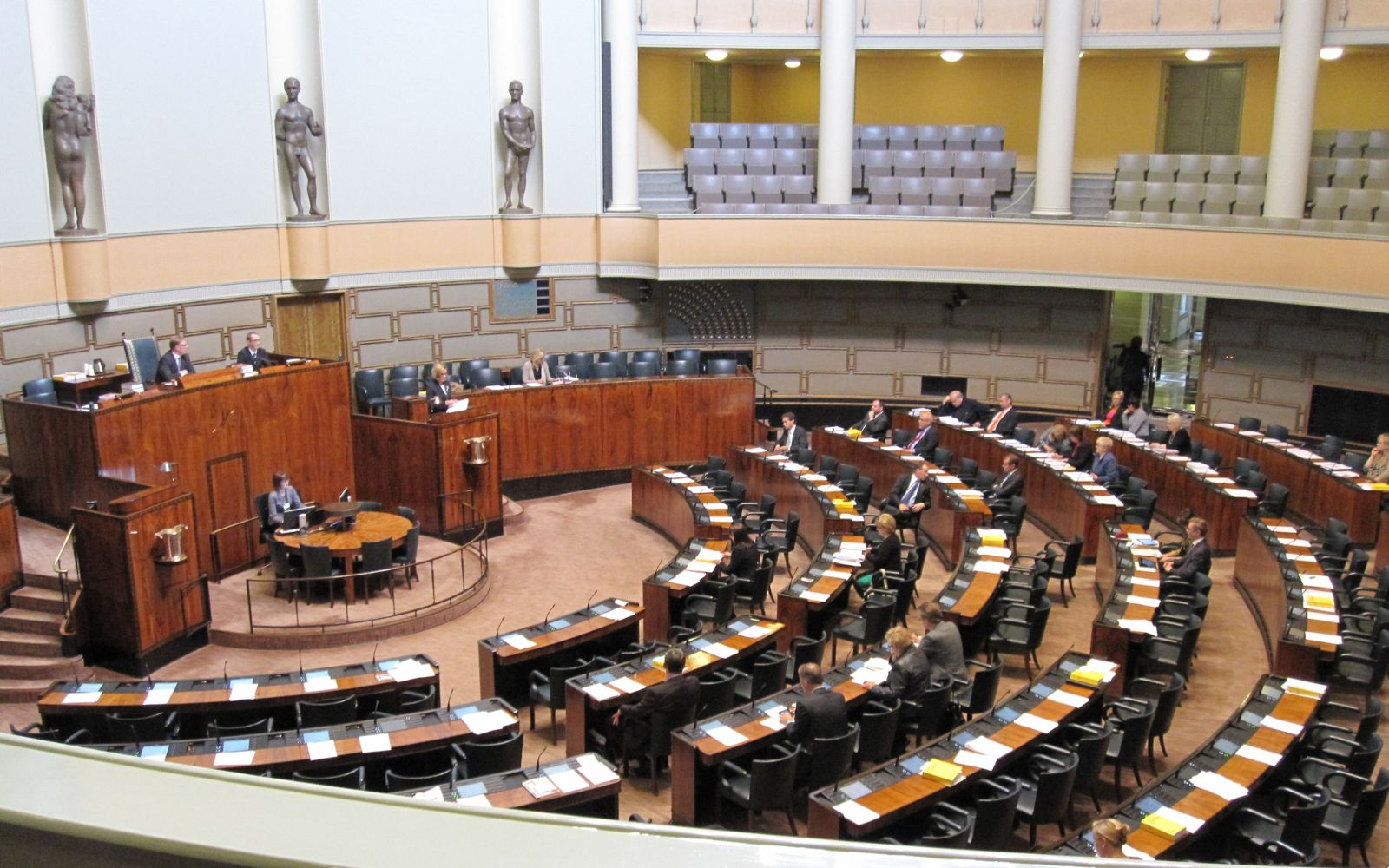
The Council and European Parliament have come to a political agreement to move forward in alternative fuels.
A growing number of electric charging and hydrogen stations are expected to be deployed throughout Europe in coming years following a new provisional political agreement between the Council and the European Parliament.The agreement is shows that Europe strongly believes H2 will be a critical step forward in energy.
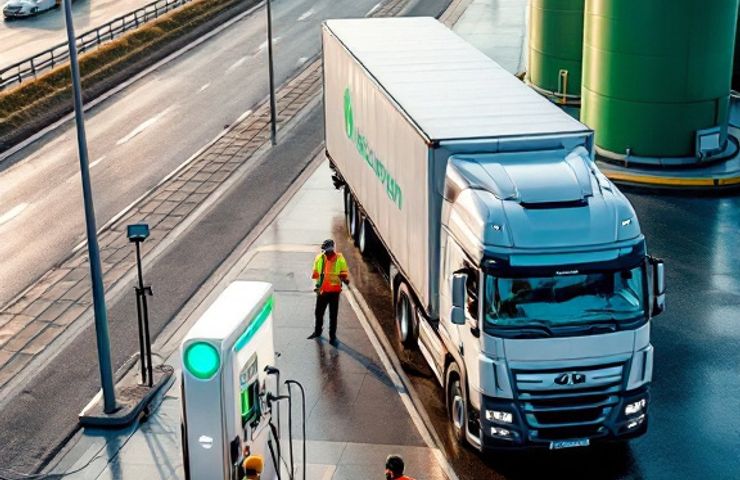
The agreement will also provide European citizens and other stakeholders with a clear message that the EU will be installing refueling and recharging infrastructure in the form of electric recharging and hydrogen stations. With more refueling capacity along motorways as well as within urban areas, citizens will be able to feel more confident that purchasing an alternative energy vehicle won’t limit their ability to travel. This also underscores the importance of H2 in the transportation industry throughout Europe as a part of its efforts to reduce greenhouse gas emissions while also improving energy security.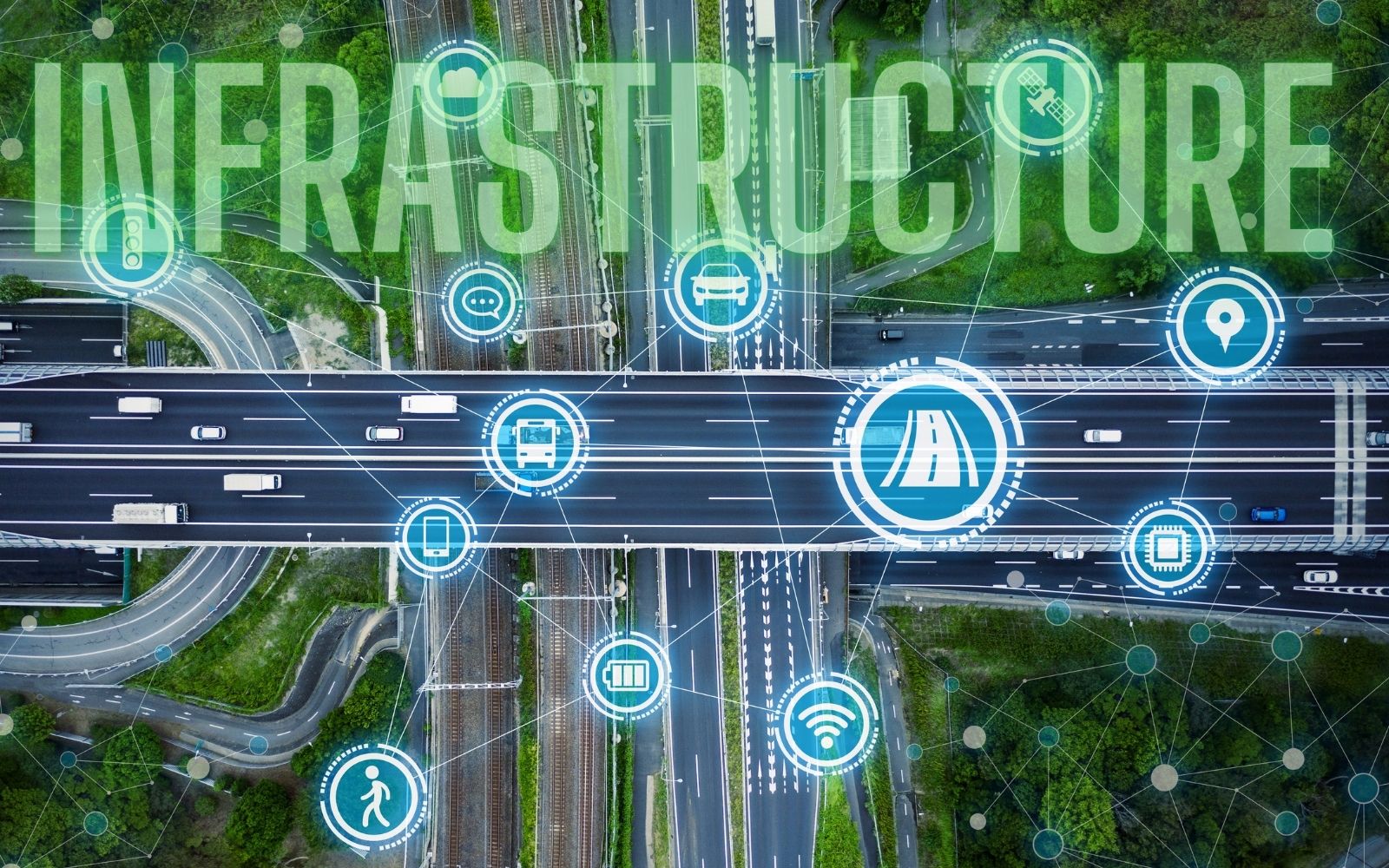
The provisional agreement for the electric and hydrogen stations infrastructure had several main objectives.
There are three main points to the new alternative fuel infrastructure regulation (AFIR). They are the following:- To make sure that the infrastructure is in place for recharging or refueling vehicles on the roads or ships traveling in the water.
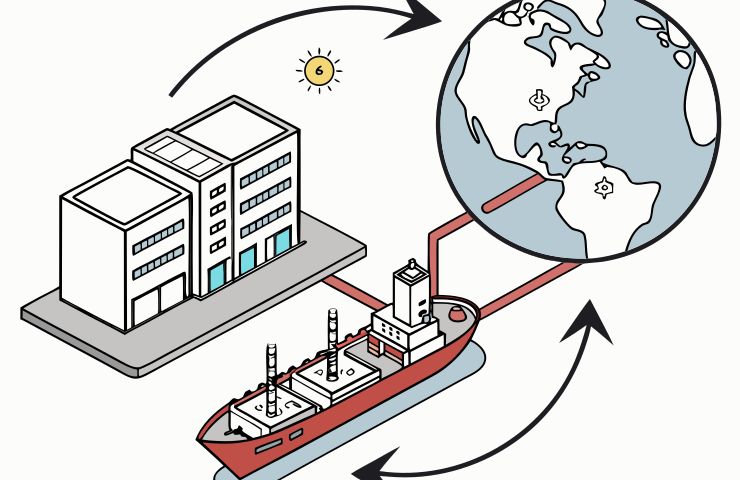
- To offer alternative solutions for vessels at birth as well as for stationary aircraft so that they don’t need to keep fossil fuel-powered engines running.
- To make sure the infrastructure throughout the EU is easy to use by focusing on full interoperability.
How was this article?
Thanks for the feedback!