Hydrogen news
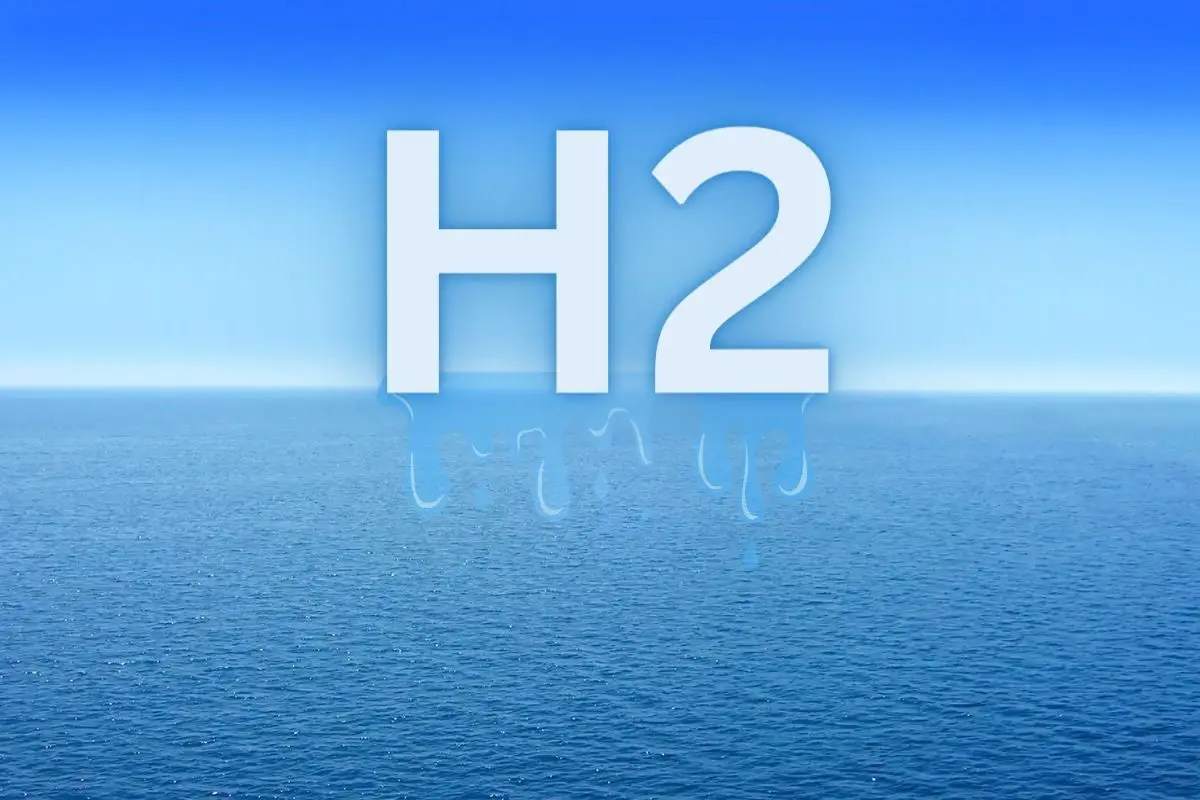
Is producing clean hydrogen from seawater a pipedream?
A team of researchers are working on proving it’s not. While producing clean hydrogen is achievable via electrolysis, the reality is that currently many obstacles stand in the way of this energy source reaching its full large-scale potential. Aside from the high cost to produce the fuel, another major obstacle is long-term sustainable production. At present, the electrolysis process relies on freshwater. The Earth has more seawater than fresh water, by a lot. According to the US Environmental Protection Agency, more than 97% of the earth’s water is in our seas and oceans – saltwater. Only 2%…
A team of researchers are working on proving it’s not.
While producing clean hydrogen is achievable via electrolysis, the reality is that currently many obstacles stand in the way of this energy source reaching its full large-scale potential. Aside from the high cost to produce the fuel, another major obstacle is long-term sustainable production. At present, the electrolysis process relies on freshwater.The Earth has more seawater than fresh water, by a lot.
According to the US Environmental Protection Agency, more than 97% of the earth’s water is in our seas and oceans – saltwater. Only 2% of the planet’s water is stored as fresh water in snowy mountain ranges, ice caps and glaciers. This leaves a mere 1% of the Earth’s water available to us to support our daily water needs. Since we have such an abundance of seawater, why don’t we make clean hydrogen from saltwater and preserve our freshwater supplies? The reason is that current electrolysis processes cannot produce pure hydrogen from seawater. The reason: ocean water contains large amounts of potassium hydroxide and sodium chloride. Although these compounds are part of the electrolysis process and increase energy consumption, they don’t pull pure hydrogen out of the water. Moreover, these compounds corrode the electrolyzer’s components.Chinese researchers believe they can generate pure clean hydrogen from seawater.
A team of researchers form the Songshan Lake Materials Laboratory in China, led by Professor Lifeng Liu, are working on overcoming the challenges of producing clean hydrogen from seawater with a new electrolysis device. Their device mixes seawater with hydrazine, which is a molecule composed of nitrogen and hydrogen. Hydrazine can significantly boost the efficiency of hydrogen production. Additionally, the researchers coated the device’s electrodes with a foil made of tellurium and platinum. This foil reportedly acts as a catalyst in electrolysis. It facilitates the process without taking part in the chemical reaction.
Their experiments with the device showed promising results. Compared to what conventional seawater catalysis requires, their device maintained catalysis at a far lower voltage between the electrodes. This reduced unwanted side reactions, which, in turn, increased the electrolyzer’s reliability and prevented corrosion. What’s more, the device produced more energy than it consumed, leading to self-sustaining hydrogen production.
Additionally, the researchers coated the device’s electrodes with a foil made of tellurium and platinum. This foil reportedly acts as a catalyst in electrolysis. It facilitates the process without taking part in the chemical reaction.
Their experiments with the device showed promising results. Compared to what conventional seawater catalysis requires, their device maintained catalysis at a far lower voltage between the electrodes. This reduced unwanted side reactions, which, in turn, increased the electrolyzer’s reliability and prevented corrosion. What’s more, the device produced more energy than it consumed, leading to self-sustaining hydrogen production.
“Self-powered” seawater electrolysis
“The most important findings in our study,” commented Liu, “is that through rational design, seawater electrolysis can take place spontaneously, namely, be self-powered.” In short, Liu explains, their device could be operated using seawater without requiring external electricity input. “Our devices can help substantially reduce the energy consumption of water electrolysis, thereby showing significant potential for lowering the hydrogen production cost,” Liu stated as reported by Advanced Science News.Promising research, but still a lot of kinks to work out.
Though the researchers’ experiments with their new device have shown promise, they admit that their electrolysis method has shortcomings. Before they can achieve pure clean hydrogen production with it, the need to find a catalyst other than platinum for the electrolysis process. Platinum is costly and mining it is harmful to the environment. Additionally, hydrazine, though effective is highly toxic and may be harmful to operators and the environment. As such, as alternative needs to be found here as well. Ready to test your knowledge on the most abundant element in the universe? Take our fun and engaging Hydrogen Quiz now! [forminator_quiz id="58712"]How was this article?
Thanks for the feedback!