EU opens funding call for renewable hydrogen, electrolyzers and CO₂ infrastructure
The European Commission has launched a landmark funding call to turbocharge green hydrogen, electrolyzers and CO₂ networks—paving the way for deep industrial decarbonization.
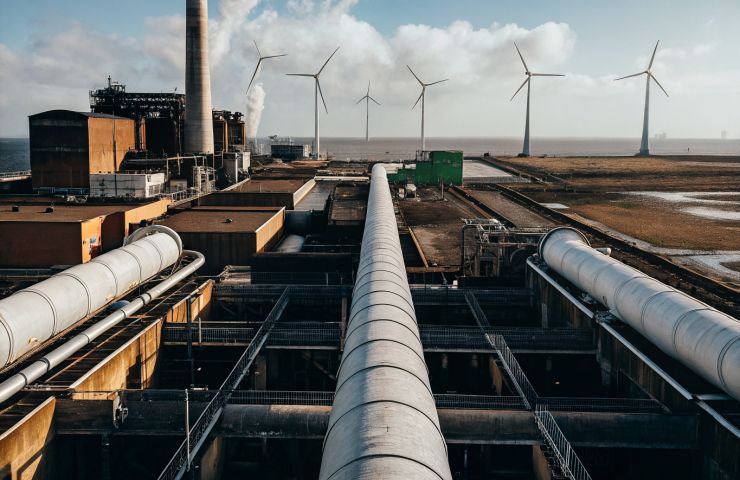
Europe is really stepping up its game when it comes to tackling climate change, especially with this new funding initiative that’s got clean hydrogen news at the forefront. Managed by the European Commission, this call for proposals is all about ramping up green hydrogen production, boosting electrolyzer manufacturing, and building networks to capture and transport CO₂. This isn’t just a casual suggestion; it’s a serious commitment to attract both public and private investment as the EU aims to decarbonize heavy industry, enhance energy security, and drive some serious economic growth.
Why is renewable hydrogen a game-changer?
For a block of about 450 million people who have a per-capita GDP close to $44,000, reducing reliance on imported fossil fuels is more critical now than ever. With the EU Emissions Trading System steadily increasing the cost of carbon-heavy power and heat, heavy industries are being pushed to find low-carbon alternatives. That’s where renewable hydrogen comes into play: it’s produced through water electrolysis by using energy from wind, solar, or hydro power, offering a no-emission solution for processes that electrification alone can't handle.
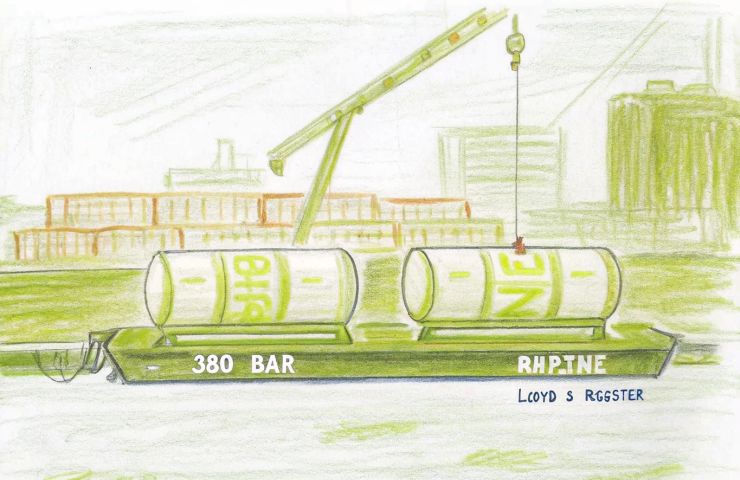
Take steelmaking, for example—hydrogen can replace coke in reducing iron ore, or in chemical production where it’s essential for making ammonia and methanol. Plus, when there’s an abundance of renewable energy, it can be stored as hydrogen in high-pressure tanks, salt caverns, or lined rock formations, showcasing just how versatile hydrogen storage methods can be. Its ability to act as both a fuel and a storage medium makes hydrogen a cornerstone of the European Green Deal and the Fit for 55 climate package.
How are projects expected to take shape?
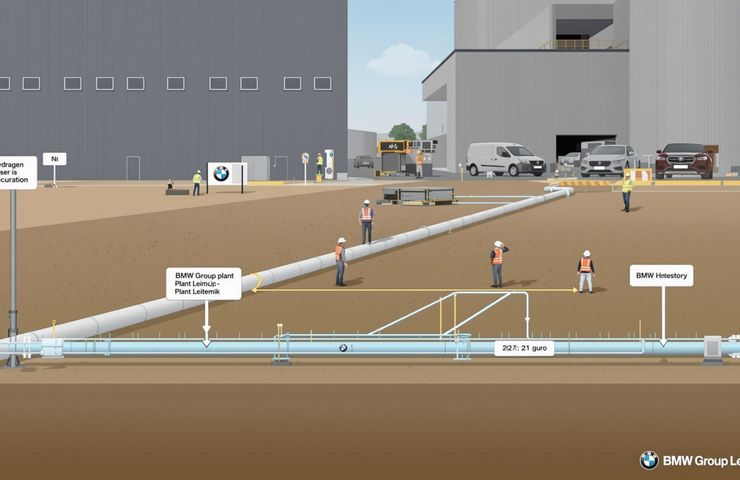
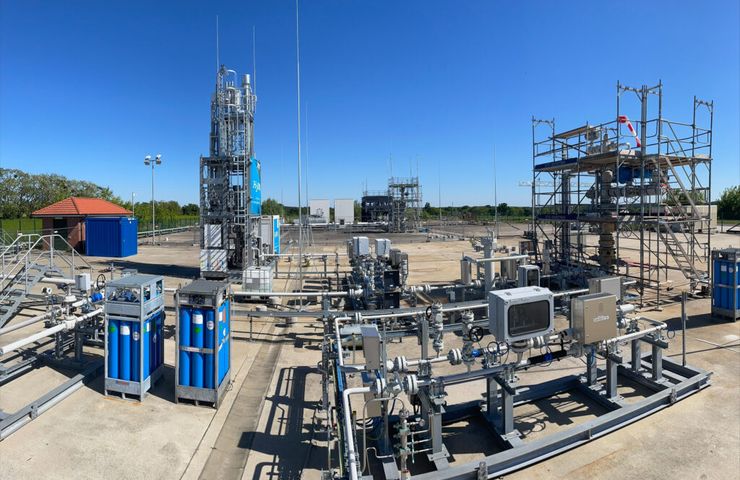
This new funding call is designed to bring together a mix of players: renewable energy developers, electrolyzer manufacturers, industrial end-users, and CO₂ storage operators all working on integrated proposals. Picture a consortium that combines solar and wind energy with a local steel producer. They could set up an electrolyzer right next to the steel plant, where hydrogen would feed directly into a reduction process, and a CO₂ pipeline would transport the exhaust carbon to a geological reservoir miles offshore.
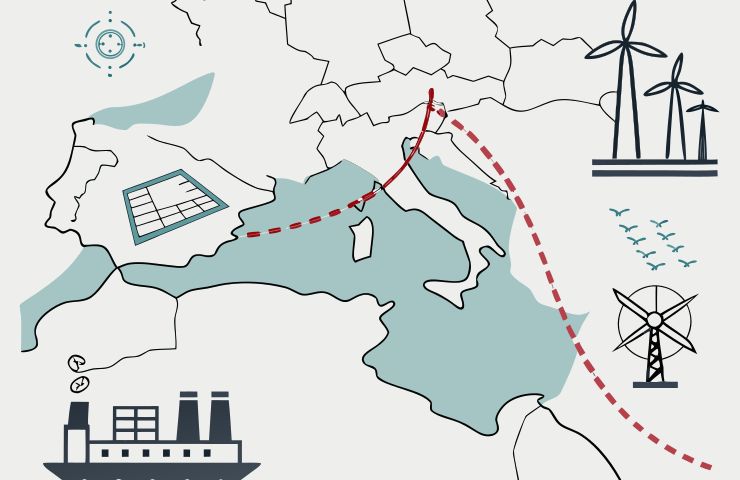
Authorities are pushing for cluster-based approaches, where several emitters share resources. For example, imagine a hub in the North Sea linking offshore wind-to-hydrogen plants with nearby refineries in Germany and fertilizer factories in the Netherlands; this not only creates economies of scale but also speeds up the permitting process by limiting the number of sites involved.
On the tech side, digital platforms will keep tabs on renewable electricity inputs, certify the origins of green hydrogen, and monitor CO₂ injection volumes. Having standardized hydrogen refueling stations and unified clean hydrogen offtake agreements is essential to developing vibrant markets. Funding will also support pilot projects to ensure these certification systems build trust and transparency across Europe.
Which technologies are set to benefit?
Who's coordinating this massive push?
The European Commission has put together a comprehensive strategy. Through the Innovation Fund, grants will back breakthrough technologies, while IPCEI projects will benefit from more flexible state aid. Member states are also boosting funding under the Recovery and Resilience Facility, and the European Investment Bank is ready to provide loans and guarantees. Additionally, the European Hydrogen Bank will play a crucial role in securing offtake agreements that help make business cases viable.
National energy and climate plans are key to identifying priority projects and coordinating permits for pipelines, grid updates, and CO₂ storage licenses. This alignment is crucial for cutting down on regulatory hiccups and speeding up project delivery at scale.
How will industry, transport, and society benefit?
Aligning with national strategies
Each EU member state needs to make sure its energy and climate plans are in sync with these goals. Countries rich in sunshine, like Spain and Greece, might focus on large photovoltaic-to-hydrogen parks, while those with deep saline aquifers, such as the Netherlands and Denmark, could develop extensive CO₂ storage systems. Central European nations are also exploring retrofitting existing gas pipelines for hydrogen blends, paving the way for pure hydrogen corridors in the future.
There are mechanisms in place to prevent duplication of infrastructure and streamline permits across borders. This might help cut down the project timeline significantly, allowing for faster emission reductions and economic benefits.
What’s on the horizon beyond this call?
While the initial focus is on production, electrolyzers, and CO₂ networks, the EU is already eyeing future opportunities for financing downstream applications, like fuel cell data centers, renewable ammonia synthesis, hydrogen-powered marine transport, and innovative e-fuel production. The conversation around green hydrogen vs blue hydrogen will likely evolve, especially since CCUS infrastructure can help support a lower-emission blue hydrogen that suits existing gas users.
Europe is securing its place as a leader in the hydrogen energy news arena, though it faces tough competition from initiatives like the US Inflation Reduction Act and incentives emerging in Asia. By developing a robust domestic supply chain—from components for electrolyzers to pipeline construction—Europe is positioning itself for strategic independence and aims to export its know-how.
Ultimately, this funding call marks a crucial turning point in transitioning hydrogen from just a niche concept to established industrial infrastructure. For innovators, investors, and policymakers, the golden opportunity is coming into focus: Europe’s roadmap for large-scale hydrogen and CO₂ integration is taking shape, paving the way for a vibrant low-carbon economy.