Chemnitz Nets EU Grant for Pipeline Link and 15 MW Solar-Battery Park
Chemnitz secured a reported €30.3 million EU grant to tie into Germany’s hydrogen backbone and develop a 15 MW solar-plus-storage park at Galgenberg energy park.
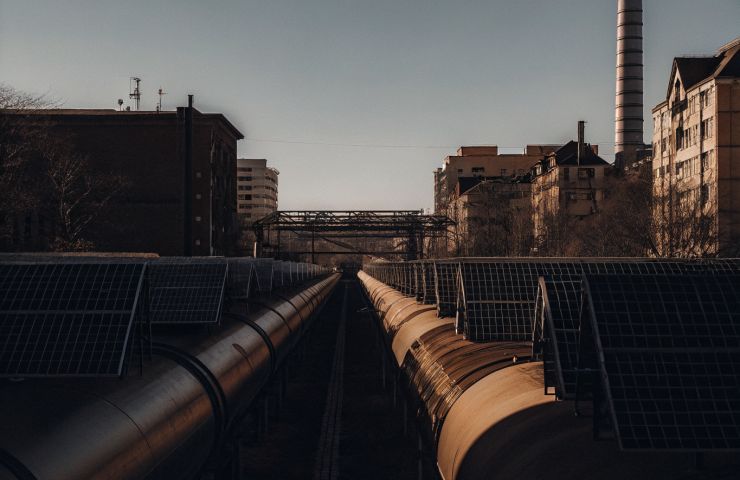
The excitement is building as Chemnitz gears up to become a key player in Germany’s upcoming hydrogen core network. With a generous €30.3 million in EU co-funding, the city is set to ramp up its energy game, bringing a 15 MW solar photovoltaic plant and battery energy storage to the Galgenberg energy park. Sure, it sounds great on paper, but the big question remains: will this project actually deliver concrete benefits for hydrogen infrastructure, or will it just be another box ticked on a bureaucratic checklist?
The Basics
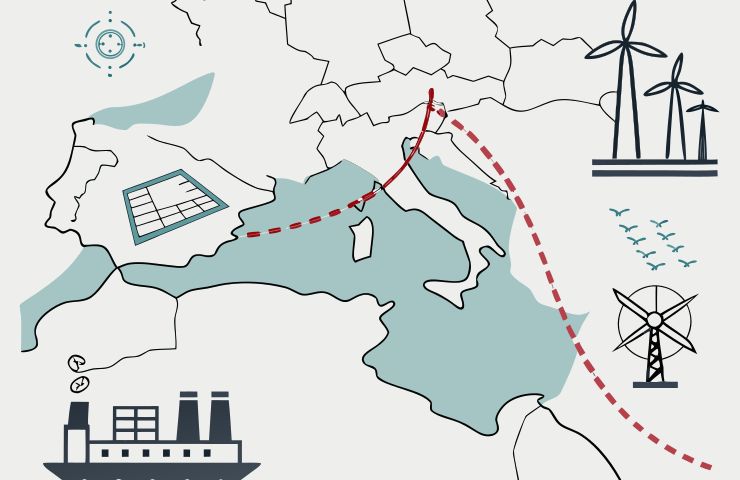
The project has two main components. First off, there’s the pipeline link that’ll connect Chemnitz to Germany’s planned national hydrogen core network. This network is designed to transport low-carbon hydrogen from import points and renewable production areas right to industrial sites. Second, the Galgenberg energy park will host a 15 MW solar array, which will be paired with a battery connected to the grid. This setup will help manage power fluctuations and keep things steady. So far, the EU grant looks like it’ll cover roughly half of eligible costs, which is a much-needed relief for Saxony and local budgets.
Digging into the Pipeline
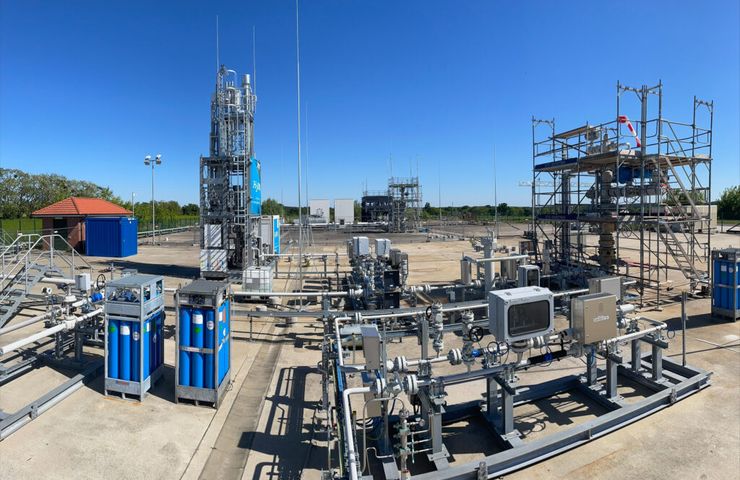
The success of this hydrogen connection relies heavily on making use of existing gas pipelines while also building some new ones. They’ll need to strengthen stainless steel lines to handle hydrogen's unique characteristics, add compressors to maintain pressure, and implement rigorous quality controls to prevent issues like embrittlement. National planners are aiming for significant capacity through these corridors, with Chemnitz scaling up based on local industrial needs. However, final capacities will be shaped through network codes and commercial agreements. There will also be safety systems, metering units, and control infrastructure added, but don’t expect things to get moving overnight—gaining approvals and certifications under German and EU regulations could stretch into the next decade.
Zooming in on Solar and Storage
The proposed solar setup at the Galgenberg energy park will include ground-mounted modules tailored to make the most of Saxony's sunlight, with inverters transforming DC power to AC so it can flow into the distribution grid. They expect the annual output to fall somewhere between 15,000 and 18,000 MWh, depending on various factors. The battery, likely to be lithium-ion, will act as a buffer, storing any excess solar energy and discharging it during peak times or when output is low. This will help with frequency regulation and create some breathing room during high-demand moments. We’re still waiting on some specifics, like storage capacity and cycle life, as those will depend on the final procurement choices.
Strategic Overview
This project is positioned at a really interesting crossroads, aligning with EU infrastructure strategies, national hydrogen policies, and Saxony’s own drive for economic growth. The European Union wants to fund projects that fall in line with broader energy priorities, while Germany's National Hydrogen Strategy is pouring billions into establishing a domestic hydrogen network. Saxony’s roadmap and the Central German Hydrogen Region alliance aim to boost industrial competitiveness and alleviate the effects of coal phase-out. As the EU's TEN-E revision and hydrogen market package comes into play, it’ll be crucial for those involved in Chemnitz to keep a close eye on any regulatory changes. Real progress will hinge on having solid offtake agreements from local metal or chemical firms and clear network tariffs.
Understanding the Local Landscape
Chemnitz has transitioned from a hub of textiles and machine manufacturing into a diverse economy that’s facing challenges with demographic shifts and restructuring post-reunification. With GDP and income levels trailing behind those of western Germany, the city could really use some investment. The Galgenberg site, on the outskirts, offers plenty of space for energy projects while being conveniently located near existing grids and pipelines. Plus, there are technical universities and engineering clusters nearby just itching to explore innovative hydrogen applications, helping to pitch the project as a vital piece of next-gen industry.
The Path Ahead and Potential Challenges
But let’s be clear: nabbing that grant approval is only the first step. There’s a series of phases coming up, including signing EU grant agreements, finalizing national co-funding, completing environmental assessments, and going through tenders that follow EU state-aid rules. Expect the permit processes to take around 18 to 24 months, which could push the construction timeline into the early 2030s. On the hydrogen front, pipeline testing and safety regulations have to be sorted out. As for the renewables, they’ll need to carry out grid connection studies that may necessitate redesigns or costly upgrades. There’s also the risk of procurement delays, battery shortages, or budget overruns, which could throw a wrench in the project's viability.
Final Thoughts
Ultimately, merging hydrogen infrastructure with solar and storage might look good on paper as a model for sector coupling. However, real success will depend on sticking to tight schedules, clear regulations, and securing consistent commercial agreements. That €30.3 million funding headline might draw attention, but the real costs lurking behind it—like pipeline certifications and grid tariffs—could tell a different story. If the necessary codes and market dynamics fall behind, Chemnitz could wind up with underused capacity or stranded assets. It’s an ambitious initiative that’s definitely worth keeping an eye on, but there's no guarantee it will be a slam dunk in Germany’s shift towards hydrogen.
As exciting as funding announcements can be, it's transforming them into usable hydrogen and reliable energy that really counts. Will Chemnitz make that leap?