Hydrogen news
Clean energy from hydropower may come at a cost to the environment
In the tropics, generating hydroelectric power may be causing more harm to the environment than good. According to a study from Texas A&M University, which was recently published in the journal Science, building dams to harness hydropower in tropical rainforests may have a significant negative impact on biodiversity, as well as the tropical rainforest ecosystems that provide people with water and clean air. Instead of helping to combat climate change, this renewable energy source could actually be weakening the rainforest, not helping it. Over 450 dams exist in the Congo, Amazon and Mekong ri…
In the tropics, generating hydroelectric power may be causing more harm to the environment than good.
According to a study from Texas A&M University, which was recently published in the journal Science, building dams to harness hydropower in tropical rainforests may have a significant negative impact on biodiversity, as well as the tropical rainforest ecosystems that provide people with water and clean air. Instead of helping to combat climate change, this renewable energy source could actually be weakening the rainforest, not helping it.Over 450 dams exist in the Congo, Amazon and Mekong river basins.
Hydroelectric power is a booming business in the tropics, particularly in developing tropical countries. However, the tropics happen to be the planet’s most biologically diverse and forested areas, storing more carbon than any other region of the world. What this means is that if hydropower has a negative impact on biodiversity, it could lower the rainforest’s ability to help ease climate change and reduces the chances of the forests withstanding it. The lead author of the Texas A&M University study and an aquatic ecologist at the university, Kirk Winemiller, said that “Far too often in developing tropical countries, major hydropower projects have been approved and their construction begun before any serious assessments of environmental and socioeconomic impacts had been conducted.”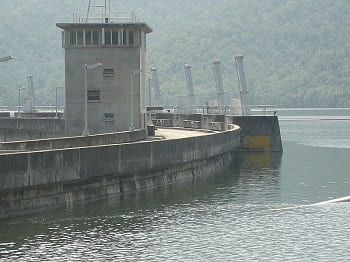 According to the researchers, biodiversity is threatened throughout the tropical forests of South America, Africa and Asia.
Hydropower expansion in these regions could lead to more deforestation and even food security problems.
According to the Texas A&M researchers, the rush to build dams, particularly in the Amazon, hinders the migration of tropical fish and dramatically broadens deforestation, due to the construction of new roads. Meanwhile, in Thailand, the study points out that fishery losses, resulting from new dam construction, are causing food security challenges. The reason is 99 new dams have been planned for the Mun River Basin, which would need as much as a 63% expansion of agricultural land. The study says that this would lead to even more deforestation. Climate Central reported that a University of Miami environmental geography professor, José Maria Cardoso da Silva, commented on the study, saying that it shows that three of the world’s most biologically diverse river basins are under extreme pressure from dam building and that countries are not doing much to prevent notable environmental harm from occurring because of these developments. While building dams in these tropic regions do generate new economic opportunities, the professor noted, deforestation is a major source of CO2 emissions, a greenhouse gas that fuels climate change. Furthermore, he added that methane emissions, coming from newly-constructed reservoirs, only serve to boost the negative impact hydropower can have on the climate.How was this article?
Thanks for the feedback!