Hydrogen news
Are hydrogen cars the solution to the EV lithium problem?
Electric vehicles are popular, but some of the materials needed for batteries are environmentally disastrous. In the transition toward zero-emission transportation, electric vehicles (EVs) have become highly popular, but it could be hydrogen cars that present a solution many drivers aren’t aware of. Walking cities would be the ideal, but few Americans are willing or able to give up the convenience. Americans love their sedans, SUVs and pickup trucks. As most cities across the country are sprawling, these vehicles provide a direct way to get people where they want to be. This is particularly t…
Electric vehicles are popular, but some of the materials needed for batteries are environmentally disastrous.
In the transition toward zero-emission transportation, electric vehicles (EVs) have become highly popular, but it could be hydrogen cars that present a solution many drivers aren’t aware of.Walking cities would be the ideal, but few Americans are willing or able to give up the convenience.
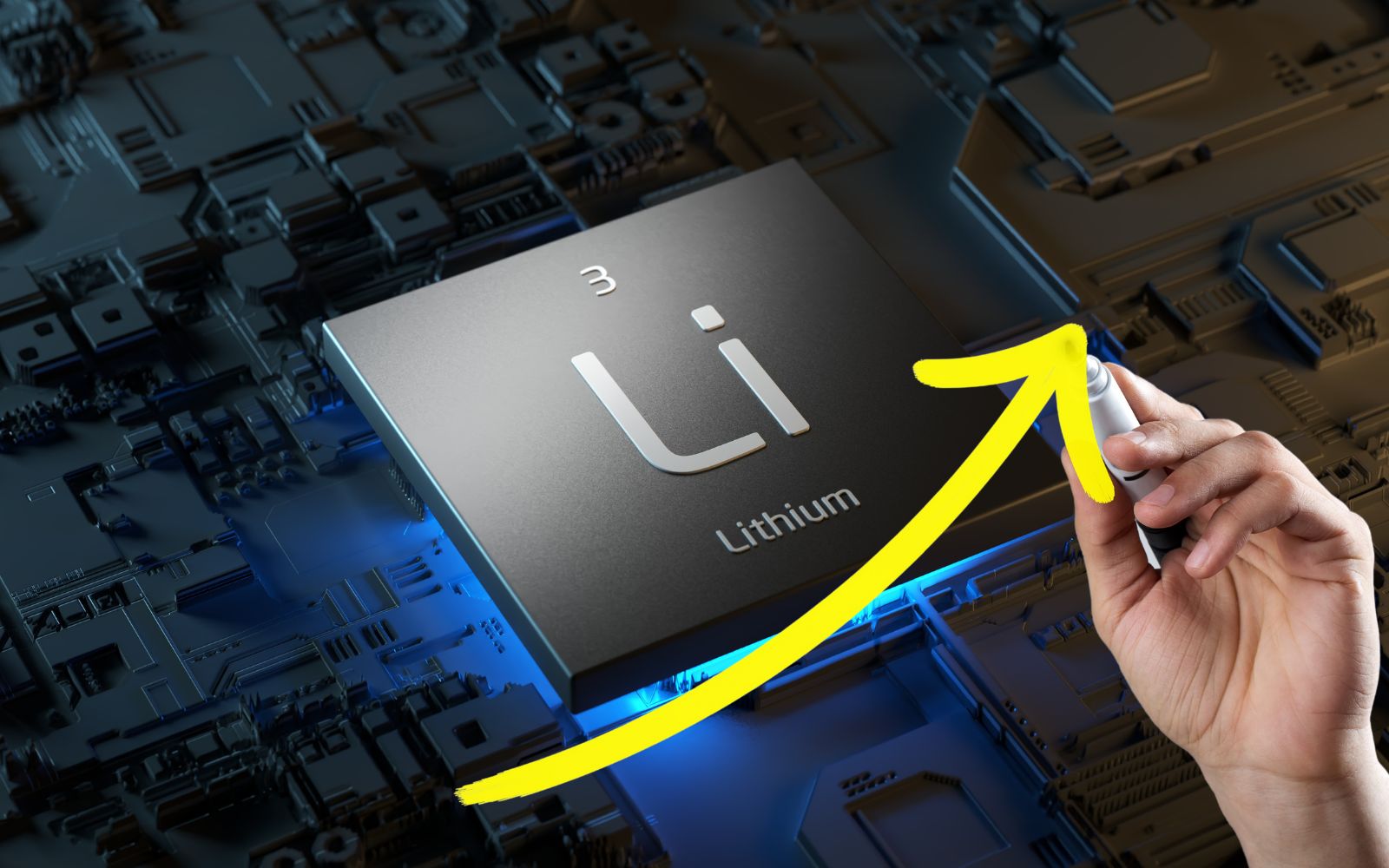
Americans love their sedans, SUVs and pickup trucks. As most cities across the country are sprawling, these vehicles provide a direct way to get people where they want to be. This is particularly true in urban areas where public transportation is old and overcrowded. Therefore, while well designed walking cities would be pleasant, realistically, millions of people across the US won’t have any intention of giving up their vehicles soon. Unfortunately, even with zero-emission battery electric vehicles, there is an environmental impact that can’t be ignored. These batteries are large and require lithium, an expensive rare metal that is environmentally and socially disastrous to mine.
The more EVs are made, the more lithium is required. As a result, many companies, industries and drivers are looking to the potential of hydrogen cars. While they, too, require batteries, they are notably smaller, requiring only a fraction of the lithium.
Therefore, while well designed walking cities would be pleasant, realistically, millions of people across the US won’t have any intention of giving up their vehicles soon. Unfortunately, even with zero-emission battery electric vehicles, there is an environmental impact that can’t be ignored. These batteries are large and require lithium, an expensive rare metal that is environmentally and socially disastrous to mine.
The more EVs are made, the more lithium is required. As a result, many companies, industries and drivers are looking to the potential of hydrogen cars. While they, too, require batteries, they are notably smaller, requiring only a fraction of the lithium.
The IRA could make it much more convenient to own and operate hydrogen cars in the United States.
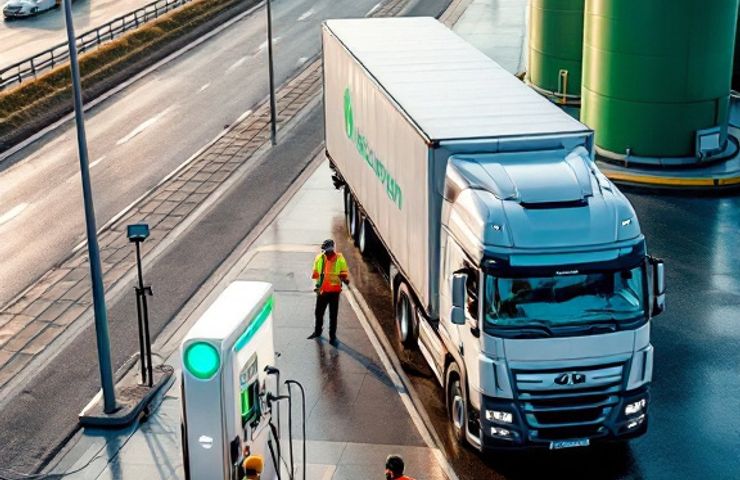
It is not to say that H2-powered vehicles should replace all fossil fuel vehicles and EVs. Instead, what many are seeing is that there is a place for both forms of zero-emission technology, and that they will complement each other on the roads of the near future. The Inflation Reduction Act is funding the development of H2 refueling stations across the country to accommodate the transport trucks that will be relying on them as they decarbonize. With that infrastructure in place, it would require very little to also accommodate the refueling needs of passenger vehicles running on that same fuel.No Perfect Solution
There has yet to be a perfect option developed to provide passenger vehicle transportation that doesn’t have a downside. Still, with a mix of EVs and hydrogen cars on the road, it could help these technologies to reduce each other’s negative impacts. Ready to test your knowledge on the most abundant element in the universe? Take our fun and engaging Hydrogen Quiz now![forminator_quiz id="58712"]How was this article?
Thanks for the feedback!