Hydrogen news
AI emissions - how many of us consider the environmental impact of using ChatGPT?
Ceres Power CTO warns the widespread use of AI tools could lead to significant energy consumption. AI emissions are on the rise due to more and more people using artificial intelligence tools like OpenAI’s ChatGPT. Although most of us don’t give much thought to the impact that using this technology can have on the environment, others like Ceres Power’s Chief Technology Officer Caroline Hargrove warn that as these tools gain wider use for efficiency, the risk of even higher energy consumption grows. Ceres Power is a UK-based developer of clean energy tech, which includes electrolysis to produ…
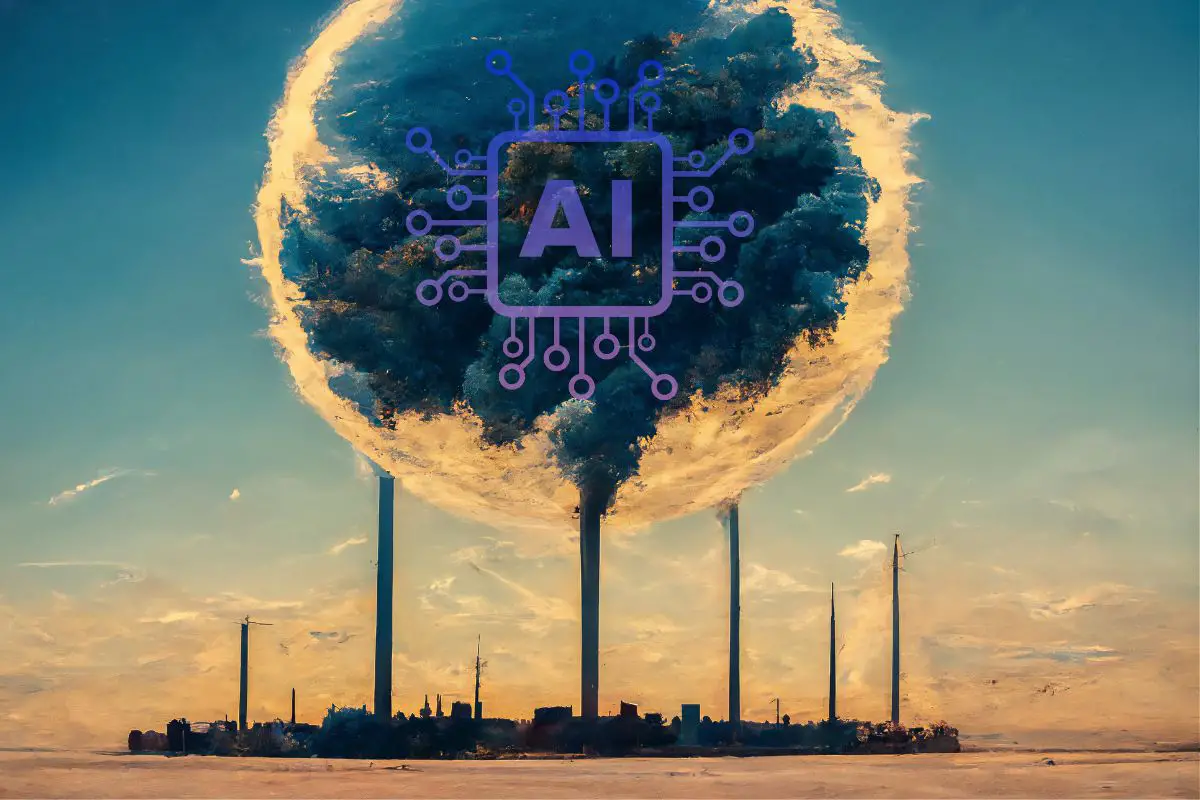
Ceres Power CTO warns the widespread use of AI tools could lead to significant energy consumption.
AI emissions are on the rise due to more and more people using artificial intelligence tools like OpenAI’s ChatGPT. Although most of us don’t give much thought to the impact that using this technology can have on the environment, others like Ceres Power’s Chief Technology Officer Caroline Hargrove warn that as these tools gain wider use for efficiency, the risk of even higher energy consumption grows. Ceres Power is a UK-based developer of clean energy tech, which includes electrolysis to produce green hydrogen and fuel cells for power generation.Hargrove’s concerns are not unfounded.
During a recent “IOT: Powering the Digital Economy” panel focused on the new energy landscape, CNBC reported that Hargrave said what scares her is the energy consumption if people use ChatGPT for basic queries. Based on the findings of an International Energy Agency (IEA) report published at the beginning of the year, her AI emissions concerns may be valid. In the report, the IEA noted that a typical Google search uses 0.3 watt-hours of power on average compared to the 2.9 watt-hours of power that is used for a ChatGPT request. When this tech is incorporated into 9 billion searches every day, the report suggests that almost 10 terawatt-hours of extra electricity would be required annually.Transparency can help track and lower AI emissions.
Hargrove explained that while she is fan of using the tech to optimize everything, it’s better used to reduce consumption. However, instead of lowering power consumption, the opposite effect happens as everyone wants to use the new tool for both practical purposes and for the fun of it.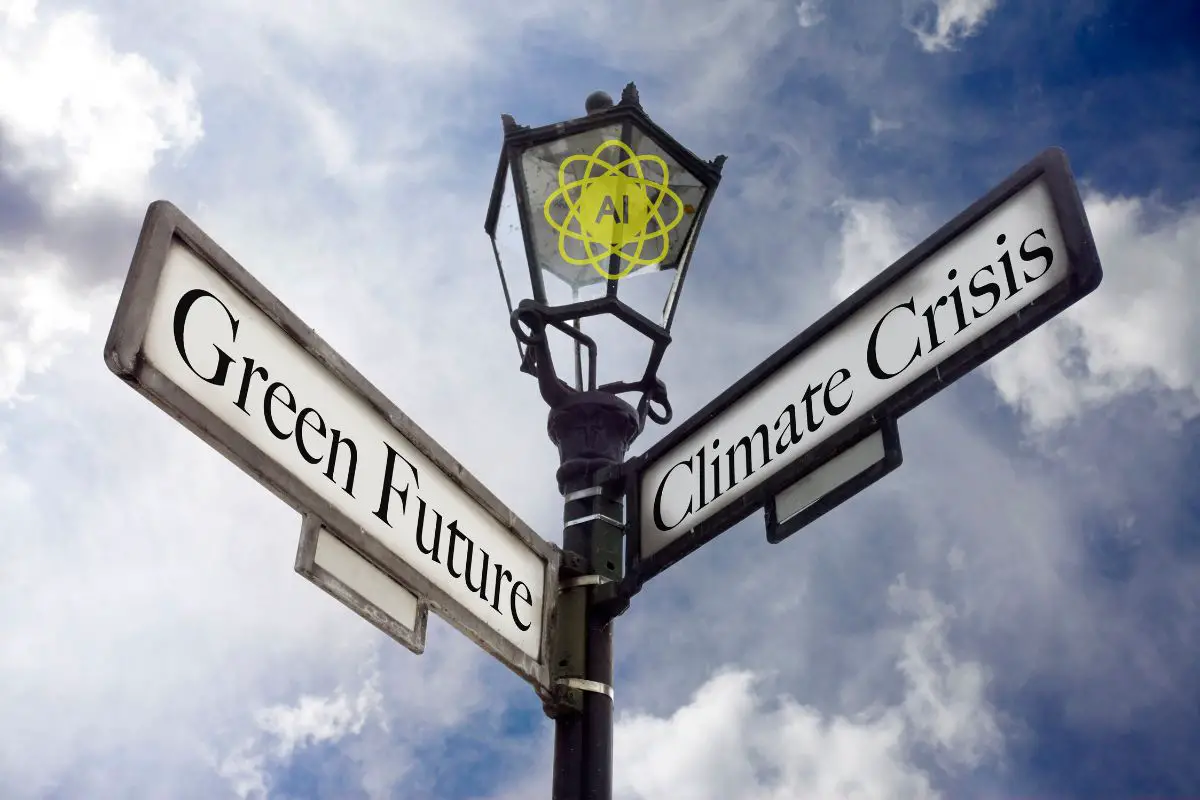 Ultimately, if not properly managed, the worry is that increasing widespread AI use could put a further strain on the climate crisis.
In its story, the CNBC noted that the Climate Action Against Disinformation (CAAD) coalition analyzed the risks that artificial intelligence could pose during the climate crisis. Based on its report’s findings, it is CAAD’s recommendation that regulators make sure technology companies are transparent when reporting the power used and emissions created by their AI products. The coalition also said if companies fail to comply with imposed transparency regulations, governments should enforce penalties.
Ultimately, if not properly managed, the worry is that increasing widespread AI use could put a further strain on the climate crisis.
In its story, the CNBC noted that the Climate Action Against Disinformation (CAAD) coalition analyzed the risks that artificial intelligence could pose during the climate crisis. Based on its report’s findings, it is CAAD’s recommendation that regulators make sure technology companies are transparent when reporting the power used and emissions created by their AI products. The coalition also said if companies fail to comply with imposed transparency regulations, governments should enforce penalties.
Is AI use all bad?
Naturally, the use of artificial intelligence-based tools isn’t likely to reduce any time soon. On the contrary, it and AI emissions are only likely to increase as these tools become smarter and prove to be even more valuable time and money savers. As such, the need for sustainable and closed loop renewable power sources and energy storage is needed to accommodate the growing demand. Still, it’s not all bad news. AI could be used to lower energy consumption to the point that nearly no power is lost if its properly managed, notes founder and chairman of Solar Impulse Foundation, Bertrand Piccard. According to Piccard, smart power grids that implement AI tech integrate intermittent green power “…with storage, with the distribution, with the consumption which means that almost no energy will be lost.” Ready to test your knowledge on the most abundant element in the universe? Take our fun and engaging Hydrogen Quiz now! [forminator_quiz id="58712"]How was this article?
Thanks for the feedback!