Zhangjiagang’s Hydrogen Breakthrough: Fuel Cell Vehicles and Refueling Infrastructure Power Low-Carbon Transport Shift
Zhangjiagang has emerged as a hydrogen powerhouse, deploying over 220 fuel cell vehicles, building five refueling stations, and scaling industrial output to 10B yuan—cutting 10,000+ tons of CO₂ since 2018.
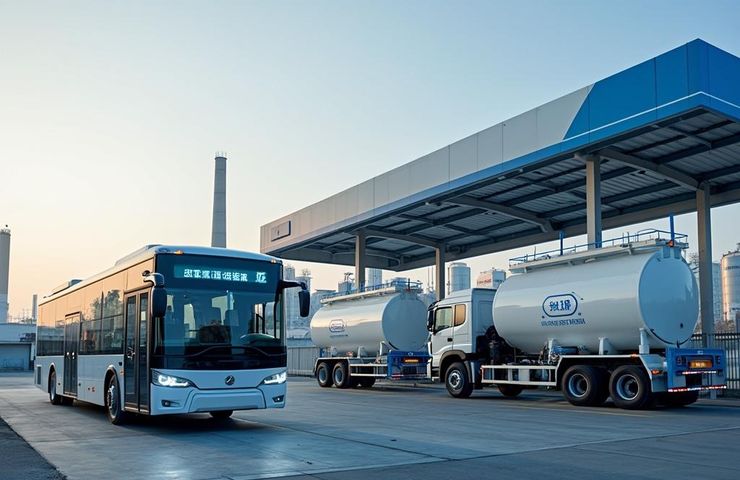
Zhangjiagang, a small but mighty port city tucked away in Jiangsu Province’s industrial heartland, is rewriting the playbook for clean transportation in China—one hydrogen molecule at a time.
Public Transport, Fueled by Hydrogen
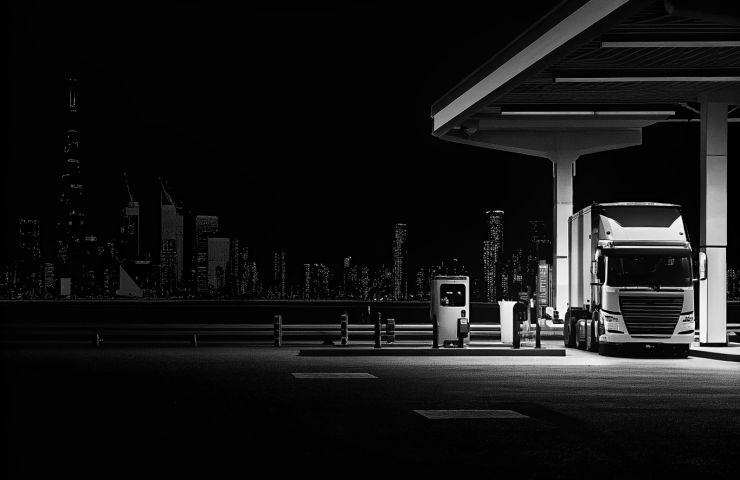
By mid-2025, Zhangjiagang had rolled out over 220 hydrogen-powered vehicles—everything from city buses and port tractors to even hydrogen bicycles. Backed by five dedicated hydrogen refueling stations scattered around the city, this green fleet marks a full-on pivot away from fossil fuels. The payoff? More than 10,000 metric tons of CO₂ emissions cut since the city kicked off its hydrogen program back in 2018.
This city of 1.3 million may not be a mega-metropolis, but it’s punching well above its weight. Its secret sauce? A tightly managed action plan dubbed the “hydrogen task list,” keeping tabs on everything from rollout timelines to infrastructure alignment. It’s a masterclass in syncing up policy, innovation, and boots-on-the-ground execution.
From Industrial Waste to Clean Energy
Zhangjiagang’s hydrogen journey didn’t happen by chance. The city got a head start by turning byproducts from its chemical and steel industries into a valuable hydrogen feedstock. This smart reuse helped lay the foundation for one of China’s first hydrogen industrial clusters, long before national policymakers fully jumped on the decarbonization bandwagon.
Since 2018, the city's hydrogen sector has exploded—from just a handful of pioneers to a thriving ecosystem of over 40 hydrogen-focused companies. Industrial output? It skyrocketed from a modest 500 million yuan in 2017 to over 10 billion yuan by 2025.
Government Backing: Powering the Hydrogen Shift
Of course, none of this would’ve taken off without some serious local government backing. From the get-go, the Zhangjiagang Municipal Government pushed a now-iconic “five-in-one” development model. That means: strategic capital investments, R&D perks, smart regulation, financing access, and top-tier talent recruitment. They’re not just dreaming big—they’ve got a detailed three-year action plan that’ll carry this momentum straight through 2026, matched by local manufacturing growth that’s not slowing down anytime soon.
Homegrown Tech Taking the Lead
One of the biggest wins? Technology independence. Leading the charge is Jiangsu Guofu Hydrogen Energy Equipment Co Ltd. Since its founding in 2016, Guofu has built a full-scale production line that covers the entire hydrogen equipment value chain—storage tanks, refueling stations, onboard vehicle modules, you name it. Even better? They developed China’s first civilian-grade hydrogen liquefier, breaking away from long-standing foreign control over that tech.
Guofu became the first end-to-end hydrogen equipment firm listed on the Hong Kong Stock Exchange, and it’s now shipping globally while forming international joint ventures to spread their tech even further.
Tag-teaming with Guofu is Huachang Energy Technology Co, a spinoff from a regional chemical giant. They're powering up the next generation of hydrogen fuel cell engines—perfect for heavy-duty haulers. Since 2019, they’ve launched hydrogen trucks, built out production lines with a goal of hitting 10,000 fuel cell stacks per year, and started piloting renewable-energy-linked hydrogen microgrids.
Tech That Delivers: Fast Fills and Long Ranges
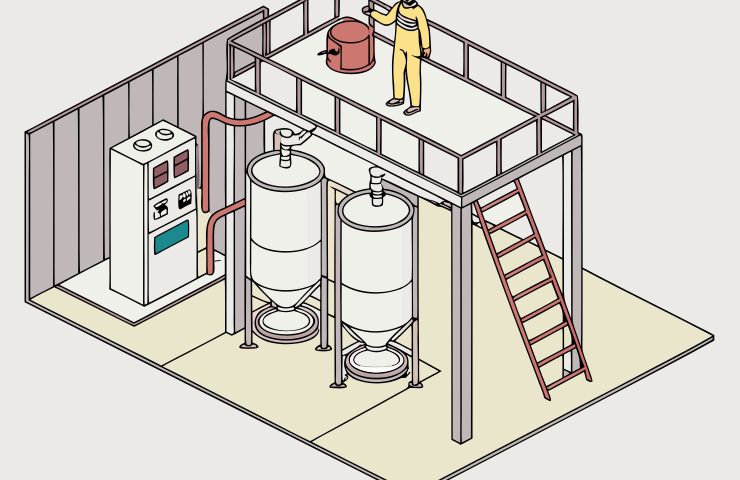
For drivers, Zhangjiagang’s hydrogen setup is crazy convenient. Refueling takes less than 20 minutes, and hydrogen fuel cell vehicles (FCEVs) can travel up to 500 kilometers on a single tank. Meanwhile, Guofu’s hydrogen liquefiers efficiently chill the gas down to −253°C, making it easier to store, move, and even export—boosting both energy density and the city’s sustainable energy credibility.
Cleaner Air, Stronger Economy
Beyond cleaning up the atmosphere, this hydrogen movement is creating jobs, boosting exports, and reviving Zhangjiagang’s aging steel and chemical industries with futuristic upgrades. By weaving fuel cell technology into port operations and public services, the city’s not only cutting emissions—it’s becoming a model for hydrogen infrastructure innovation that other industrial regions can follow.
Part of the Larger Puzzle
Zhangjiagang’s efforts tie directly into Jiangsu Province’s hydrogen corridor strategy, acting as a key node in a regional green energy web that spans the Yangtze River Delta. While infrastructure and output are impressive on their own, what really sets the city apart is how fast it’s moved from ambition to action—it’s a second-tier city turning into a national clean transport leader faster than anyone expected.
And the city isn’t stopping there. With new pilot projects linking hydrogen with aviation and other cross-sector renewables, Zhangjiagang’s roadmap might just become China's new blueprint for sustainable energy—and maybe even go global.
On the Horizon
Next up? Expanding hybrid energy hubs, scaling up vehicle fleets, and rolling out advanced hydrogen technologies—including aviation-grade fuel cells. Zhangjiagang’s not just building a greener city. It’s overhauling its entire economy, turning hydrogen into a full-circle growth engine for the future.