Repsol Secures €183M for Renewable Electrolysers, Boosting Spain’s Hydrogen Infrastructure
Repsol secures €183 million in production-linked premiums for its ATLAS and Puertollano electrolyser projects after Iberdrola’s withdrawal, bolstering Spain’s hydrogen infrastructure and decarbonization drive.
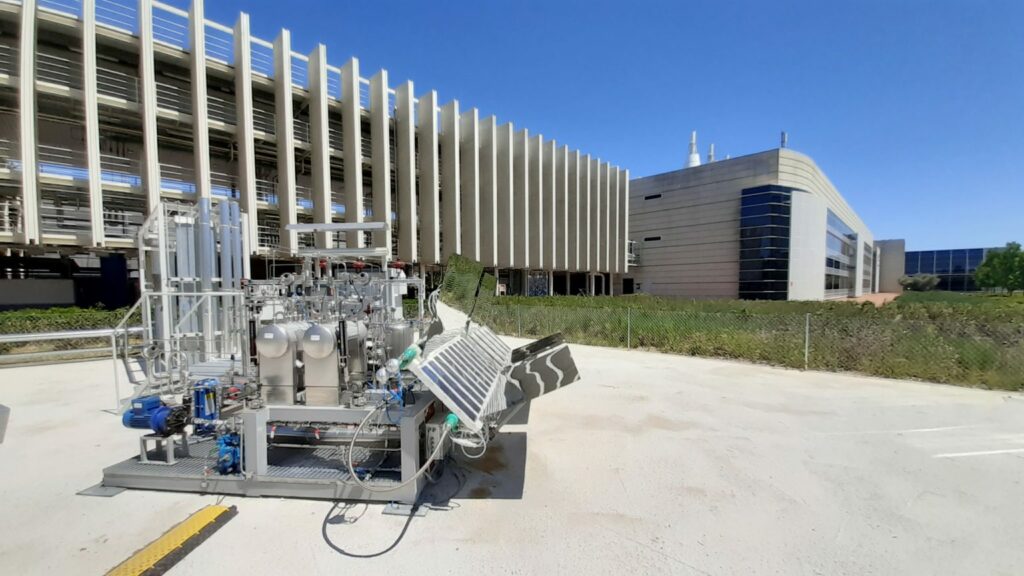
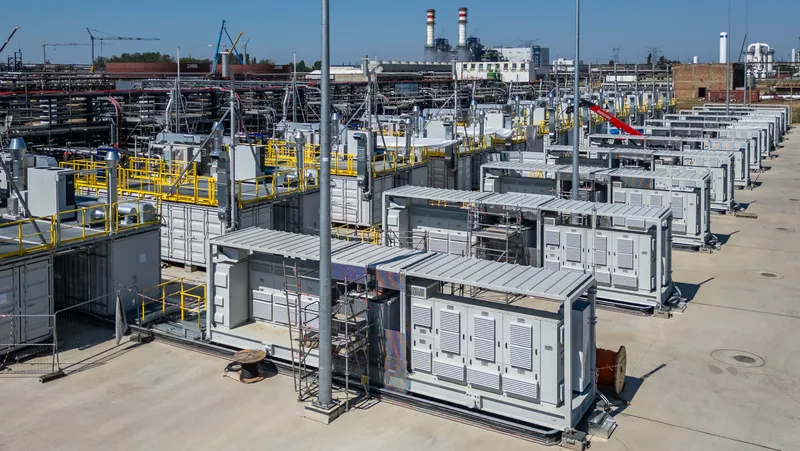
So, what happens when a big player in renewable energy decides to shake things up a bit? Well, in Spain's buzzing hydrogen energy news scene, Repsol S.A. just snagged a hefty €183 million in production-linked subsidies, all thanks to a bit of serendipity in the national funding game. They’ve moved forward with two of their projects—the 50 MW ATLAS PEM electrolyser at the A Coruña refinery and a 12.27 MW electrolyser for the Puertollano Hydrogen Network—now going from being on the back burner to fully funded, marking an exciting chapter in clean hydrogen news and hydrogen project financing.
A Budget Shift That’s Sparked New Energy
Earlier this summer, Iberdrola S.A. took a step back and pulled their Noon II and Odin bids from Spain’s second round of “Auction as a Service” (AaaS), related to the European Hydrogen Bank. This move opened up some budget room managed by IDAE (Instituto para la Diversificación y Ahorro de la Energía), allowing Repsol's reserve projects to get their time in the spotlight. In no time, IDAE provisionally granted a whopping €133.4 million to the ATLAS project and nearly €49.8 million for the Puertollano installation. Instead of traditional capital grants, they’re now doling out premiums of €2.20 to €2.25 per kilogram of green hydrogen production over a ten-year span, contingent on verified output. It’s a real game-changer!
This isn’t the typical fixed-capital support we’ve seen before. Instead, it’s a performance-driven deal, encouraging ongoing operation and tying public funding to real hydrogen production results rather than just celebrating construction milestones.
Decarbonizing Refineries with Renewable Hydrogen
At the coast in Arteixo, Galicia, Repsol's ATLAS project is gearing up to integrate a 50 MW PEM electrolyser with its refinery. They’re set to harness wind, hydro, and grid power to swap out the fossil-based grey hydrogen used in their desulfurization processes. This could lead to a significant decrease in CO₂ emissions from the refining operations. Over in Castilla-La Mancha, the Puertollano Hydrogen Network electrolyser, linked to Repsol’s complex via a ten-kilometer hydroduct, will convert solar and grid sources into renewable hydrogen, giving a fresh start to a town known for its coal and petrochemical history.
The Puertollano area has already seen some prior support rolling in through PERTE ERHA, with two 30 MW electrolyser projects receiving €25 million earlier on. This region is now looking forward to a whole new era as it develops a robust hydrogen cluster.
Bringing Together Policy, Business, and Tech
These initiatives really showcase how EU strategies blend with national policies as part of Spain’s Recovery, Transformation, and Resilience Plan. The AaaS auctions, under Royal Decree 535/2025 (and later changes through 149/2026), allow NextGenerationEU funds to flow through IDAE, all while aiming to mobilize over €1.5 billion in public support and nearly €3 billion in private capital for renewable hydrogen and storage. Applications are vying for these production-linked premiums to help close the gap between current industrial hydrogen costs—sometimes dipping below €1/kg—and the pricier journey of obtaining truly renewable H₂.
This whole premium model sparks a broader discussion: while generous state aid can kickstart hydrogen infrastructure, it’s vital to avoid creating uneven playing fields in the market. There’s quite a difference between the nearly €2.25/kg aid and the clearing prices of €0.20 to €0.60/kg seen recently in European Hydrogen Bank auctions, highlighting the ongoing discrepancy between green hydrogen economics and the market realities.
Repsol’s Ambitious Hydrogen Roadmap
Repsol has been diligently building a diverse portfolio of electrolyser projects. This year, they welcomed a 2.5 MW unit at the Petronor refinery in the Basque Country that’s already cranking out renewable hydrogen. They’re also pushing ahead with bigger plants recognized by IPCEI: a 100 MW facility in Cartagena, a 150 MW setup in Tarragona under the T-HYNET project, plus plans for similar-scale ventures in Bilbao and beyond. Both the ATLAS and Puertollano projects started out as reserve entries in the EU Innovation Fund’s IF25 call before nabbing that AaaS support.
These subsidies not only help reduce capital risks for Repsol but also bolster their foothold in the emerging hydrogen valleys—from the Basque Corridor to Catalonia, Murcia, and the Puertollano area.
Transforming Regions and Impacting Industries
In A Coruña, a city traditionally focused on port logistics and services, the ATLAS project acts as a bridge from petrochemical reliance to sustainable energy, creating local jobs in engineering and operations. Galicia’s old thermal sites, like the Meirama coal plant, are getting second chances under Just Transition plans. Meanwhile, Puertollano is seeing its coal-mining roots evolve into a new future powered by low-carbon hydrogen, where Repsol’s refinery prepares to pivot to renewables.
These changes align perfectly with Spain’s broader goals for decarbonization and echo the EU's ambitions to overhaul heavy industries through innovative hydrogen infrastructure and storage solutions. The success of these ventures hinges on securing needed environmental permits, making final investment calls, and ramping up grid or renewable capacities.
Igniting Market Dynamics
By shifting the budget on the fly, Spanish authorities are proving that national hydrogen infrastructure auctions can pivot quickly when major players adapt their strategies. This nimbleness could set a precedent for upcoming rounds, where shorter application windows allow reserve lists to come into play. For sponsors, it’s pretty clear: staying on a reserve list can pay off if the big names reassess their plans.
At the same time, employing production-linked premiums signals a broader industry shift towards establishing structured clean hydrogen offtake agreements and risk-sharing frameworks. Potential buyers—be it steelmakers, chemical plants, or mobility fleets—might find an added layer of security knowing that their suppliers are backed by multi-year subsidies, which could ease financing for larger projects beyond just refining. Even though ATLAS and Puertollano focus on industrial feedstock, lower costs and enhanced hydrogen production methods could also speed up the growth of hydrogen refueling stations for vehicles, thereby expanding the market for hydrogen cars.
The insights gained from ATLAS and Puertollano will help shape future hydrogen hubs, exploring opportunities for hydrogen storage and blending it with natural gas. Plus, early integration with existing pipeline structures highlights the importance of current assets—like the hydroduct in Puertollano—as affordable pathways for low-carbon hydrogen.
Europe’s Ambitious Green Hydrogen Goals
This latest chapter in Spain’s hydrogen landscape mirrors a larger European drive to clean up tough-to-decarbonize sectors. With the European Hydrogen Bank set to allocate €3 billion in subsidies by the end of the decade, Spain’s AaaS tests—alongside IPCEI and Innovation Fund commitments—showcase how national and EU resources can work together to hit targets for gigawatt-scale electrolyser capacities. It’ll be exciting to see if public funding can genuinely bridge the cost gap, setting the stage for more competitive auctions in the future.
On the Horizon
The next steps for ATLAS and Puertollano include wrapping up some formalities like grant acceptance, environmental green lights, and final investment decisions—steps where conditional budgets might get reclaimed if things don’t stick to the timeline. If Repsol moves forward, Spain will boost its hydrogen network by adding over 62 MW of operational electrolyser capacity. Each megawatt will feed valuable lessons back into reducing costs, optimizing PEM stacks, and integrating with solar and wind assets.
Additionally, these projects will put the effectiveness of performance-linked subsidies to the test as a long-term strategy for industrial decarbonization. If those premiums end up being too far out of line with market clearing prices, we might see future auctions adjusting their structures or focusing on different areas, like smaller-scale hydrogen production methods or innovative hydrogen storage methods. But one thing's for sure: the smart realignment of state aid—triggered by a leading utility's withdrawal—has reshaped Spain’s hydrogen landscape. For Repsol, it marks a bold transition from oil and gas to clean energy. For Spain, it's a reinforcement of the intertwined nature of policy, finance, and technology needed to build a zero-emission industry. And for the broader hydrogen ecosystem, it serves as a live demonstration of how flexible funding and resilient players can bring about meaningful progress.