Renewable Hydrogen Production: Messer Takes Stake in Lhyfe’s Green Hydrogen Sites Under 10-Year Supply Agreement
Lhyfe and Messer combine a 30% equity stake and a 10-year hydrogen supply agreement to secure bankable, RFNBO-certified renewable hydrogen volumes from four French and German electrolysis sites.
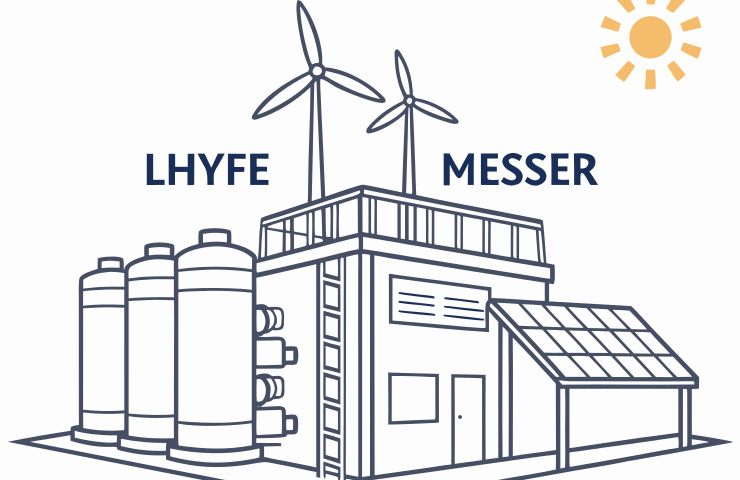
This month, French electrolysis expert Lhyfe teamed up with German industrial gas powerhouse Messer to announce an exciting partnership that pairs equity investment with a long-term supply agreement for renewable hydrogen—a big step forward for both France and Germany. By blending a 30% stake in four production sites with a 10-year supply deal kicking off in 2026, they're aiming to make financing easier, secure stable volumes, and really push those decarbonization efforts in the industrial sector.
Core Deal Overview
So, what’s the deal? Well, Messer is set to snag a 30% equity stake in four of Lhyfe’s facilities—three in France and one in Germany—and at the same time, they're entering a binding contract to supply renewable hydrogen for a whole decade. Messer plans to buy about half of what comes out of the French plants, with some impressive minimum volumes expected to ramp up to several hundred tonnes annually. Importantly, Lhyfe will still be in the driver’s seat, keeping majority ownership and managing daily operations. They're just waiting on lender approval, which should come through in the next few months.
Technical Structure and Asset Details
The four production sites utilize water electrolysis powered by renewable energy to produce green hydrogen. While they haven't spilled the beans on the specific electrolyzer types or capacity, the deal guarantees all hydrogen produced will have RFNBO certification under EU regulations. This means that the hydrogen is traceable to renewable sources and meets key lifecycle emissions standards—pretty crucial for customers focused on industrial decarbonization and keeping up with changing regulations.
How Electrolysis and RFNBO Certification Work
To give you a quick rundown—electrolyzers do their thing by splitting water into hydrogen and oxygen when electricity flows through. When that electricity comes from renewable sources like wind, solar, or hydropower, you end up with what’s called renewable hydrogen. The RFNBO certification is like a stamp of approval, confirming that the electrolyzer is powered by renewable energy and complies with EU sustainability requirements. For industrial players like Messer, this ensures traceability and helps their customers meet green initiatives and carbon reduction goals.
Strategic Impact and Project Financing
This innovative structure tackles two major challenges in hydrogen project financing: ensuring revenue predictability and meeting capital demands. With that 10-year offtake contract, Lhyfe secures a steady revenue stream—which definitely makes them look more appealing to banks and investors by reducing risks related to price volatility and demand shifts. Plus, Messer’s investment bolsters Lhyfe’s financial health, providing crucial capital without forcing them to give up operational control. This kind of mixed model—merging offtake deals with equity investments—is becoming the gold standard for rolling out hydrogen initiatives on a larger scale.
Market Context and Maturing Sector Dynamics
Europe’s hydrogen scene has come a long way, shifting from pilot projects funded by grants to solid, bankable assets. In the early days, many developers relied on just a few projects, hoping that demand would catch up eventually. Now, we’re seeing industrial gas companies like Messer evolve from mere buyers to strategic partners, leveraging their logistics and customer networks. Analysts believe that these long-term offtake agreements help safeguard credit ratings and cut financing costs, making projects much more attractive for lenders and investors in the current market.
Policy, Certification, and Industrial Demand
On the policy front, the EU is increasingly backing certified renewable hydrogen in sectors where decarbonization can’t just happen through electrification—think steel, chemicals, refining, and heavy industry. Those RFNBO-certified hydrogen volumes open the door to incentives and compliance paths, which is huge. By nailing down a decade’s worth of supply, Messer is positioning itself to offer low-carbon gases to its industrial clientele, all while staying in line with ongoing regulatory requirements that favor renewable energy sources.
Company Backgrounds and Regional Footprint
Lhyfe—based in France—is known for being a trailblazer in the green hydrogen space, running multiple small- to mid-scale electrolysis plants. They focus on gradual growth, managing risks, and forming long-term partnerships for offtake. On the other hand, Messer is Germany’s largest privately owned specialist in industrial gases, boasting decades of experience in gas safety, distribution, and logistics. This partnership is stitching together a robust European footprint, reinforcing the supply chains industrial customers are increasingly craving.
Parallel Industry Trends
You’ll find that similar hybrid models are popping up across Europe, with utilities and industrial gas giants investing minority stakes in electrolyzer projects to lock in supply and mitigate risks. These partnerships often bring together renewable power producers with offtakers in fields like ammonia production or refining. It’s part of a larger trend where projects aren’t only evaluated based on electrolyzer capacity; they’re now also looking at contracted volumes, investor commitments, and certified emissions profiles.
Implications and Long-Term Outlook
By combining equity and offtake in a single deal, Lhyfe and Messer are setting a strong example for how renewable hydrogen production can adapt to meet industrial demand. This approach reduces the risks associated with early-stage assets, making them more tempting for financiers and businesses that are serious about hitting their decarbonization targets. Although the finer details about the sites and the deal’s value are still under wraps, the overall setup indicates that capital markets and policy frameworks are finally catching up to embrace hydrogen as a key resource for industry. As production ramps up, folks will be keenly observing how pricing, certification, and logistics evolve across borders.
Looking Ahead
While the deal still needs lender approval before it officially closes, once it's finalized, it will pave the way for hydrogen delivery starting in 2026. For Lhyfe, this deal adds clarity to their cash flow and boosts their credibility for future projects. For Messer, it secures a steady supply of RFNBO-certified renewable hydrogen to meet growing customer demands for low-carbon options. Together, they’re showcasing a smart, scalable route to industrial decarbonization through investments in clean hydrogen and long-term supply commitments.