Renewable Hydrogen in Southeast Asia: Transition Fuel or Costly Detour?
Southeast Asian nations consider renewable hydrogen and ammonia co-firing to cut emissions, but experts warn co-firing is costly and limited. Prioritizing direct renewables and grid upgrades offers greater benefits.
Heads up: renewable hydrogen is suddenly the hottest topic among policymakers in Southeast Asia. From the frenzied grids of Viet Nam to Indonesia’s coal-fired behemoths and Thailand’s trusty gas turbines, governments are eyeing hydrogen—and its buddy ammonia—as a quick ticket to curb CO2 without benching their old power plants. But before everybody jumps on the bandwagon, let’s be clear: the real game-changer isn’t just routine hydrogen co-firing. It’s smart, targeted hydrogen use baked into a massive push for direct renewables and upgraded grid infrastructure.
Historical Context
Southeast Asia, home to roughly 680 million people, has been riding the coal, oil and gas wave for decades. Cities are swelling, factories are churning out goods, and power demand keeps shooting up. On top of that, worries over climate pledges, choking air pollution and the unpredictability of importing fossil fuels have governments scrambling for cleaner options. Over the past ten years, strategies have mostly relied on tweaking existing plants, pitching hydrogen co-firing and ammonia co-firing as a bridge rather than ripping out coal boilers cold turkey.
The Promise of Renewable Hydrogen
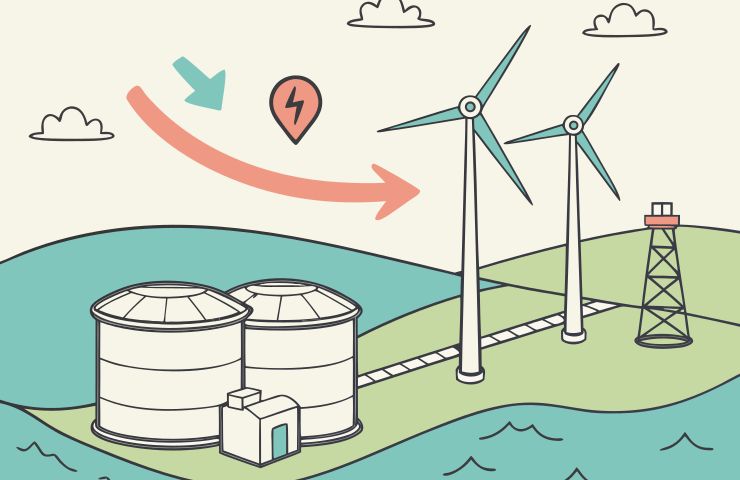
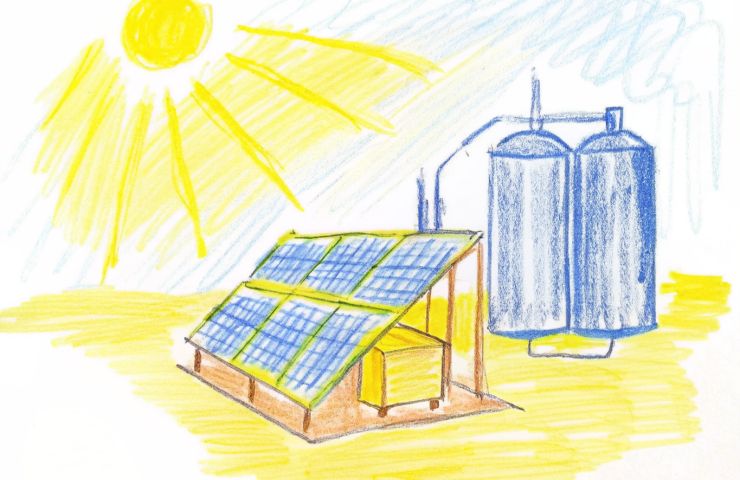
Here’s where it gets interesting: produce hydrogen with electrolyzers powered by wind, solar or hydro, and suddenly you’ve got a way to store energy seasonally and handle those dreaded peak-demand spikes. A joint brief by NewClimate Institute and Agora Energiewende even points out that renewable hydrogen shines in niche roles—think backup peaker plants or evening out grid ups and downs—rather than running 24/7. It’s a practical fix for the intermittency headache that comes with solar and wind, and you don’t need to fire up a bunch of new gas turbines.
Hydrogen & Ammonia Co-Firing: The Real Kicker
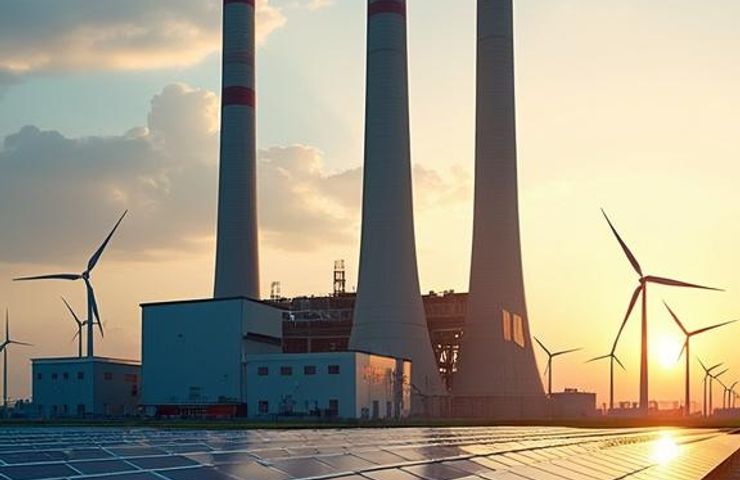
On paper, tossing ammonia into a coal furnace or blending hydrogen with methane in gas turbines sounds like a clever retrofit. You inject a dose of low-carbon fuel, displace fossil fuel and watch CO2 numbers dip. But in reality, policy gurus warn that routine hydrogen co-firing has a steep price tag and only trims emissions modestly for every dollar spent. Worse, leaning too hard on these retrofits might keep thermal plants humming for decades, locking in a carbon-heavy future and padding power bills.
Collateral Impacts & Economic Trade-Offs
Money talks, and if funds flow into expensive hydrogen or ammonia plants, that’s cash not going to solar farms, wind arrays or vital grid infrastructure. In practice, consumers and governments end up covering the cost of pricey hydrogen production and ammonia synthesis. And here’s the kicker: if hydrogen uptake fizzles, those retrofits risk becoming stranded assets—underused and underperforming. By contrast, investing in renewables can spark green-tech job growth, boost local manufacturing of turbines and panels, and draw in international clean-energy money.
Prioritizing Renewables & Grid Upgrades
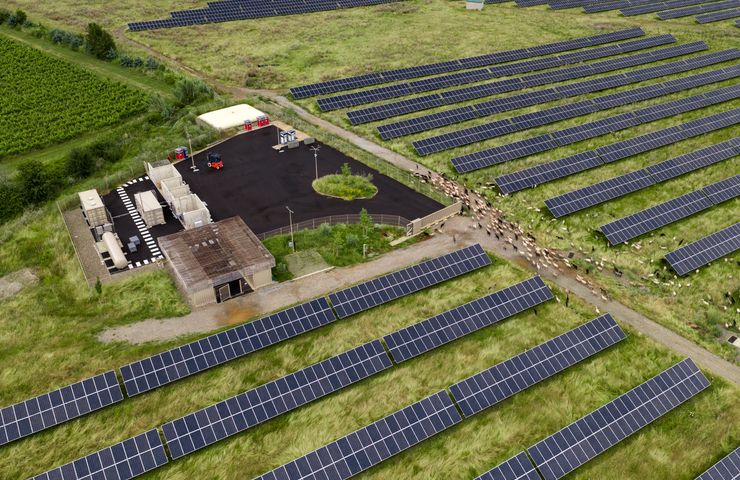
Here’s where the rubber meets the road: countries like Viet Nam, Indonesia and Thailand stand to gain the most by putting direct renewables front and center. Huge wind and solar installations, paired with smarter transmission and distribution networks—upgrades to the grid infrastructure—cut emissions way more per dollar than co-firing shortcuts. And when you add tools like battery storage and demand-response systems, you get a flexible, resilient grid that lets renewable hydrogen step in only where it makes real sense.
Policy Pathways & International Collaboration
It’s time for a clear playbook. Southeast Asian governments need roadmaps that reserve hydrogen for seasonal balancing and peak shaving, while directing the bulk of subsidies toward renewables and grid modernization. International partners from Japan, South Korea and the EU can chip in with financing, tech know-how and pilot project support. Cross-border hydrogen corridors and ammonia shipping routes are exciting talks—but they’ll only fly if built on a solid foundation of homegrown renewable capacity. These steps don’t just support hydrogen and ammonia shipping—they’ll power the region’s broader energy transition.
Bottom Line…A Strategic Energy Future
Bottom line? Renewable hydrogen definitely has its role in the regional energy transition, just not as a catch-all for coal. The secret sauce is scaling up solar, wind and grid infrastructure first, then slotting hydrogen where it delivers the biggest bang for your buck. By steering clear of routine ammonia co-firing and doubling down on direct renewables, ASEAN nations can slash emissions faster, spark new industries and win a competitive edge in the global green-tech race. That’s smart prioritization—and it’s a future worth chasing.