Record-Breaking Natural Hydrogen Discovery in the Pyrenees Puts Mantle8 on the Map
Mantle8 discovers record-setting natural hydrogen concentrations in France's Pyrenees, reviving hopes for geologic hydrogen as a clean, cost-effective energy source.
High-Stakes Hydrogen: A Discovery Deep Beneath the Pyrenees
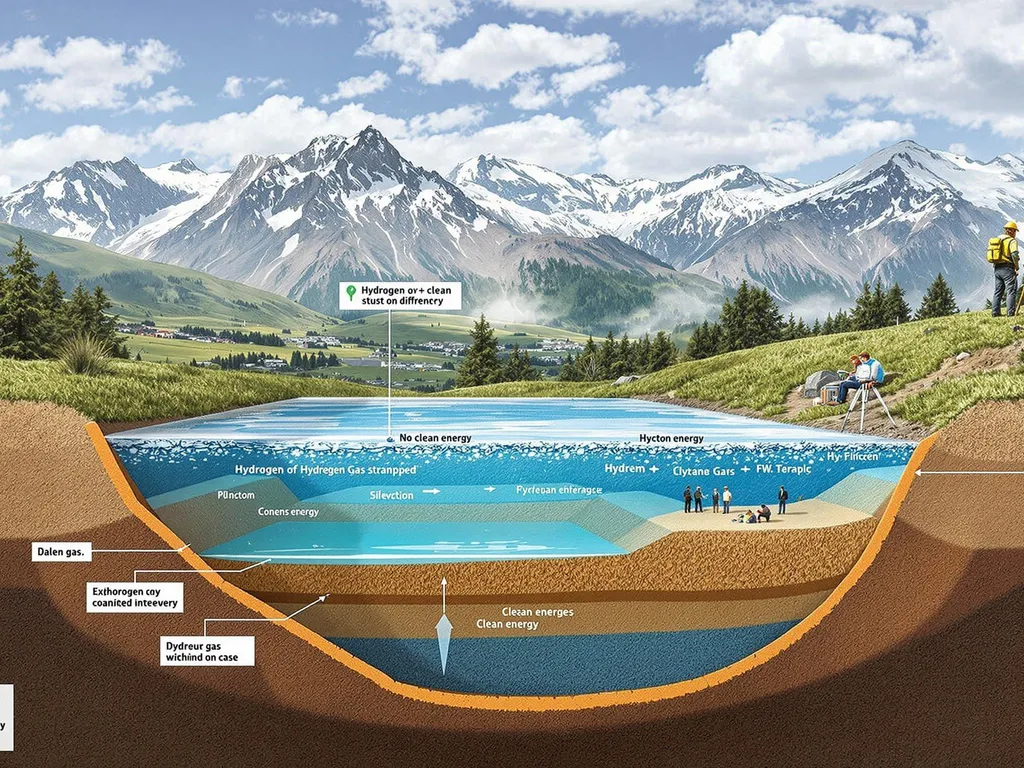
Something big just bubbled up from deep below the surface — and we're not talking about oil or gas this time. Dutch exploration firm Mantle8 has uncovered what could be the highest concentration of natural hydrogen ever recorded, tucked away under the Pyrenees mountains in France. This isn't just a fascinating scientific find — it might be a real game-changer for hydrogen production and the way we think about energy.
A Clean Energy Reservoir Below Our Feet?
Here’s why this matters: Unlike the hydrogen we typically produce in factories, natural hydrogen — also known as geologic hydrogen or "white hydrogen" — forms naturally underground. It's starting to get serious attention as a cleaner, potentially cheaper alternative to current methods like SMR (Steam Methane Reforming) and electrolysis. Those traditional routes still come with high energy demands and, in many cases, significant carbon emissions unless they’re 100% powered by renewables.
But if we can safely tap into geologic hydrogen, we may have a ready-made, low-emission fuel source sitting quietly beneath our feet — no smokestacks or solar panels required. That’s huge when you consider how much the world is pushing for sustainable energy solutions that are both scalable and eco-friendly.
Mantle8’s Moment: Turning Data Into Possibility
Mantle8, based in France, has carved out a niche in the hunt for hidden hydrogen using cutting-edge geophysical imaging and geochemical analysis. For the Pyrenees find, the team mapped gravity shifts, ran seismic surveys, and took underground gas samples — all to build a detailed picture of what’s happening miles below.
The result? Record-breaking hydrogen concentrations. Numbers like that aren’t just interesting — they have the potential to spark a whole new wave of exploration across Europe and beyond.
The Pyrenees: An Unexpected Hydrogen Hotspot
Turns out, the Pyrenees are more than just a scenic backdrop for hikers and skiers. Geologically, it’s a zone where the Iberian and Eurasian plates push against each other — and all that tectonic activity seems to have created the perfect pressure-cooker for generating and capturing natural hydrogen.
Historically known for mining and agriculture, this rugged mountain range might now find itself at the heart of a new energy boom — one that could fuel jobs, power local economies, and reshape the conversation around Europe’s energy future.
Why This Discovery Isn’t Just a Blip
Let’s be real — there’s no shortage of headlines about the next big green technology. But this isn't just another pilot site or laboratory promise. We’re talking hard geological data: proof that the Earth itself might be producing usable hydrogen, naturally.
This flips the current model of hydrogen production on its head. Traditional "green" hydrogen needs renewable electricity and large amounts of purified water — both of which come with their own limitations. But geologic hydrogen? It could be an entirely new playbook — one that doesn’t rely so heavily on strained energy or water infrastructures.
Still, it’s early days. How viable this discovery is — commercially and environmentally — will depend on further exploration, smarter extraction technology, and working closely with regulators and local communities.
Zooming In: How They Found It
This isn’t a shot in the dark. To pinpoint the find, Mantle8 used tried-and-true tools of the trade — reflection seismology, gravity scanning, and a deep dive into underground gas chemistry. This allowed them to map out where the hydrogen is coming from and how much there might be.
Hydrogen can form underground through natural processes like water interacting with certain rocks or from the radioactive decay of elements deep in the crust. These methods help scientists figure out exactly what’s happening — and where it makes sense to drill next.
Industry Implications: Why This Could Be a Big Deal
This is more than a regional story. Similar natural hydrogen finds are cropping up elsewhere — think Mali, Australia, and Canada — and they’re stirring up a lot of interest (and funding). What’s happening in the Pyrenees could give Europe a major head start in building a homegrown, sustainable energy source.
For France and Spain particularly, this could ease reliance on imported hydrogen, help build a truly regional market, and play a serious role in Europe’s energy independence — all while staying in line with bold climate goals.
Environmental and Economic Crossover
If done right, tapping into geologic hydrogen could unlock an ultra-low-emission fuel that actually makes economic sense. It especially stands out for industries that are tough to electrify — like steel, cement, and ammonia. These sectors are some of the trickiest to clean up when it comes to industrial decarbonization.
Plus, this could be a much-needed shot in the arm for rural and mountainous areas, creating brand-new career paths — from field techs to hydrogen engineers — and reinvigorating local economies that have long struggled to diversify.
What’s Next?
So what’s around the corner? Mantle8 plans to dig deeper — both figuratively and literally. More sampling, more tests, maybe even the first exploratory wells. Of course, this all depends on collaboration between scientists, companies, local governments, and regulators who will need to roll up their sleeves and work together.
We’re still a few steps away from full-scale hydrogen production straight from underground sources. But this discovery adds serious momentum. The Pyrenees might now be more than a stunning landscape — they could be a keystone in unlocking the next wave of sustainable energy solutions.
And who knows — maybe, just maybe, the planet’s been quietly stocking the clean fuel of tomorrow all along. It's up to us to figure out how to tap into it wisely.