News
Turquoise Hydrogen Powers the Future: Jilin Province Pioneers Integrated Energy Systems
A new hydrogen breakthrough in Jilin Province combines green and turquoise hydrogen to optimize next-gen energy systems—cleaner, cheaper, and smarter.
Jilin Province Steps Into the Spotlight
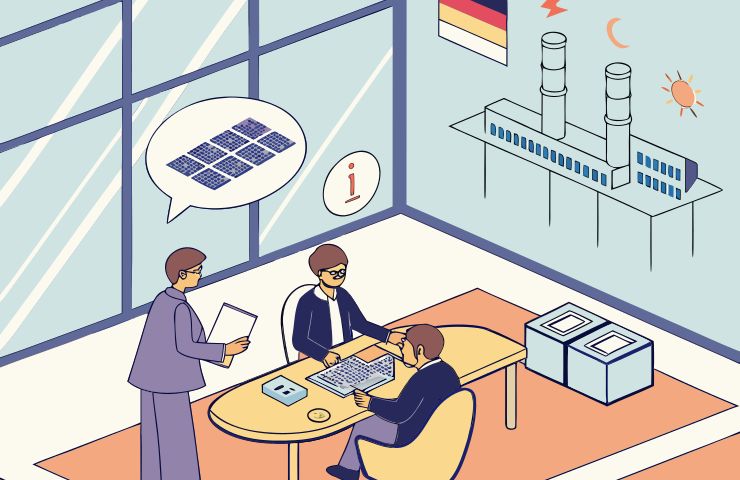
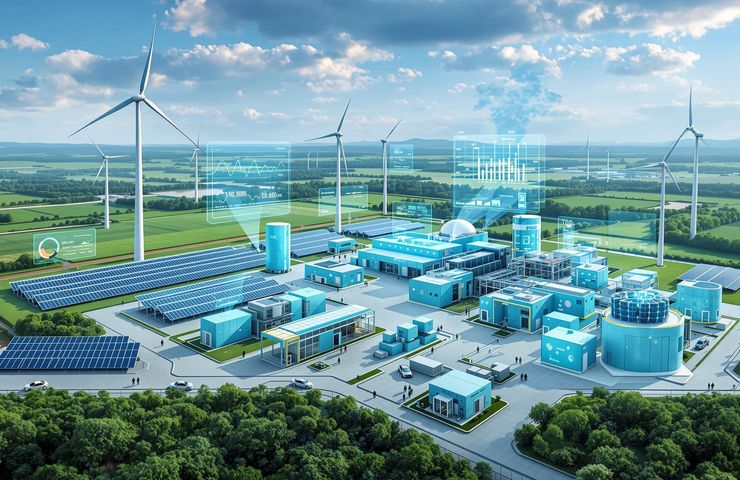
Up in China’s northeast, Jilin Province—traditionally known for its energy-heavy roots—is making a bold leap toward clean power innovation. Home to more than 23 million people and powered by a mix of coal, natural gas, and renewables, the province is now charging ahead into the future with a powerful new ally: hydrogen. But not just any hydrogen—a forward-thinking combination of green hydrogen and the rising star, turquoise hydrogen. This summer, a team of researchers at Northeast Electric Power University (NEEPU) introduced a fresh approach to managing an electric-heat-hydrogen integrated energy system (EHH-IES). Backed by funding from the local Industrial Technology R&D Project and the university’s Doctoral Research Start-up Fund, the model is all about balancing costs, cutting carbon emissions, and planning smart—even when the future’s uncertain.What Makes This a Game-Changer?
At the core of NEEPU’s new system is a scheduling model that knows how to play the long game. It brings together two kinds of hydrogen for maximum efficiency and reliability:- Green hydrogen, made by using wind and solar energy to split water molecules—super clean, but a little feisty because of renewable fluctuations
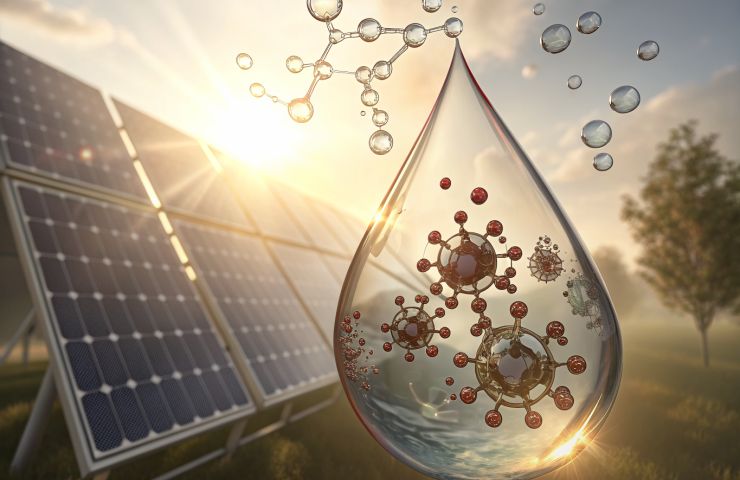
- Turquoise hydrogen, the newcomer in the hydrogen family, made through methane pyrolysis. It gives off zero CO₂ and produces solid carbon instead of gas, which makes it way easier to manage—and even profitable
Inside the Innovation: The Tech That Makes It Work
So, how does it all run like clockwork? That’s thanks to a slick optimization tool called the Distributed Robust Optimization (DRO) Scheduling Model. Here’s what makes it tick:- Takes into account the ups and downs of renewables—like those surprise dips in wind power
- Factors in human behavior, especially a metric called “low-carbon willingness”—basically, people’s willingness to pay a bit more for climate-friendly energy
- Works across electricity, heating, and hydrogen to keep both emissions and expenses in check
Why Turquoise Hydrogen Stands Out
You’ve probably heard a lot about green and blue hydrogen, but turquoise hydrogen is shaping up to be a real game-changer—and here's why. While blue hydrogen depends on carbon capture (which isn’t always foolproof), turquoise hydrogen skips the CO₂ drama altogether. Here’s the magic behind it:- Methane is superheated without any oxygen present
- This produces clean hydrogen gas and solid carbon, which can be used in everything from battery components to industrial materials like synthetic graphite
A Model for Clean, Flexible Power
This isn’t just some cool theory hatched in a lab. The NEEPU team actually ran multiple simulations using real-world data—from shifts in wind energy output to how people actually use energy in the region. One of the biggest takeaways? By switching between hydrogen sources based on system demand and carbon goals, they still managed to cut emissions—even during peak usage. That’s a huge win for both energy planning and environmental targets. And because the model runs on a distributed optimization framework, it can pivot quickly—whether there’s a sudden cold snap jacking up heating demand or a drop in wind power.Scaling Up and Looking Ahead
Jilin is clearly showing the rest of the country what’s possible when you put smart tech and bold policy to work. With local leaders now piloting integrated zero-carbon systems and Northeast Electric Power University gaining national recognition, it’s obvious that this province isn’t just experimenting—it’s building something real. While the study didn’t disclose every stat—like the exact emissions cut or dollar amounts saved—the direction is crystal clear: turquoise hydrogen is a serious contender. It’s not out to replace green hydrogen; it’s here to work with it. And for areas like Jilin, with strong natural gas infrastructure and a growing renewable sector, the timing couldn’t be better.The Bigger Picture: China’s Road to Carbon Neutrality
All of this fits neatly into the bigger ambition—carbon neutrality for China by 2060. Wind and solar may be doing the heavy lifting on the electricity front, but when it comes to industry, transport, winter heating, and energy storage, you need a flexible workhorse. That’s where technologies like methane pyrolysis and integrated energy systems come in. What Jilin is building isn’t just a model—it's a real-life look at how engineering, user behavior, and strategic planning can come together to make clean energy not only possible, but practical. This moment isn’t just Jilin leading the way—it’s a teaser of what’s coming next in the future of energy: systems that are smart, modular, and emission-free. China’s clean energy race is on, and Jilin’s setting the pace.How was this article?
Thanks for the feedback!