Hydrogen news
Is hydrogen fuel toxic to breathe?
All types of energy come with some level of risk, but many wonder if H2 is safe in the air Hydrogen fuel is becoming increasingly common as a form of energy in industry, transport and other areas, as it can be used emission-free. As it is a gas, and it is new for many people, it isn’t unexpected that some are inquiring about its safety in the air, particularly if there is a leak. H2 is not a toxicity or innate reactivity hazard Hydrogen fuel is a flammable gas, and it is often stored under a substantial amount of pressure in order to get as much of it into a small amount of space as possible…
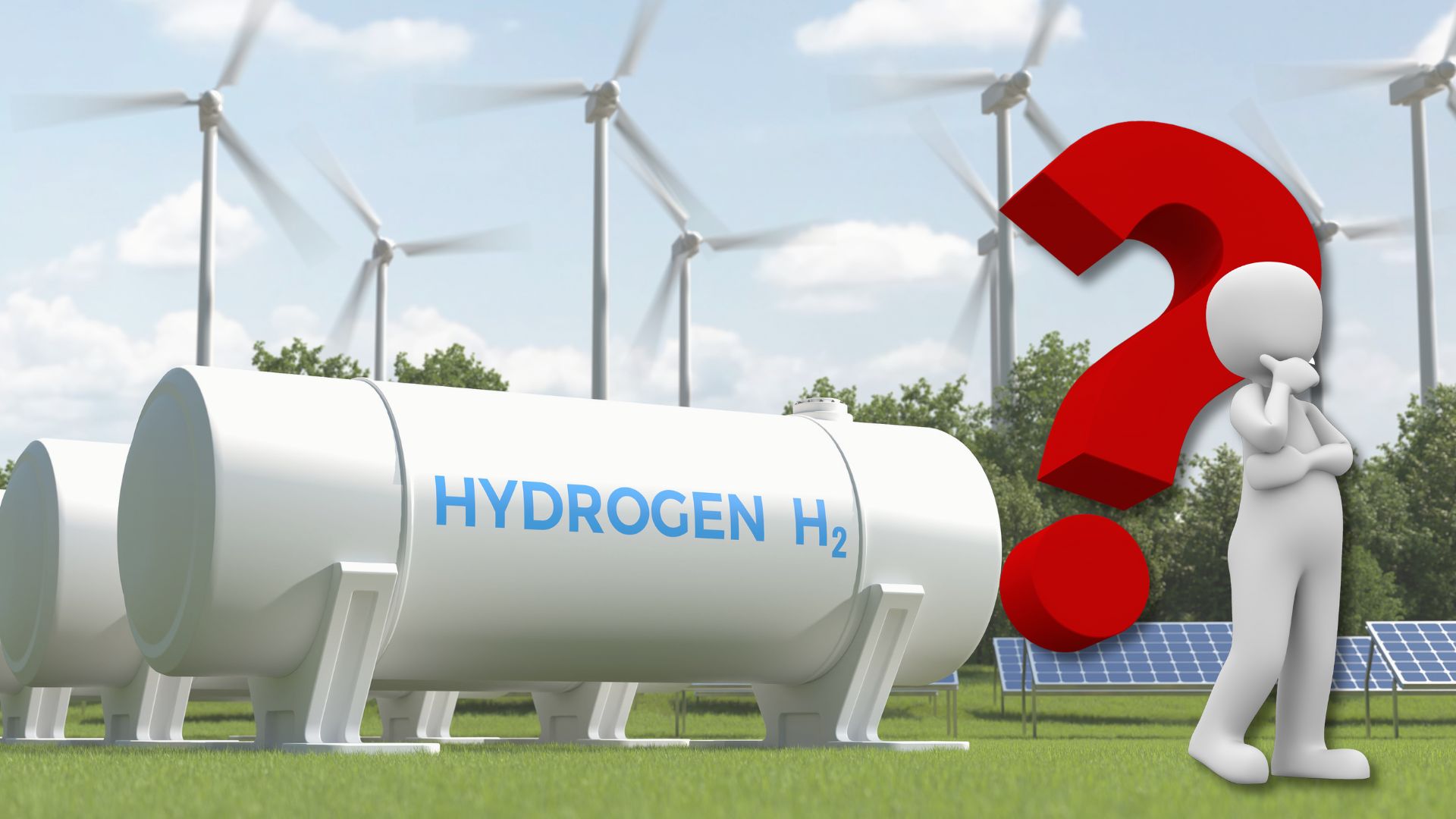
All types of energy come with some level of risk, but many wonder if H2 is safe in the air
Hydrogen fuel is becoming increasingly common as a form of energy in industry, transport and other areas, as it can be used emission-free. As it is a gas, and it is new for many people, it isn’t unexpected that some are inquiring about its safety in the air, particularly if there is a leak.H2 is not a toxicity or innate reactivity hazard
Hydrogen fuel is a flammable gas, and it is often stored under a substantial amount of pressure in order to get as much of it into a small amount of space as possible, or even to liquify it at very low temperatures. Each of those factors comes with a certain amount of risk, as is the case with the storage of other types of flammable gases and liquids, and gases under pressure, such as gasoline, diesel, and natural gas, among others. That said, while those common fuels also come with degrees of toxicity if inhaled or consumed, the risk associated with hydrogen fuel in that category is not typically considered to be nearly as high. There are several reasons for this.
Hydrogen fuel is an exceptionally light gas
The very nature of hydrogen fuel as the lightest element in the universe makes it safer to handle than many of the most commonly used fuels today. It is considered to be non-toxic, in that, if breathed in or if it comes in contact with skin, it will not cause any specific harm. Moreover, if it leaks out of a storage tank, its lightness causes it to dissipate very rapidly, as it rises and disperses away from the source.What if there is a large leak?
As is the case with any type of gas, if a very large volume of it it were to leak into a relatively well-sealed space, it could displace the rest of the air in that space – including the oxygen – which means that there could in that specific circumstance be a suffocation risk. That said, the room would fill from top to bottom with the gas (as it is lighter than the other molecules in the air) and would require a lot of hydrogen that would not be able to otherwise escape. Still, even if breathed in, it is not toxic, it is simply not oxygen. This makes it a suffocation risk more similar to a nitrogen leak than to a leak associated with most other fuels such as natural gas. Hydrogen Fuel News does not recommend breathing excessive amounts of H2. Always use H2-based technology, storage and other associated equipment as per the recommended instructions. Consult an expert regarding any questions regarding the safe use of hydrogen.How was this article?
Thanks for the feedback!