Hydrogen news
Can natural gas fields be converted into hydrogen fuel production facilities?
Scientists have suggested that heading directly to the fields is an efficient way to create H2 Researchers from the Skolkovo Institute of Science and Technology university in Moscow, Russia claim to have discovered a method of hydrogen fuel production using natural gas. Their description said the production method had a 45 percent efficiency The scientists’ method is meant to be used at the natural gas fields themselves. It involves injecting steam and a catalyst directly into the natural gas well, and to ignite the gas with oxygen. This combustion assisted by the catalyst results in a mixtu…
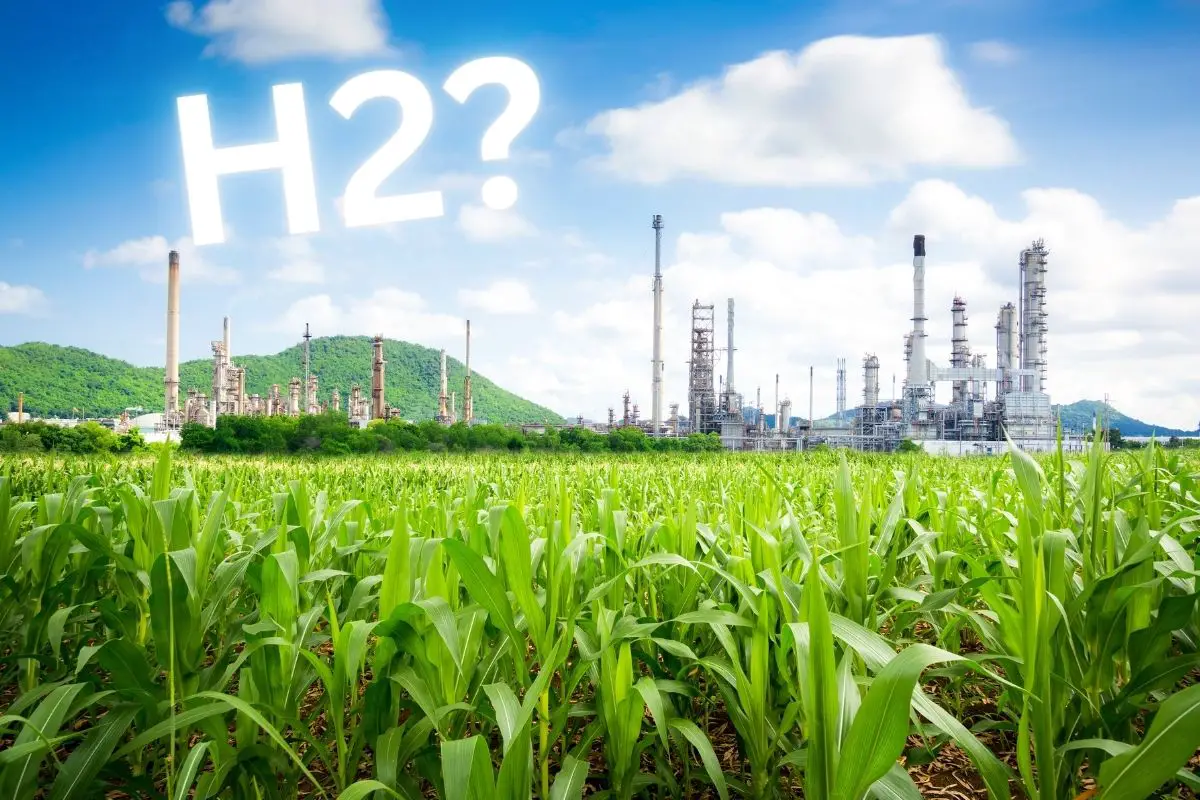
Scientists have suggested that heading directly to the fields is an efficient way to create H2
Researchers from the Skolkovo Institute of Science and Technology university in Moscow, Russia claim to have discovered a method of hydrogen fuel production using natural gas.Their description said the production method had a 45 percent efficiency
The scientists’ method is meant to be used at the natural gas fields themselves. It involves injecting steam and a catalyst directly into the natural gas well, and to ignite the gas with oxygen. This combustion assisted by the catalyst results in a mixture of H2 and CO2, from which the hydrogen gas can be extracted without much difficulty. The reason the scientists are enthusiastic about pushing this method into use is that they say its ease and efficiency can support the transition from using fossil fuels to using H2 instead. The researchers published their findings in the Fuel journal.Using this hydrogen fuel production to wean off fossil fuels
Worldwide, about 80 percent of energy is produced using fossil fuels such as oil, natural gas, and coal. The remainder is from other methods such as nuclear and renewable energy, among others. Using fossil fuels releases greenhouse gases into the atmosphere – among other environmental impacts – contributing to the climate crisis. While natural gas is believed to be somewhat “cleaner” than using oil and coal, its use still results in CO2 emissions, meaning that it still plays a role in climate change. Hydrogen fuel, on the other hand, emits only water vapor and heat when used in fuel cells. For this reason, among others, it is broadly believed to be a clean alternative to fossil fuels as a source of energy. That said, among the primary barriers to its widespread use has to do with challenges in its production.
Making hydrogen fuel directly from natural gas fields
By their very nature, natural gas fields have a high H2 content as they are greatly composed of hydrocarbons. This means that if you work at the molecular level, the H2 can be separated from the hydrocarbons that contain them. The trick is to create this clean source of energy without resulting in a significant amount of greenhouse gas emissions by doing so. When the method developed by the Skolkovo team is used, it burns the natural gas, converting it into a combination of carbon monoxide and H2. While this may sound as though it’s creating the very problem that the use of hydrogen fuel is meant to solve, the researchers have also focused on carbon capture and storage in order to overcome it. The carbon dioxide that results from the production of the carbon monoxide remains within the natural gas reservoir instead of being released into the atmosphere. Carbon capture and storage is a controversial subject with regards to dealing with CO2 emissions, as it is not 100 percent effective, and many experts call it short-term thinking. They say that a clean method of hydrogen fuel production is far superior to one that maintains a reliance on fossil fuels and requires emission mitigation strategies. That said, others argue that this type of short-term solution using the types of resources that are already readily available are what will help to bridge the gap until cleaner methods of H2 production can be scaled up and established worldwide.Testing the process
To test their method, the scientists created a simulated gas reservoir environment within their lab reactors. They added crushed rock within the reactor, then added the methane (natural gas), the catalyst, and the oxygen. The reactor’s pressure was kept at a level that is typical to naturally occurring gas reservoirs, which is about eighty times the natural atmosphere above ground.How was this article?
Thanks for the feedback!