Netherlands Lowers Green Hydrogen Electrolyser Capacity Forecast for 2030 amid Cost and Demand Pressures
The Dutch government has cut its 2030 green hydrogen electrolyser forecast to 1.2–1.5 GW from 3–4 GW, citing higher costs, network fees and uncertain demand, marking a shift in strategy.
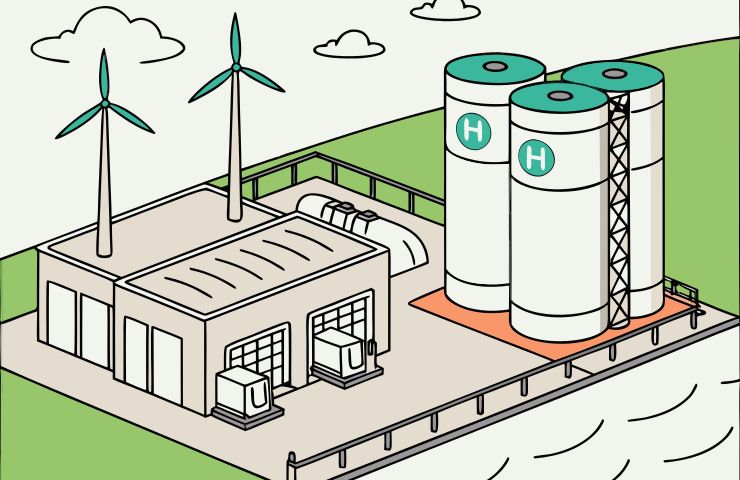
The Dutch government has recently revised its estimate for domestic green hydrogen electrolyser capacity by 2030, dialing back expectations from a lofty 3-4 GW down to around 1.2-1.5 GW. This shift comes straight from the latest Planbureau voor de Leefomgeving (PBL) Climate and Energy Outlook, and it points to a mix of rising equipment costs, increased network fees, and uncertain offtake agreements as the culprits behind this lowered outlook. While they haven’t officially scrapped the earlier target, this adjustment is a clear sign that their initial hopes might have been a bit too optimistic given the evolving challenges in the market and technology.
According to the PBL report, the outlook for hydrogen production through electrolysis has been trimmed due to four critical factors: climbing capital costs for electrolysers, surging grid connection fees, slower-than-expected industrial agreements for offtake, and tight schedules for project delivery. There's also a cloud of uncertainty hanging around the availability of renewable electricity and fluctuating demand for green hydrogen, which has made it tougher for projects to attract financing. The old national energy plan had set a goal of about 4 GW of electrolyser capacity by 2030, but the updated analyses show that the domestic rollout will realistically only reach 1.2-1.5 GW, even factoring in other announced or conditional projects. To hit higher numbers in the future, we’ll need better coordination of subsidies, solid offtake contracts, and easier permitting processes.
Understanding Electrolyser Capacity
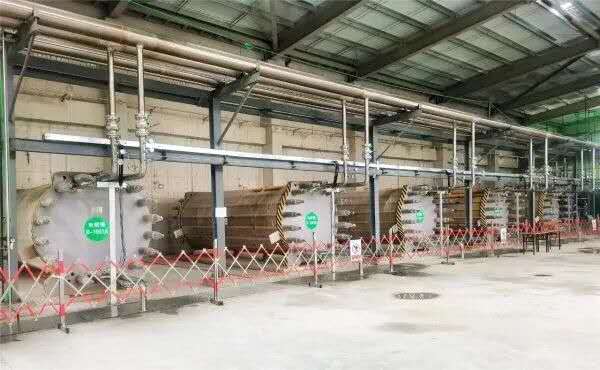
So, what exactly is electrolyser capacity? It basically refers to how much electrical input a system can take, usually measured in megawatts or gigawatts, rather than how much hydrogen it can produce in a year. An electrolyser consists of multiple stacks forming modules that link up with power electronics, water treatment units, and gas processing facilities. When they get their juice from renewable electricity, these electrolysers do their thing, splitting water into hydrogen and oxygen. But here's the catch: their actual hydrogen output can be affected by operational hours, utilization rates, and efficiency losses. In the real world, intermittent renewable sources and grid limitations can keep electrolysers from running at their full capacity, making it crucial to have high usage factors and flexible operational strategies to make projects more cost-effective.
Policy Framework and Priorities
On the policy side, the government’s National Energy System Plan is still hanging on to that ambitious 4 GW electrolyser target as a strategic goal, though it’s clear there’s a lot of uncertainty regarding future hydrogen demand, costs, and infrastructure readiness. It emphasizes that direct electrification is the preferred route whenever it’s technically and economically viable, reserving precious green hydrogen for its most valuable uses. We’re talking about things like industrial feedstock in chemicals and refining, high-temperature processes like steelmaking, specific heavy transport applications, and even long-duration energy storage. And let’s not forget about blue or low-carbon hydrogen sourced from natural gas with carbon capture as a possible transitional option when renewable sources are not enough.
This downward adjustment definitely has major implications for everyone involved, from market players to policymakers. The entire hydrogen value chain needs synchronized investments in renewable generation, electrolysers, pipelines for transport, storage facilities, and offtake infrastructure. If even one part of this chain falls behind—be it demand commitments or grid capacity—other projects could end up facing hefty financing costs or, worse, become stranded. A trimmed forecast shifts the focus from chasing gigawatt headlines to laying out a roadmap for projects, designing targeted subsidies, and promoting collaboration between energy producers, network operators, and industrial buyers. It also strengthens the case for planning a robust hydrogen infrastructure that blends local production with import terminals for carriers like ammonia or liquid forms of organic hydrogen.
The PBL analysis builds off technical assessments by the applied research outfit TNO and other Dutch institutions, which have generally pitched hydrogen as a potential powerhouse for industries, heavy transportation, and flexible energy systems. The Netherlands once positioned itself as a strong candidate for becoming a hydrogen hub due to its extensive natural gas infrastructure, salt caverns, and port capacities. Initially, they set interim targets of 500 MW by 2025 and up to 4 GW by 2030. However, reality set in as project timelines encountered delays in permits, supply-chain troubles, grid connections, and secure offtake arrangements, which all led to a more cautious official stance.
From an environmental perspective, dragging out the electrolyser rollout could delay emissions cuts in sectors that are hard to electrify and stop the premature building of infrastructure that could siphon renewable electricity away from direct electrification efforts. It also raises some eyebrows regarding water consumption, critical minerals needed for making electrolysers, and methane leaks in low-carbon hydrogen pathways. On the regulatory front, this revision might test compliance with European standards for renewable hydrogen in industries—specifically 42 percent by 2030 and 60 percent by 2035—and could trigger changes in subsidy programs, grid tariff designs, and permitting processes to boost sustainable hydrogen storage and production without undermining other green energy pathways.
Other European nations working on hydrogen strategies have hit similar bumps in the road as cost assumptions and grid constraints have shifted. A few member states have had to lower their capacity goals, stretch project timelines, or change the focus of their market segments. In the Netherlands’ case, a sharper focus on prioritizing and coordinating imports might end up influencing broader plans across North-West Europe. The country expects that domestic renewable power won’t cover all of its future hydrogen appetite, making it crucial to have import hubs, regional pipelines, and cross-border trading mechanisms in place. Close coordination under frameworks like the European Hydrogen Bank, TEN-E regulations, and regional cluster initiatives will be essential for balancing supply and demand across the continent.
Shifting to a Dynamic Roll-Out
Looking forward, Dutch policymakers and industry players are likely to embrace a more evidence-based approach to rolling out hydrogen infrastructure. This means structuring financial support around real demand, handing out capacity through competitive tenders, and linking electrolysers with dedicated renewable energy zones. They might even expand import terminals to handle ammonia and other carriers, while prioritizing salt-cavern storage in northern Netherlands for seasonal balancing. Transitional blue hydrogen facilities might help fill supply gaps, but the main narrative will focus on targeted deployment instead of just shooting for unbounded growth.
The decision to lower the 2030 electrolyser capacity forecast isn’t about giving up on hydrogen policy; it’s more of a strategic recalibration. By aligning their ambitions with market realities and technical challenges, the Netherlands aims to protect investments, optimize pathways for decarbonization, and keep up its leadership role in the European energy transition race. The era of broad gigawatt targets is shifting to project sequencing, solid offtake commitments, and integrated planning across production, infrastructure, and end-use sectors. This pragmatic approach could serve as a blueprint for other regions tackling the tricky balance between ambition and practicality in deploying green hydrogen.