Indonesia’s Hydrogen Vehicle Pilots Hit Cost Hurdles Despite Policy Momentum
Despite bold pilots and a new 194-km green hydrogen corridor, Indonesia’s push to deploy hydrogen vehicles faces a cost gap that risks confining the effort to demonstrations.
Indonesia’s ambition to get hydrogen vehicles cruising on the roads of Jakarta isn’t just a pipe dream anymore. It’s shifting from lofty goals to real-life pilot projects, but there's still this nagging cost gap that’s keeping it stuck in the demonstration stage.
Turning Policy into Action
Thanks to the coordination of the Ministry of Energy and Mineral Resources (ESDM), Jakarta is stepping up as the testing ground for hydrogen mobility. Minister Bahlil Lahadalia and Director General Eniya Listiani Dewi are presenting hydrogen as a key player in decarbonizing the economy, boosting energy security, and fueling industrial growth right here at home. Their action plan now includes road tests for cars, retrofitted motorcycles, and heavy-duty vehicles, with a whopping 93 hydrogen ecosystem projects in the works, pegged at about Rp 32 trillion. They're even laying out a dedicated green hydrogen corridor linking Jakarta to Karawang and Patimban in West Java.
Creating the Jakarta–Patimban Corridor
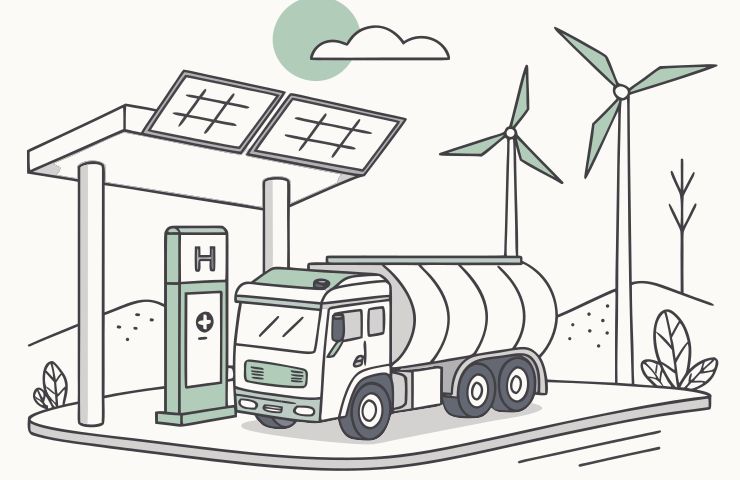
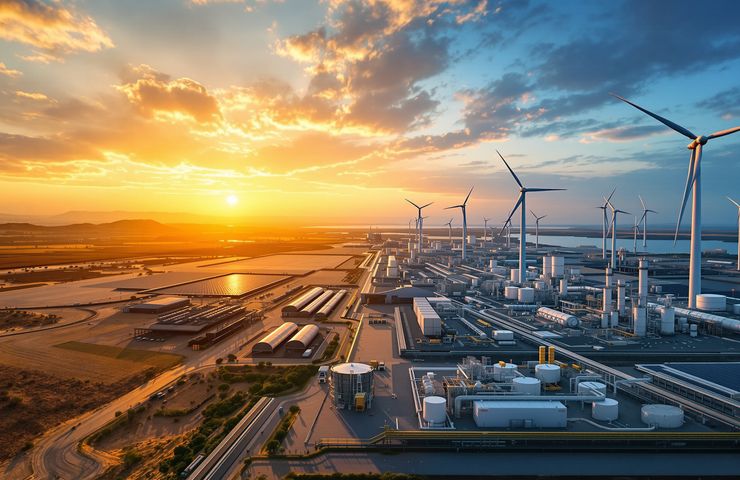
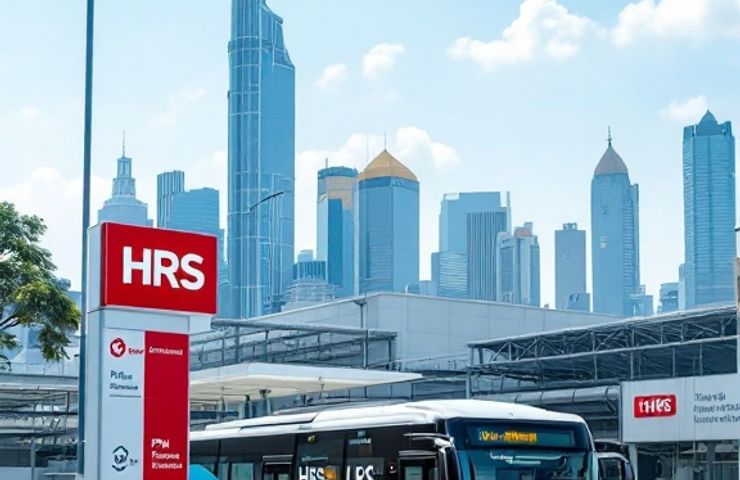
Recent news has rolled out plans for a 194-kilometer logistics route, where local green hydrogen production and refueling will back trials for buses and freight. PT PLN has already set up hydrogen refueling stations at Senayan, Muara Karang, and Duren Tiga, providing compressed hydrogen for depot operations. Meanwhile, PT Toyota Motor Manufacturing Indonesia is busy building another station in Karawang, while state oil company PT Pertamina pitches in with its infrastructure expertise. The first phase of this corridor is going to use proton exchange membrane (PEM) electrolyzers, which are designed to produce around 100 kg of green hydrogen each day, drawing from renewable energy. This setup aims to demonstrate that hydrogen supply can be distributed close to transport routes.
A Quick Look at Dual-Fuel Buses and PEM Electrolyzers
A standout pilot is the hydrogen-diesel dual-fuel (H2 DDF) buses run by Perum DAMRI. These modified engines mix hydrogen with diesel, which helps slashes fossil fuel consumption without needing a full-blown fuel-cell drivetrain. Sure, they’re not zero-emission, but H2 DDF buses make use of existing vehicle platforms and maintenance networks, which makes them easier to roll out. On the flip side, PEM electrolyzers are great for keeping pace with variable renewable power and producing high-quality output—this purity is super important in transport applications since it affects performance and durability.
The Economic Hurdles for Hydrogen Vehicles
Even with these active pilots, the economics are still a sticking point. Local sources indicate that only about 75 tonnes of the 200 tonnes of hydrogen produced annually as an industrial byproduct are being put to good use, which leaves a lot of output sitting on the sidelines. The steep costs of producing green hydrogen—thanks to high electrolyzer CAPEX and expensive renewable power—mean that fuel prices are still higher than both battery-electric and good old diesel alternatives. When you crunch the numbers on total cost of ownership (TCO), hydrogen mobility still lags behind battery electric vehicles across both light-duty and heavy-duty segments. This is partly due to low station utilization and the ongoing investment in unproven refueling infrastructure.
Strategic Stakes and What It Means for the Industry
The government’s push is founded on three key objectives: reducing reliance on fossil imports, building a homegrown hydrogen industry, and cutting transport emissions. If they can get the 93-project portfolio moving, it could spark demand for electrolyzers, storage systems, and hydrogen compression technologies, essentially kickstarting a local supply chain. But the initial hydrogen volumes are still pretty modest, so there might be a need for public support or targeted subsidies to bridge that TCO gap. How state-run companies like PLN and Pertamina navigate cross-subsidies and pricing will play a big role in whether these pilots can evolve into a viable market or stay as mere demos.
Looking Ahead: What's Next for Indonesia’s Hydrogen Roadmap?
The next few months will be crucial in figuring out if Indonesia can actually lower green hydrogen production costs. This would involve ramping up electrolyzer deployments, bringing down renewable power tariffs, and boosting station utilization. Grabbing success in heavy fleets and corridor logistics could open the door to pure fuel-cell buses and trucks, and maybe even personal vehicles down the line. If they can’t close that cost gap, hydrogen could end up being just a niche application, especially as battery electric vehicles rapidly gain traction across Southeast Asia.
Conclusion: Indonesia is clearly making strides with its hydrogen vehicle agenda, moving from theoretical discussions to real-world trials. But until they can scale up green hydrogen production and refueling infrastructure, the big question remains: can policy momentum overcome those tough economic challenges that are standing in the way of their ambitious hydrogen goals?