Hyundai Launches Waste-to-Hydrogen Initiative in Indonesia to Drive Clean Energy Transition
Hyundai Motor Group launches a 2024 waste-to-hydrogen project in Indonesia with Pertamina and Adaro Minerals, turning municipal waste into hydrogen fuel for FCEVs — a dual-purpose strategy targeting both clean transport and waste management.
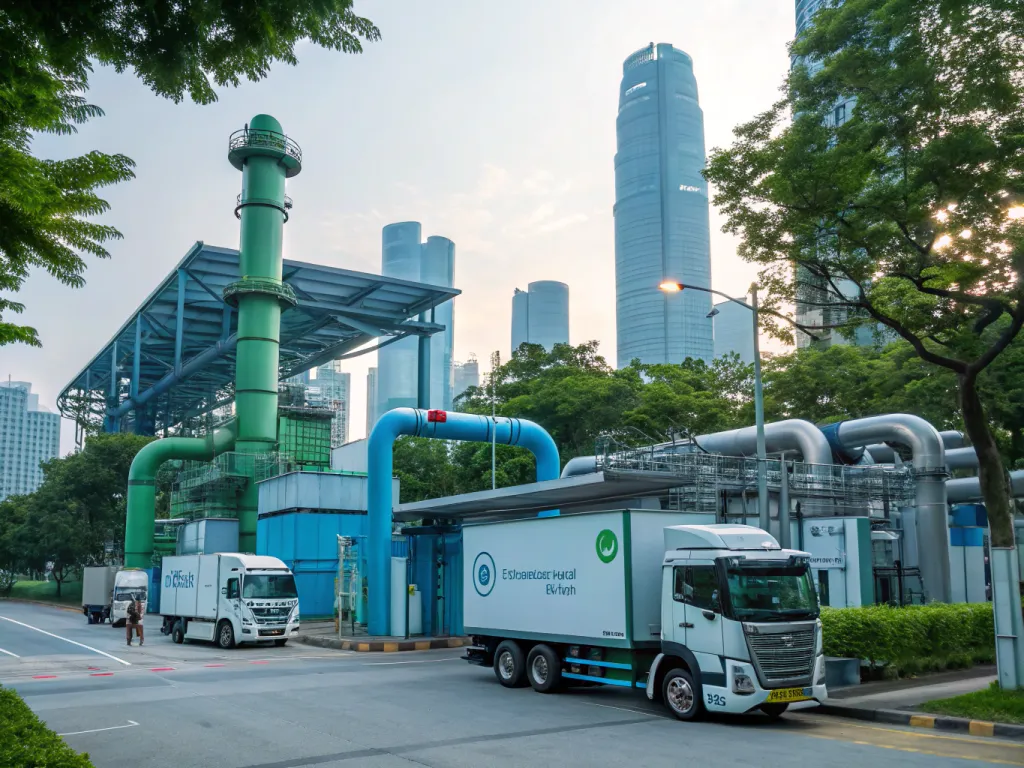
Hyundai Motor Group is kicking off an ambitious new chapter in Southeast Asia — launching a waste-to-hydrogen production initiative in Indonesia that aims to tackle two massive challenges at once: carbon emissions and mounting waste. It’s a future-forward effort that blends clean fuel innovation with smart waste management strategies.
From Trash to Transport Fuel
Set to take shape in 2024, the project’s goal is simple but powerful — turn everyday municipal waste into clean-burning hydrogen fuel. That hydrogen will then be used to power fuel cell electric vehicles (FCEVs) like Hyundai’s Nexo SUV and the Xcient Fuel Cell heavy-duty truck. It’s not just about expanding Hyundai’s global hydrogen reach — it’s about creating a full-circle green solution that fits the realities and needs of a developing economy.
"It’s more than producing fuel," said a Hyundai team member close to the project. "It’s about putting real, sustainable, scalable tech where it can make the biggest difference."
Big Names, Big Moves
Hyundai’s not going it alone. They’ve teamed up with the Government of Indonesia, energy heavyweight Pertamina, and mining and energy player Adaro Minerals. Together, they’re combining regulatory backing, energy infrastructure, and deep market experience to create the perfect test lab for hydrogen production in a fast-growing market.
With more than 270 million people and cities struggling under the weight of growing waste, Indonesia is looking for innovative ways to transition its energy systems. The government’s all-in, tying its green goals directly into urban planning and offering incentives to back clean energy investment as part of its long-term push toward a sustainable energy future.
Inside the Tech
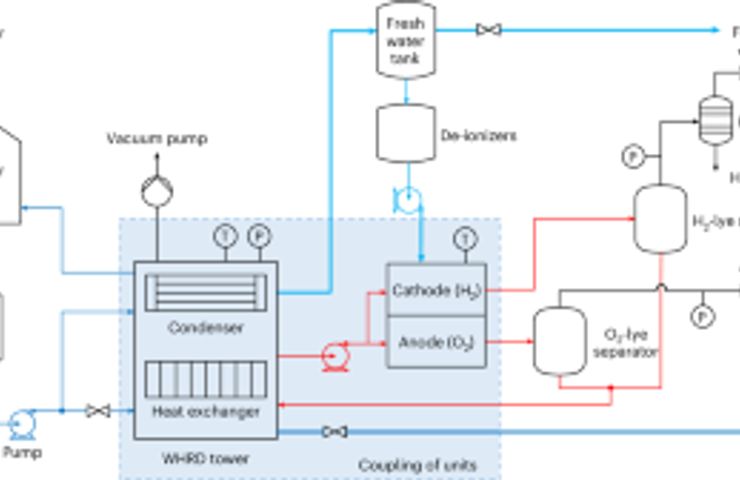
So how does it all work? At the heart of the plan is cutting-edge waste-to-hydrogen technology. Processes like gasification and anaerobic digestion will break down trash into a hydrogen-rich syngas. From there, the hydrogen is purified and sent straight into FCEV powertrains — turning city garbage into zero-emission fuel.
Full technical specs are still under wraps, but sources suggest we’ll hear more by the end of the year — including details about the plant’s location, how much waste it can handle, and the scale of the investment. Insiders hint that flexible, modular waste-to-hydrogen systems could be deployed, giving the project adaptability depending on local needs and costs.
Why It Matters
This effort brings together key components of the hydrogen puzzle — advanced fuel cell technology, local green hydrogen production, and a circular way of thinking about waste and energy. For Hyundai, it’s a strategic step into a region that’s quickly gaining traction as a future hydrogen production hub. For Indonesia, it’s a major opportunity to cut down on imported fossil fuels, lower methane emissions from its landfills, and ride the wave of green-economy growth.
"This is what rolling out hydrogen in the Global South really looks like," said one regional energy analyst. "It’s smart. It’s local. And it checks a lot of boxes all at once — clean transport, waste reduction, and energy independence."
The Bigger Picture
Worldwide, most large hydrogen projects have set up shop in Europe, North America, or the Gulf. Now, Southeast Asia’s stepping into the spotlight. Countries like Indonesia are leaning into clean hydrogen and ammonia projects to meet energy needs and stay on track with climate targets.
Hyundai’s venture in Indonesia is one of the few waste-based hydrogen pilots that directly links to a branded FCEV fleet. That means everything — from trash pickup to clean fuel for trucks and SUVs — happens in one seamless, sustainable loop.
Challenges Still Ahead
Of course, not everything is tied up with a bow. There’s still a long road ahead when it comes to proving commercial viability, clarifying regulations, and deploying the technology at a bigger scale. But with government backing and strong industry partners, things are looking promising.
And the potential doesn’t stop with vehicles. Experts say this could pave the way for clean ammonia production too, opening up new paths for low-carbon manufacturing and green exports across Indonesia’s industrial sectors.
What Comes Next
As the pilot moves forward, everyone’s watching for updates on plant capacity, emission reduction, and cost numbers. If it works, this could become a go-to model for other heavily populated cities in Asia, Africa, and Latin America looking to leapfrog into a green hydrogen future.
For now, one thing’s clear: waste-to-hydrogen isn’t just a cool concept on paper anymore. It’s happening — and it might just be a game-changer.