Hyroad Energy Launches On-Site Hydrogen Fueling and Maintenance at IMC Logistics’ Fontana Yard
Hyroad Energy has set up on-site hydrogen fueling and maintenance services for IMC Logistics’ fuel-cell truck fleet at its Fontana yard, piloting a depot-based infrastructure model that could ease zero-emission drayage adoption.
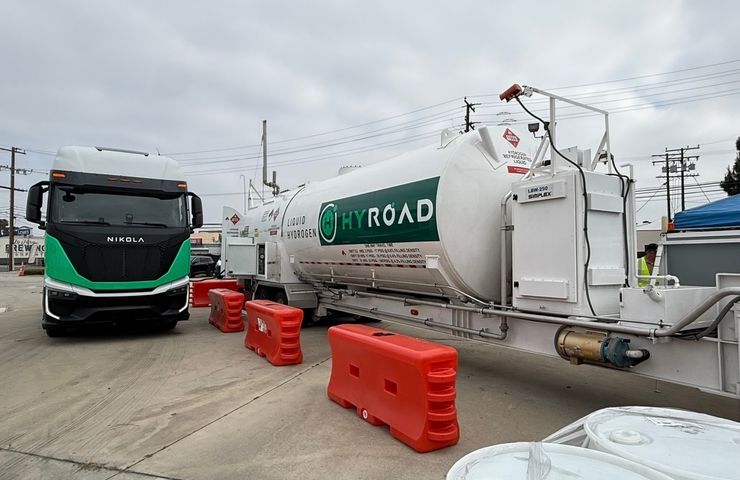
This month Hyroad Energy began supplying hydrogen fuel and maintenance services to IMC Logistics’ fleet of Class 8 hydrogen fuel-cell trucks operating from IMC’s Fontana, California yard. The deal places fueling infrastructure and specialized repair capabilities inside the yard. It gives IMC a single partner to manage energy supply and vehicle upkeep. Hyroad Energy leases space within the facility to dispense hydrogen and to conduct ongoing maintenance and repairs while the trucks continue with daily drayage operations.
Depot-Based Hydrogen Fueling in Fontana
By establishing a depot-based hydrogen refueling station, Hyroad Energy reduces the need for travel to remote hydrogen refueling stations and integrates with the freight cycle at one of Southern California’s key inland logistics hubs. Fontana sits at the nexus of the Los Angeles and Long Beach ports and inland distribution corridors. That location makes it an ideal test bed for hydrogen infrastructure. The yard-based model simplifies hydrogen supply, aligning vehicle dispatch schedules with refueling windows and minimizing downtime associated with off-site energy pickups. In short: refueling happens where the trucks are, not where they might have to go out of route to reach a public station.
Integrating Fueling and Maintenance
Traditional hydrogen infrastructure often relies on standalone public stations or roadside fueling points, creating logistical complexity for fleet operators. Hyroad Energy’s integrated approach bundles hydrogen supply, dispensing equipment and fuel-cell truck service under one contract. Technicians trained in hydrogen vehicle maintenance inspect fuel-cell stacks, high-pressure storage tanks, electric drivetrains and safety systems on site. Centralizing these tasks in the yard means fuel deliveries, station uptime and the management of specialized repair parts and labor are coordinated together rather than through multiple vendors. That coordination is the model’s stated advantage: a single contract, a single location, a single operational rhythm for refueling and repairs.
Why This Matters
Hydrogen fuel-cell technology offers zero tailpipe emissions and fast refueling, but its commercial viability hinges on reliable depot infrastructure. For IMC Logistics, colocating fueling and maintenance creates a single point of contact for two of the most challenging operational needs: hydrogen supply and fuel-cell truck uptime. The Fontana project aims to design hydrogen infrastructure around existing supply chains rather than shoehorning clean-energy assets into stand-alone demonstrations. If the depot model performs as intended, it could accelerate broader adoption of hydrogen vehicles in drayage and regional trucking. It would also produce operational data on truck utilization, fuel cost and station reliability that fleets and funders can evaluate.
California’s Policy Push
California has long supported zero-emission freight through mandates such as the Advanced Clean Trucks and Advanced Clean Fleets regulations. Previous projects like NorCAL ZERO deployed high-pressure hydrogen stations, maintenance facilities and workforce training. Hyroad Energy’s Fontana deployment builds on this policy foundation by bringing fueling infrastructure inside a private yard—a step that may unlock further eligibility for the Clean Transportation Program and HVIP incentives. Integrating private depots into the hydrogen refueling network could address permitting, safety and access challenges that are harder to resolve with standalone public stations.
Technical Considerations
Heavy-duty hydrogen fuel-cell trucks carry compressed hydrogen at pressures up to 700 bar and rely on polymer-electrolyte-membrane stacks to generate electricity. Each refueling requires precise pressure management, leak detection and temperature control. The in-yard station must ensure adequate storage capacity, dispenser throughput and safety systems. Depot maintenance must cover fuel-cell stack inspection, cooling system checks and high-voltage safety protocols. While on-site servicing promises quicker turnaround, detailed performance metrics such as dispenser reliability, hydrogen purity and maintenance intervals have not been disclosed.
Challenges and Unknowns
The announcement omits several key details: fleet size, contract value, hydrogen volume, delivered cost per kilogram and station throughput. It also leaves unanswered whether the hydrogen is sourced from renewable electrolysis or conventional pathways—information crucial to lifecycle emissions and green hydrogen production claims. Without published uptime data or maintenance frequency, it remains unclear how the depot model affects total cost of ownership compared with diesel or battery-electric alternatives. Safety permitting, technician training, spare-parts logistics and yard configuration also represent variables that could influence scalability.
Looking Ahead
Real-world data from the Fontana depot will be vital to evaluating hydrogen refueling stations as a scalable solution. Observers will watch for metrics on utilization rates, station uptime, maintenance turnaround and delivered fuel price. If IMC Logistics can maintain competitive truck availability and operating costs while tapping into hydrogen’s fast refueling and range benefits, larger fleets may follow suit. Conversely, persistent challenges around infrastructure financing, technical complexity and lifecycle emissions accounting could temper momentum. Either outcome will inform whether depot-based hydrogen operations become a common option for drayage and regional routes.
Implications for the Market
For Hyroad Energy, the Fontana arrangement cements its role as a hydrogen infrastructure integrator rather than a standalone vehicle or fuel supplier. Its bundled service model may attract fleets seeking to avoid managing multiple vendors, especially in regions where hydrogen infrastructure remains sparse. For logistics providers, the service offers an alternative pathway alongside battery-electric trucks—particularly for high-utilization routes where rapid refueling is critical. If this depot-based model proves reliable, financiers and policymakers may refine programs to support yard-level stations and on-site servicing, shaping hydrogen refueling stations as a complement to public networks rather than a replacement.
By colocating hydrogen refueling and maintenance within IMC’s Fontana yard, Hyroad Energy and IMC Logistics are testing a crucial piece of hydrogen infrastructure: depot-based operations that align with real-world freight cycles. The success of this model will hinge on transparent performance data, robust safety procedures and integration with existing incentive frameworks. As hydrogen vehicles vie for a share of the zero-emission market alongside batteries, depot fueling and on-site servicing may be the linchpin that moves fuel-cell trucks from pilot projects toward mainstream drayage and regional logistics.