Hydrogen Vehicles Take on Dakar Rally with Toyota’s Fuel-Cell Hilux
Toyota Gazoo Racing will field a hydrogen fuel-cell Hilux prototype in the Dakar Future Mission 1000 class, using the Saudi desert as a live R&D lab for next-gen fuel cell technology and hydrogen infrastructure.
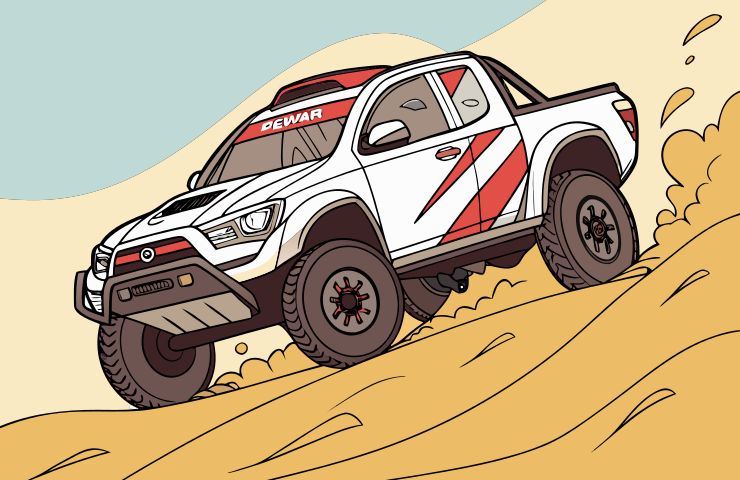
You don’t see hydrogen vehicles tackling the Dakar Rally every day, but Toyota Gazoo Racing is about to change that. They're rolling out the DKR GR FC Hilux, a hydrogen fuel cell prototype, to compete in the experimental Dakar Future Mission 1000 class. By combining zero-emission tech with rock-solid off-road performance, Toyota’s turning the Saudi desert into a testing ground for the next wave of clean mobility.
Under the Hood
So, what’s going on under that rugged exterior? The DKR GR FC Hilux takes the winning rally-raid platform from Toyota and swaps out its internal combustion engine for a powerful proton exchange membrane fuel cell. Hydrogen, stored in high-pressure 700-bar cylinders, fuels an electric motor, while a battery buffer collects energy from regenerative braking. As it zips through the bivouacs, this beast only lets out water vapor—no CO₂ in sight—thanks to an advanced thermal management system that keeps everything running smoothly. It’s not just sitting around in a lab; it’s a real-life demo of hydrogen infrastructure, complete with custom refueling rigs ready to roll under the pressure of a race.
Why the Desert?
Now, you might wonder why Toyota chose the brutal landscapes of Saudi Arabia for this test. The stages are a grueling two-week trek, packed with scorching dunes, rocky terrains, and sweltering heat. It’s the perfect setup to reveal every potential flaw. On this course, heat spikes challenge cooling systems, fine dust plays havoc with seals, and the relentless vibrations put components to the test. With only limited downtime for repairs, Toyota’s engineers will discover just how tough hydrogen storage methods and the powertrain really are in an environment that’s way tougher than regular road tests.
Motorsport as R&D
For Toyota, racing has always been a secret laboratory. Back in 2007, when Akio Toyoda first hit the Nürburgring, little did he know it would lead to the launch of the unified Gazoo Racing division in 2015. The Dakar hydrogen Hilux continues this tradition, focusing on shrinking and toughening fuel cell modules, optimizing cooling under heavy loads, and refining the system's overall layout. This isn’t just about racing; it’s about feeding valuable insights into Toyota’s broader plans—from hydrogen passenger vehicles to heavy-duty trucks, buses, trains, and even marine applications. Industries everywhere are chasing decarbonization through hydrogen production methods and the development of electrolyzer networks.
More Than a Race
On paper, hydrogen’s quick refueling times and extended range make it a natural partner for battery-powered vehicles, especially in demanding situations. By proving that a fuel cell can withstand the harsh conditions of the Dakar, Toyota aims to boost confidence in hydrogen project financing and secure clean hydrogen offtake agreements. The takeaway? Insights from the desert could lead to new hydrogen refueling stations along freight routes or remote mining sites, showcasing exactly where hydrogen vehicles shine compared to battery-electric counterparts.
Challenges Ahead
Of course, venturing into hydrogen territory isn’t without its challenges. Fuel cell stacks still carry a hefty price tag, thanks to platinum catalysts and precision membranes. To deliver super-clean hydrogen in the remote bivouacs, mobile refueling infrastructure must meet strict safety standards, while the service teams have to be extra vigilant about contamination and thermal runaway. Scaling these solutions for public use is a significant hurdle on the journey to widespread zero-emission technology.
What to Watch
Before they hit the rally, Toyota’s prep runs in Belgium will provide essential data on stack temperature swings, power consistency, and refill speeds. When the DKR GR FC Hilux finally takes off across the Saudi sands, every stage result and telemetry will feed back into Toyota's development efforts. Whether it manages to complete the challenging course or hits a snag, the knowledge gained about durability, cooling, and downsizing will help shape the future of hydrogen vehicles well beyond the racetrack.
So, the Dakar debut isn’t just a flashy publicity stunt; it’s all about proving the concept under intense conditions. If Toyota’s hydrogen Hilux can endure the desert's relentless challenges, it could seriously upend expectations for what clean, off-road transport can accomplish—and that’s definitely a finish line worth chasing.