Hydrogen Project Financing: AfDB Catalyzes $20M in Green Hydrogen Grants Across Africa
AfDB selects four green-hydrogen projects in Egypt, Morocco, Namibia and South Africa for proposed $20M grants via SEFA to fund feasibility and bankability work.
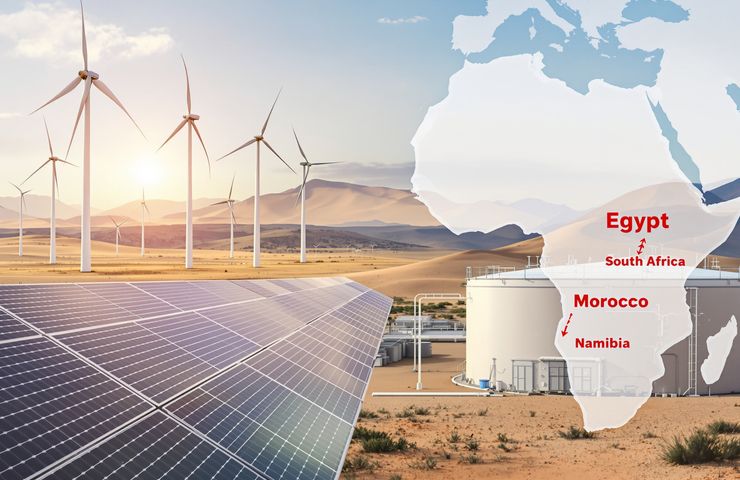
The African Development Bank just announced that it’s backing four green-hydrogen and hydrogen-derivatives projects in Egypt, Morocco, Namibia, and South Africa with reimbursable grants totaling a cool US$20 million. These funds are mainly to help with feasibility studies, engineering designs, environmental assessments, and transaction advisory work, not for actual construction. Of course, everything's still waiting on the green light from the Bank’s Board of Directors.
All four projects combined hint at an impressive US$23 billion investment pipeline. They’re shaping up to include plans for around 20 gigawatts (GW) of solar and wind generation, 7 GW of electrolyser capacity, and roughly 2,950 megawatt-hours (MWh) of battery storage. Those numbers reflect the ambitious vision of Africa’s renewable-driven green hydrogen production plans, showcasing just how far the continent aims to go.
The Role of SEFA and the Grant Structure
These projects are getting their funding through the Sustainable Energy Fund for Africa (SEFA), which the Bank manages to jumpstart early-stage investments in renewable energy and hydrogen. The reimbursable grants cover environmental assessments, regulatory frameworks, engineering studies, and transaction advisory services. The goal here is to tackle those pesky pre-investment hurdles and attract private investors once the technical and commercial kinks are worked out.
Project Ra: Egypt’s Green-Ammonia Hub
Over in East Port Said, DAI Infrastruktur is pushing forward with Project Ra, an integrated platform that will utilize solar, wind, and green hydrogen to produce ammonia. They've set aside about 780 square kilometers for this venture, eyeing a target of approximately 2 million tonnes of green ammonia per year. The proposed grant of US$3.55 million is aimed at funding feasibility studies and engineering work to interlink renewables with electrolysers and a Haber–Bosch loop.
Guelmim Green Hydrogen Valley: Morocco’s Industrial Corridor
In Morocco, the Guelmim Green Hydrogen Valley, sponsored by Nareva Holding, is all about green ammonia, synthetic fuels, and even exploring downstream industries like green steel. This region, Guelmim-Oued Noun, boasts fantastic solar and wind resources and has direct access to the Atlantic. However, securing land agreements and navigating legal sensitivities, particularly concerning Western Sahara, might be key challenges on the road ahead.
Hyphen Project: Namibia’s Integrated Export Complex
Nearing Lüderitz, Hyphen Hydrogen Energy is setting up a vertically integrated facility that fuses renewable energy generation, desalination, battery storage, electrolysis, and ammonia synthesis. The proposed US$5.93 million grant will help with the financial groundwork for water-treatment systems, grid improvements, and port infrastructure. They’ve detailed capacity targets, but right now, the project is still in development, awaiting a final investment decision.
Saldanha Hydrogen DRI: Decarbonizing South African Steel
On the west coast of South Africa, the Saldanha Hydrogen Direct Reduced Iron project, led by Enertrag in collaboration with ArcelorMittal South Africa, is set to use renewable hydrogen to create lower-carbon iron. The proposed grant of US$5.24 million will support pre-feasibility studies and technical definitions at Saldanha Works, aiming for the production of direct reduced iron rather than just fuel derivatives.
Technical Pathways and Infrastructure
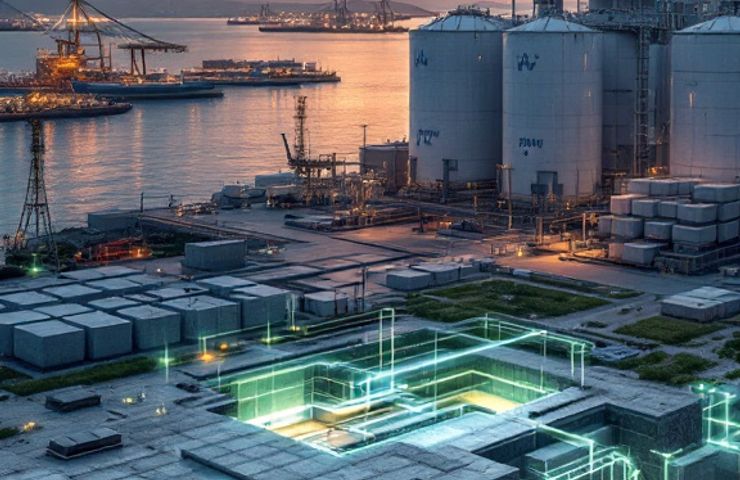
These green-hydrogen setups blend a bunch of technologies. Solar photovoltaic panels and wind turbines provide power for electrolysers, whether they use alkaline or proton-exchange-membrane types, which split purified water into hydrogen and oxygen. Since renewable output can fluctuate, battery energy storage often comes into play to stabilize electrolyser loads and stabilize grids. Seawater desalination is crucial for providing purified water, but managing brine is an important environmental consideration. Finally, hydrogen can either be compressed or converted into green ammonia through a Haber–Bosch loop for easier storage and export. In steel production, hydrogen can take the place of fossil fuels to produce direct reduced iron, creating just water vapor as a byproduct.
Strategic Implications and Market Risks
By funding the journey from concept to financial close, the Bank hopes to tackle issues like hefty capital costs, regulatory uncertainties, and a lack of offtake contracts. While US$20 million might seem small compared to the US$23 billion pipeline, these catalytic grants can have a massive impact if they help secure long-term buyers and reduce risk. Egypt, Morocco, and Namibia are focusing on export-oriented ammonia and fuels, and South Africa is looking to decarbonize its steel industry—a move that requires a robust infrastructure, competitive hydrogen, and certification systems.
Environmental and Social Safeguards
Big hydrogen projects can significantly impact land, water, and biodiversity, especially in sensitive areas like Namibia’s Tsau//Khaeb National Park or disputed regions in Western Sahara. To ensure local communities benefit and conflicts are minimized, transparent land agreements and genuine community engagement are vital. Balancing the need for water with electrolysis demands is crucial, and care must be taken to manage desalination byproducts to protect marine ecosystems. Grant conditions will likely include these safeguards before any funds are released.
Looking Ahead
The Bank’s selection of these projects marks a turning point, moving from discussions to action. What’s next? We’re looking at formal Board approvals, binding offtake contracts, competitive power pricing, and ensuring alignment with international sustainability standards. If everything falls into place, we could see private investment flow in and watch Africa establish itself as a significant player in exporting green ammonia, synthetic fuels, and low-carbon steel. But, of course, the results will depend heavily on governance, buyer commitments, and timely regulatory endorsements.