Oman’s Duqm Transforms into a Green Hydrogen and Ammonia Export Hub
Oman’s Duqm SEZ is becoming a major export hub for green hydrogen and ammonia, led by ACME Group and HYPORT Duqm and backed by government bodies. Projects combine desert solar, coastal wind and electrolysis, with Europe-bound shipments from 2027.
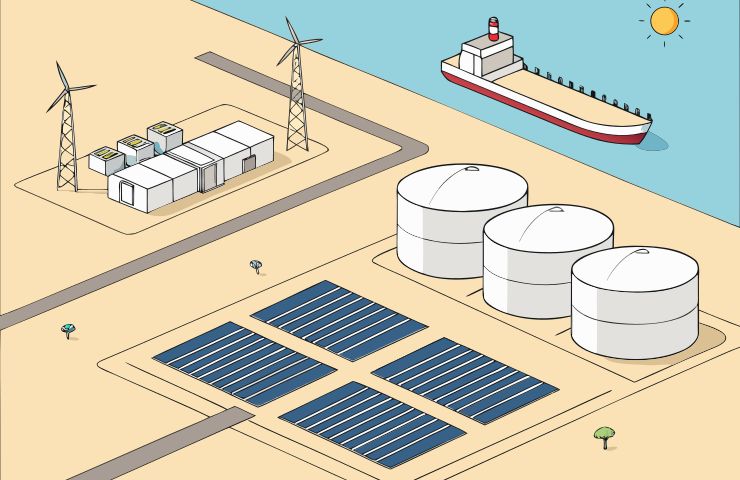
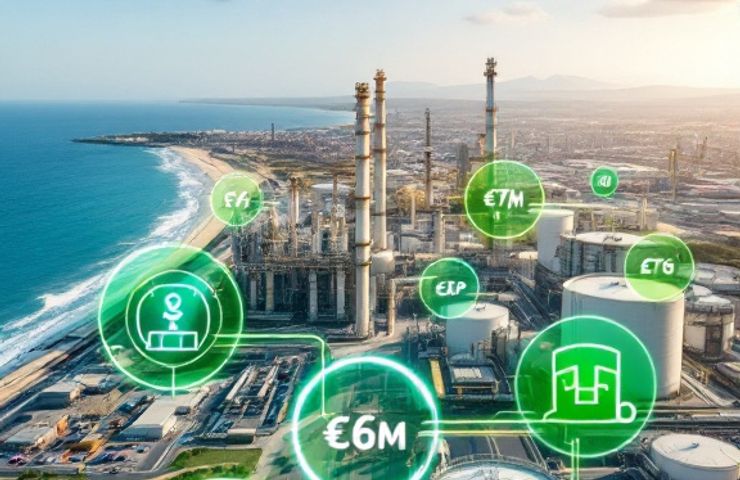
Oman’s Special Economic Zone at Duqm is making headlines as a major center for green hydrogen production and export-oriented green ammonia. On the Arabian Sea coast, a series of multi-gigawatt ventures led by ACME Group and HYPORT Duqm are transforming desert land into industrial clusters. Supported by the government’s Public Authority for Special Economic Zones and Free Zones (OPAZ) and the state-owned entity Hydrogen Oman (Hydrom), these projects illustrate a deep integration of renewable energy resources, innovative electrolysis technology, and robust hydrogen infrastructure. With Europe and Asia lining up offtake deals, this development not only marks a key milestone in green hydrogen news but also signals a new chapter for Oman’s economic diversification under its Vision 2040 agenda.
Scaling Green Hydrogen and Ammonia Production
Oman’s push for large-scale export fuels rests on phased capacity expansions. In an initial agreement, OPAZ granted 12 km² to ACME Group for Phase 1, designed to produce 100,000 tonnes per year of green ammonia. Building on that foundation, ACME’s UK-based unit signed on to double down with phases 2 and 3 integrated into the national hydrogen portfolio by Hydrom. Together, these phases target around 800,000 tonnes annually of green ammonia and 142,000 tonnes of green hydrogen production, backed by a US$4.2 billion investment. Commercial operations are planned in two stages, with ammonia exports set to begin around 2027 and full scale by 2033. Meanwhile, HYPORT Duqm is developing a gigawatt-scale wind and solar farm linked to a 330,000-tonne per year ammonia plant in its first phase, with expansion potential above 2.7 GW in a later stage.
Key Players and Partnerships
The Duqm hub exemplifies collaborative execution. The Public Authority for Special Economic Zones and Free Zones provided land rights and regulatory support, while Hydrogen Oman (Hydrom) runs competitive ground auctions and integrates successful bids into a coherent strategy. Industry partnerships span continents: Asia’s top steelmaker POSCO Holdings joined French utility Engie in a consortium that secured a 5 GW wind and solar block to feed a hydrogen-to-ammonia conversion site producing up to 1.2 million tonnes per year of green ammonia. European offtakers are already on board: Norway’s Yara International holds a firm offtake deal for ACME’s Phase 1 output, while Germany’s Uniper is negotiating terms with HYPORT Duqm. These clean hydrogen offtake agreements underpin project bankability and ensure market access for export volumes.
Technology and Infrastructure
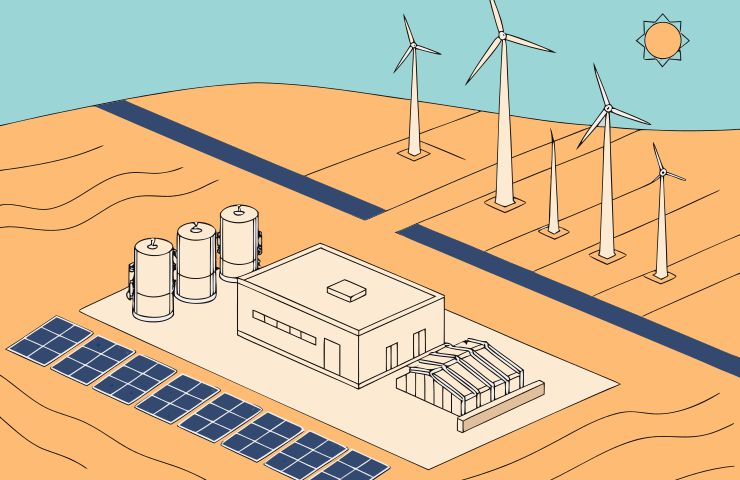
At the heart of these ventures is large-scale electrolysis powered by desert solar PV and coastal wind turbines. In practice, operators route renewably generated electricity into alkaline or PEM electrolysers to split water into hydrogen and oxygen with zero direct CO2 emissions. The resulting hydrogen is compressed or liquefied for storage or piped to adjacent facilities, feeding Haber-Bosch reactors where it combines with nitrogen separated from air to form ammonia. Storage tanks, liquid jetties, and specialised carriers at the Port of Duqm round out the hydrogen infrastructure and logistics chain. Battery energy storage systems help smooth out fluctuating renewable output, safeguarding continuous production. These hydrogen production methods and hydrogen storage approaches set new benchmarks in the region. Rigorous environmental planning and grid integration measures are in place to balance local ecosystem concerns with operational needs.
Economic and Regulatory Framework
Oman’s model for hydrogen project financing combines government-backed land agreements, transparent auction processes, and international investment. Since Hydrom’s inaugural rounds, investors have been able to bid on defined land blocks with clear infrastructure commitments. Project costs run into the billions, but long-term offtake contracts and evolving European regulations provide revenue certainty. Under the EU’s Renewable Energy Directive II, ammonia-based fuels must meet Renewable Fuels of Non-Biological Origin standards to qualify for green premiums. To manage this, certification bodies like CertifHy have already pre-certified HYPORT Duqm’s output, marking it eligible as an RFNBO in Europe. This regulatory clarity streamlines financing for future expansions and signals to lenders that projects are aligned with global decarbonisation trends. In clean hydrogen news, such frameworks are attracting new capital.
Environmental and Social Considerations
Although Duqm’s green hydrogen projects promise substantial carbon savings compared with fossil-based ammonia, they also raise important environmental and social questions. Large-scale solar and wind farms can affect desert habitats and local wildlife, while electrolyser cooling and water supply draw on scarce resources. Authorities are conducting environmental impact assessments to ensure responsible siting and mitigation, though detailed reports remain limited. On the social front, Duqm town is growing fast with new residential communities, housing units, and tourism developments, creating jobs but also increasing demand for local services and infrastructure. Some developers plan to use desalination units powered by renewable energy to supply electrolyser water, reducing pressure on freshwater aquifers. Stakeholders emphasize the need for transparent community consultation and equitable benefit sharing so that local populations can participate in the economic transition. Monitoring the balance between export ambitions and on-the-ground impacts will be key to Duqm’s long-term success as a model for sustainable clean hydrogen news and resource management practices.
Global Impact and Outlook
With Europe ramping up demand for green molecules and Asia pursuing decarbonisation targets, Duqm’s hub is poised to become a cornerstone of international trade in clean energy. First shipments of Omani green ammonia are expected around mid-2027, linking desert renewables to European fertiliser, power, and shipping fuel markets. Over the next decade, volumes could exceed one million tonnes per year, helping replace fossil-based hydrogen imports in industrial hubs. Yet, questions remain around lifecycle emissions, maritime transport impacts, and local social benefits. Stakeholders are keen to monitor how Duqm balances export ambitions with environmental stewardship and community development. As clean hydrogen news continues to unfold, all eyes will be on Oman as it tests the viability of large-scale green hydrogen production corridors.
Ultimately, Duqm’s transformation illustrates how a region rich in renewable energy resources, supported by a clear policy roadmap and strategic partnerships, can carve out a role in the emerging global market for green hydrogen and ammonia. With robust hydrogen infrastructure, clean hydrogen offtake agreements, and a focus on sustainable growth, Oman is setting a template for other countries to follow. Whether you’re tracking hydrogen news or evaluating new export opportunities, Duqm offers a compelling case study in turning desert sun and wind into molecules that might power the next generation of industry and transport.