Hydrogen Fuel Cell Drones Set to Revolutionize Aerospace with 76% CAGR Surge by 2031 - A new market report suggest.
Hydrogen fuel cell drones are set to soar—literally and economically—with a forecasted CAGR of 76.3% by 2031. Asia-Pacific leads this zero-emission aerial revolution.
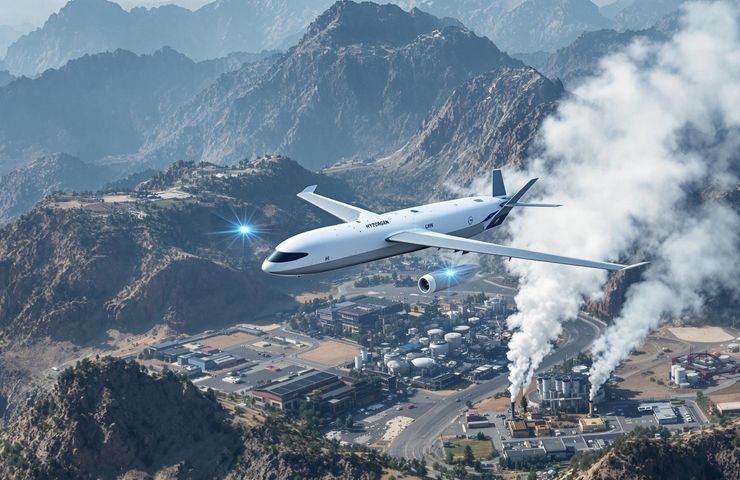
The market for hydrogen fuel cell drones isn’t just growing—it’s taking off. By 2031, it’s expected to skyrocket from USD 41.2 million in 2024 to a jaw-dropping USD 2,085 million. What’s behind this meteoric rise? It all comes down to what end users are asking for: longer flight times, lightning-fast refueling, and clean, zero-emission technology. With a seriously impressive compound annual growth rate (CAGR) of 76.3%, this is one of the fastest-moving sectors in the sustainable energy space.
Longer Flights, Lower Emissions, and a Whole Lot of Opportunity
Unlike traditional battery-powered drones, hydrogen models offer a few big advantages: quick turnaround refueling and higher energy density—meaning they can stay in the air for hours instead of minutes. That’s a game changer for missions like infrastructure inspections, military ops, or emergency response. And as corporate and government policies shift toward cutting carbon, flying clean is becoming more than a preference—it’s a requirement.
Right now, rotor wing drones—especially the multi-rotor and VTOL (vertical takeoff and landing) types—make up about 90% of the current demand. And there's a good reason: they’re perfect for tight, urban environments where agility and vertical movement are everything. Think agriculture, logistics, and infrastructure.
Asia-Pacific Is Leading the Flight Path
When it comes to owning the skies, Asia-Pacific is out in front, commanding a hefty 57% share of the global market. That dominance is no fluke—countries like China, Japan, and South Korea are backing wide-scale hydrogen rollouts with serious public investment in clean energy tech, hydrogen refueling stations, and next-gen transportation.
Europe is next in line at 21%, leaning heavily into aviation decarbonization, while North America owns about 19%, focusing on cutting-edge industrial and defense use cases.
Big Players, Bold Moves
A handful of trailblazing companies are setting the pace for everyone else:
- Doosan Mobility Innovation (South Korea) – Building rugged, high-endurance drones to power South Korea’s push into hydrogen.
- MMC (China) – Offering scalable hydrogen drone solutions across Asia’s expanding infrastructure needs.
- Spectronik (Singapore) – Designing compact, durable tech built for unmanned systems in the real world.
- ISS Aerospace (UK) – Delivering range and autonomy enhancements for complex field operations.
- H3 Dynamics (Singapore/France) – Developing cutting-edge modules for zero-emission technology in industrial UAVs.
- Hylium Industries (South Korea) – Leading the charge in hydrogen storage and liquefaction designed specifically for drones.
Collectively, these companies cover close to 75% of the market and they’re not just shipping drones—they're shaping the future of hydrogen infrastructure with portable fuel stations and next-gen storage solutions. After all, it’s not just about flying farther—it’s about making hydrogen fuel cells fly-ready, affordable, and everywhere.
Why Now? Policy, Performance, and Portability
So what’s making the hydrogen drone market so hot right now? A perfect storm of strategic drivers:
- Government policies and regulations pushing hard for net-zero goals. Electrifying drone fleets is fast becoming a core strategy.
- Performance wins—longer flights, quicker fuel-ups, and more uptime translate to better ROI for industries that rely on constant aerial visibility.
- Fuel cell miniaturization—Thanks to the shrinking size of fuel tanks and power modules, hydrogen drones are more practical and commercially viable than ever.
We're also seeing momentum build in adjacent areas like:
- Specialized workforce training for both UAV handling and hydrogen safety
- Technology crossovers into electric vehicles and off-grid power systems
- Strategic partnerships and acquisitions as tech companies double down on hydrogen fuel cells
Beneath the Rotors: A Fuelscape in the Making
What’s even more exciting? The ripple effect. As hydrogen-powered drones demand more energy, it’s forcing the creation of smarter, wide-reaching hydrogen infrastructure. We're talking modular refueling units that can serve not just drones, but delivery vans, cell towers, and even ground robots in far-off places. In many ways, drones are quietly helping build the next-gen fuel network, one flight at a time.
Where It’s All Headed
As momentum builds, the real challenges now lie in delivering fuel at scale, keeping up with safety regulations, and expanding beyond rotor designs into more aerodynamic, long-distance fixed-wing models. But one thing’s certain:
Hydrogen fuel cell drones aren’t some futuristic concept anymore—they’re already reshaping how we think about flight, inspection, logistics, and sustainable energy. And with global interest heating up fast, these UAVs may just be the most visible frontier in the race toward zero-emission technology.