H2Coastlink 1 Pipeline Strengthens Germany’s Hydrogen Infrastructure from Emden to Leer
EWE NETZ and GTG Nord have begun building H2Coastlink 1, a 24 km high-pressure hydrogen pipeline linking Emden’s 320 MW electrolyser to Germany’s core network at Leer, initially transporting 26,000 t/y and expandable to 70,000 t/y.
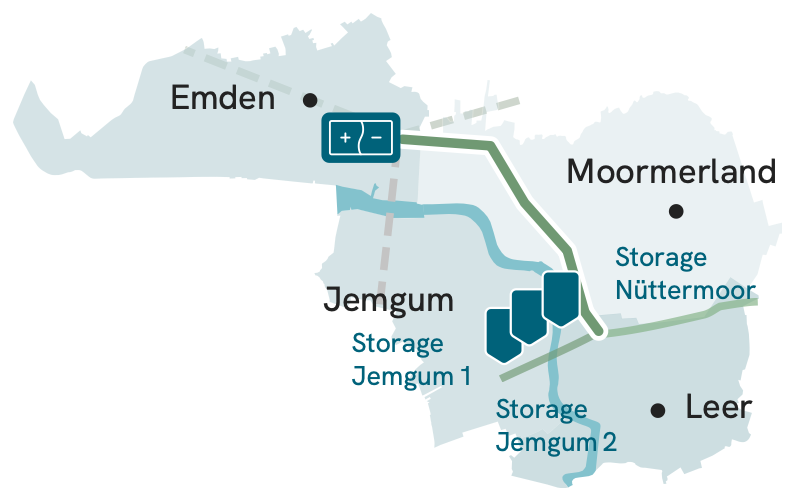
In northwest Lower Saxony, a big project is taking shape as energy infrastructure operator EWE NETZ GmbH has rolled up its sleeves to start building H2Coastlink 1. This new hydrogen transmission line is 24 kilometers long and will link a 320 MW green hydrogen electrolyser in Emden to Germany’s national hydrogen core network in Leer. With a stamp of approval from the transmission system operator Gastransport Nord (GTG Nord) and the Landesamt für Bergbau, Energie und Geologie after thorough environmental and planning checks, this pipeline represents a significant step in developing Germany's federally regulated Wasserstoff-Kernnetz.
Pipeline design and operation
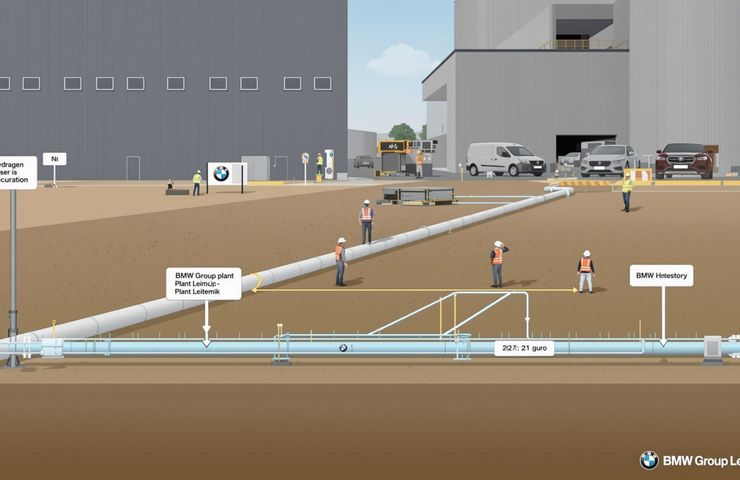
When it comes to design, H2Coastlink 1 is a high-pressure hydrogen pipeline, featuring 0.4-meter diameter steel pipes buried at least 1.2 meters underground. These pipes cleverly follow existing gas corridors and roadways between Emden-Borssum and Leer-Nüttermoor. To keep things flowing smoothly at around 100 bar, compression systems are installed right at the electrolyser inlet, minimizing fluctuations in pressure as the hydrogen joins the core network. This setup also includes inline block valves and monitoring stations, ensuring the pipeline can be safely maintained. At Leer-Nüttermoor, it hooks right up with Gasunie Deutschland’s repurposed HyPerLink pipeline, creating a seamless connection from coastal production to inland industrial hubs.
Initially, the flow of about 26,000 tons per year reflects what the adjacent 320 MW Pem electrolysis facility, developed by EWE Hydrogen GmbH in partnership with Siemens Energy, can handle in its first year. But the pipeline is built for more, with room for growth up to 70,000 tons per year. This means H2Coastlink 1 is not just a simple transport link—it’s set up to be a backbone feeder supporting future projects or imports.
Business case and policy framework
Part of the Clean Hydrogen Coastline initiative, which benefits from the EU’s IPCEI support scheme, H2Coastlink 1 showcases a cutting-edge co-investment model involving various units of the EWE Group (EWE NETZ, EWE Gasspeicher, EWE Hydrogen) and GTG Nord. Public funding is taking care of a big chunk of the investment, with the electrolyser project valued at around €600 million and the pipeline itself estimated to cost about €100 million, according to local reports.
In late 2024, the Bundesnetzagentur gave the thumbs up for the core network, which includes a whopping 9,040 kilometers of hydrogen transmission infrastructure using a regulated tariff model. Following rigorous environmental assessments and public consultations, H2Coastlink 1 secured its formal approval from Lower Saxony’s LBEG, making way for construction. One of the key economic drivers behind this project is a long-term offtake agreement with steel producer Salzgitter AG that envisions a supply of 10,000 tons per year starting in 2030, with expansion options down the line for up to 30,000 tons.
Regional hydrogen ecosystem
In East Frisia, where wind farms cluster around the landscape and the port of Emden stands tall, a new green hydrogen cluster is emerging. The Electrolyse Ostfriesland plant taps into renewable energy from the nearby high-voltage grid to split water into hydrogen and oxygen. It compresses the resulting hydrogen and sends it right into H2Coastlink 1. Other key projects, like the transformation of the Huntorf salt cavern for bulk hydrogen storage and upcoming pipeline plans from Wilhelmshaven and Bremerhaven, are all part of this integrated system: covering production, storage, and transmission.
This cohesive approach tackles one of the big challenges for green hydrogen: moving significant amounts from often remote coastal areas to places where there’s a high demand inland. By linking into the national core network, the electrolysis output in Emden isn’t just a local resource; it’s becoming a vital national asset for decarbonizing heavy industries like steel, chemicals, and refining.
Looking ahead
With the shovels hitting the ground, H2Coastlink 1 is poised to be among the first active links in Germany’s hydrogen backbone by 2027. Once up and running, it’ll help fine-tune technical processes for handling high-pressure hydrogen, setting the stage for future conversions and new pipelines. If all goes well, it could serve as a game plan for blending converted gas lines with new pipelines, striking the right balance between cost and rollout speed.
On the commercial front, this project could kickstart competition among hydrogen producers by opening up new markets with pipeline access, favoring larger electrolysers that can operate at higher utilization rates. Meanwhile, smaller, more isolated initiatives might find themselves at a disadvantage unless they secure strong grid connections. The regulated pricing structure is going to shape hydrogen costs and, eventually, how industries adopt this cleaner energy.
As Germany ramps up its efforts towards a hydrogen economy, H2Coastlink 1 isn't just about connecting Emden and Leer—it's also setting an example for how to turn complex policy frameworks into real-world infrastructure that fuels decarbonization in industry.
About Gastransport Nord and EWE NETZ: GTG Nord is a premier long-distance gas transmission operator, currently leading the way with dedicated hydrogen pipelines in northwest Germany. Meanwhile, EWE NETZ GmbH manages regional gas and electricity grids, taking the helm on the Emden–Leer segment as part of their contract with GTG Nord.