Green Hydrogen Logistics Enhanced by Lhyfe’s New Type IV Containers from Hexagon Purus
Lhyfe has grown its hydrogen transport fleet to 84 Type IV containers by partnering with Hexagon Purus, enhancing its green hydrogen distribution network across Europe through an integrated logistics platform.
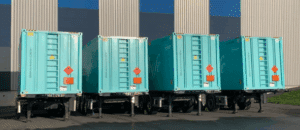
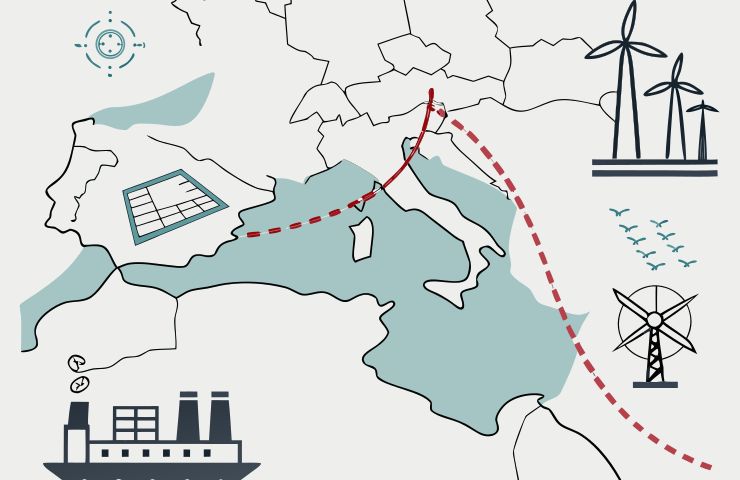
Why is moving hydrogen around Europe like piecing together a giant jigsaw puzzle? Well, every part of the process—production, storage, and transport—has to fit perfectly to create a fully decarbonized energy landscape. For Lhyfe, bringing in 10 new Type IV hydrogen transport containers from Hexagon Purus isn’t just about adding to the fleet; it's a bold move to connect green hydrogen hubs from Atlantic ports all the way to industrial centers across the continent.
Operational Expansion
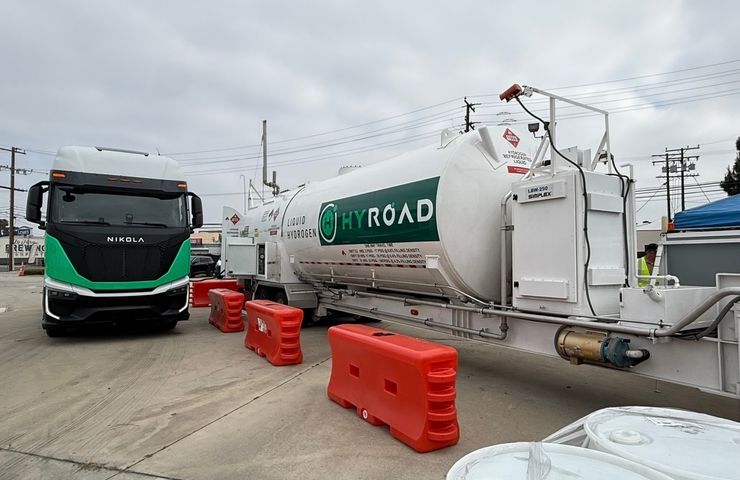
Based in Nantes, Lhyfe has really stepped up its game by integrating these high-pressure vessels into its transport network, boosting their fleet to a total of 84 units. These containers are built to carry hydrogen at pressures of up to 500 bar, making them critical for enhancing green hydrogen logistics across various European corridors. Lhyfe’s network now includes 15 specialized container storage sites and works with four partners that excel in transporting hazardous materials. With 60 certified drivers on board, the addition of these units highlights their readiness to meet the growing needs of both mobility and industrial sectors alike.
Inside the Type IV Container
So, what makes these Type IV hydrogen containers so special? They’re lightweight, made from composite materials that not only provide strength but also resist corrosion. This means they’re not just any traditional steel tanks; they cut down on dead weight, which boosts transport efficiency. Safety is a big deal too. Each unit is packed with pressure-relief devices, leak detection systems, and real-time monitoring to ensure everything stays intact on long journeys—whether crossing borders or navigating through city streets—making them a key player in the low-emission supply chains.
Building a Green Hydrogen Supply Chain
Of course, transport is just one part of the equation. Lhyfe is dreaming big, envisioning a supply chain that stretches from electrolyzers to fuel cells. With production sites already active in France and Germany, the plan is to ramp up capacity by 70% in just a year. This growth aligns neatly with their logistics strategy. Centralized dispatch from Nantes coordinates shipments to refueling stations, industrial off-takers, and research centers. By standardizing container interfaces and collaborating with carriers experienced in moving hazardous goods, Lhyfe is crafting a reliable playbook for hydrogen infrastructure across Europe.
Why Nantes Matters
Nantes is more than just where Lhyfe’s offices are located; it's a hub for maritime innovation where green technologies can truly thrive. The port facilities and a community that champions renewable energy create a fantastic backdrop. Being close to Atlantic wind farms and having access to inland waterways opens up flexible supply routes. Local leaders are all-in on sustainable development, making it easier to get pilot projects off the ground. In this kind of environment, Lhyfe can test improvements on the fly and integrate those lessons back into their logistics framework.
Decarbonization and Market Impact
So, why is this expansion more than just numbers and spreadsheets? Well, green hydrogen is turning out to be a game changer for industries that are tough to electrify, like steelmaking, heavy transport, and maritime shipping. By streamlining the hydrogen transport process, Lhyfe can help bring costs down for the final kilowatt-hour, speeding up adoption across sectors. This strong logistical backbone can help sway companies weighing their options between investing in fuel cell technology versus sticking with traditional fuels. As the EU tightens its emissions targets, having an efficient transport fleet is going to be a huge advantage.
Strategic Collaboration
The partnership with Hexagon Purus really shows how combining specialized knowledge with scale can lead to great things. With over 650 employees and listed on the Oslo Stock Exchange, Hexagon Purus has tons of experience in designing and manufacturing high-pressure systems. Their Type IV cylinders have already proven themselves in buses, trucks, and marine vessels. For Lhyfe, working with a top-notch supplier reduces rollout risks and paves the way for future co-development of next-gen containers.
Policy Momentum
Meanwhile, across Europe, policymakers are laying the groundwork for a hydrogen economy. The European Commission has plans to install over 6 GW of electrolyzers by mid-decade. But here’s the catch—production alone won’t cut it; transport and storage have to keep up too. Lhyfe’s expansion comes at a crucial time, coinciding with various national hydrogen roadmaps that call for more mobility corridors and industrial clusters powered by green hydrogen. This array of support mechanisms, from grants to carbon-pricing signals, shapes the market landscape for both logistics providers and producers.
The Conductor in the Supply Chain
Picture an orchestra without a conductor: without someone keeping time, the performance could fall flat. In the hydrogen supply chain, integrated logistics take on that conductor role. Lhyfe’s approach combines production, storage, and transport in a seamless operation, cutting down on delays during handovers. Their 15 storage sites act as strategic checkpoints, smoothing out seasonal fluctuations in electricity supply and demand. When there's less wind energy available, the stored hydrogen can bridge the gap. And when renewable energy is in surplus, it can be transformed into hydrogen during off-peak times and sent exactly where it’s needed. This careful balancing act relies on having enough container capacity—and that’s where Hexagon Purus comes into play.
Environmental Benefits
Inefficient hydrogen journeys can lead to a higher carbon footprint, especially with half-empty loads or unnecessary trans-shipments. By using high-capacity, trustworthy containers, Lhyfe is cutting down on that hidden overhead. They can meet the same demand with fewer trips, and every kilometer counts in reducing emissions. Over time, as more drivers shift to fuel cell or battery-electric trucks, the emissions savings really start to add up. While road transport still leans heavily on fossil fuels today, the ultimate goal is clear: zero-emission fleets transporting containers from wind farms to factories.
Innovation Horizon
Hexagon Purus has been at the forefront of Type IV cylinder innovations since the early days of the hydrogen shift. Their experience in aerospace and naval applications informs the design of containers that can withstand stress. Lhyfe’s recent investment could trigger collaborative R&D efforts, leading to lighter shells, smarter sensors, and even cooling systems for liquid hydrogen transport. These advances could not only lower costs but also expand the reach of green hydrogen, opening up even remote areas that currently have limited grid connections.
Market Signal
Lhyfe’s moves send a strong message: they’re anticipating a surge in demand. Major players in the chemicals and refining industries are already sending out offtake tenders for clean hydrogen. A solid transport network gives Lhyfe a significant edge in negotiations because often, clinching a contract hinges just as much on reliable delivery schedules as it does on the price per kilogram.
Portable Infrastructure
While the construction of pipelines and local refueling stations is in the works, road-based transport is still going to be vital for the time being. Every container on the road serves as a portable piece of infrastructure, ready to connect to various consumption points. This flexibility might outlast early pipeline projects, especially in areas where construction is slow or meets local pushback. Think of containers as pop-up energy shops: they’re deployable, scalable, and adaptable to shifting demand.
As we look ahead, the puzzle pieces are finally falling into place. Each new container, storage facility, and kilometer traveled strengthens Europe's emerging hydrogen corridors. The big question for all of us is: when will we see zero-emission fleets powering port cranes, regional buses, or steel furnaces fueled by this green molecule? With Lhyfe’s expanded fleet and the market maturing, that timeline just got a bit shorter. And as more players join in, the complete hydrogen puzzle is getting closer to reality.