Ember Infrastructure Bets on Fuel Cell Tech with Strategic Acquisition of Caban Systems
Ember Infrastructure acquires fuel cell innovator Caban Systems, signaling a strategic move into zero-emission backup power for telecom and critical infrastructure.
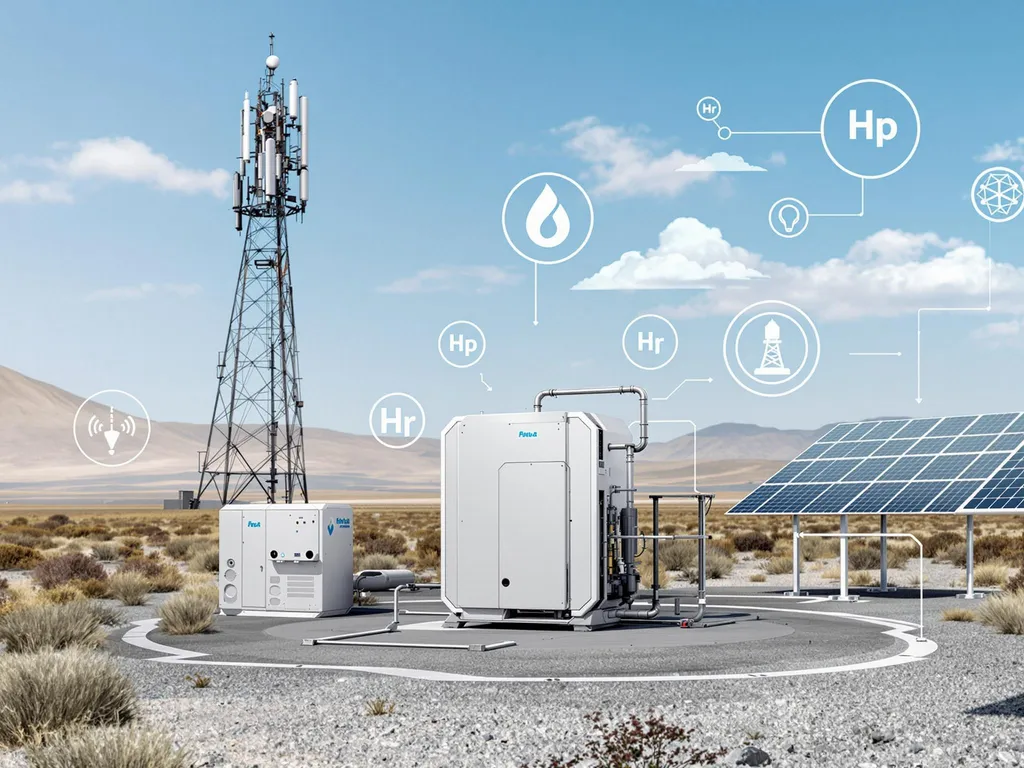
Ember Infrastructure, a U.S.-based investment firm focused on sustainable energy and infrastructure, just made a bold move into the world of fuel cell technology. The company announced its acquisition of Caban Systems, a California firm known for delivering clean, reliable power through hydrogen-powered energy solutions. This isn’t just a play for green credentials—it’s a strategic step into the fast-evolving space of industrial decarbonization, starting with resilience in telecom and other critical infrastructure.
No More Diesel: Cleaner Power for Telecom
If you've ever wondered what keeps telecom towers running in remote areas or places with shaky power grids, the answer, more often than not, is diesel generators. They’re dependable, sure—but also loud, dirty, and expensive. That’s where Caban Systems comes in. Their all-in-one platforms combine fuel cell technology with smart energy storage to provide clean backup power that’s ready when and where it's needed.
As telecom networks expand—especially with the global roll-out of 5G and growing pressure on electric grids—the need for reliable, off-grid power is only going up. Caban is already ahead of the curve, helping telecom companies cut their reliance on diesel. It's not just about being greener; it’s about being smarter in a rapidly changing energy landscape.
From Ember’s perspective, this is more than an investment—it’s a commitment to scale. “Caban checks all the right boxes: strong customer traction, real-world impact, and proven tech,” is something you could easily imagine an investor saying. And they’re not dipping their toe in—they’re jumping in with both feet.
Fuel Cells Find Their Place
The terms of the deal are staying under the radar for now, but it looks like this acquisition wrapped up sometime in the past few months. It gives Ember a seat at the table in one of the most promising corners of the sustainable energy space: distributed energy systems that are clean, reliable, and independent of traditional fossil-fueled grids.
At the heart of it all? Proton Exchange Membrane Fuel Cells (PEMFCs). These compact, ultra-responsive systems can replace noisy old diesel generators without any tailpipe emissions. For telecoms where downtime isn’t an option, PEMFCs are the kind of upgrade that just makes sense.
But the applications go well beyond towers. Think emergency response systems, edge data centers, and microgrids for hospitals or public safety hubs. Caban’s already started proving itself in these areas, but now—with Ember’s resources—it’s ready to go big.
Decarbonizing from the Ground Up
As technologies like 5G, IoT, and remote connectivity redefine how our economies operate, telecom companies are under growing pressure to break up with fossil fuels. That’s where hydrogen fuel cells come into play—not just as a temporary fix, but as a long-term solution for sustainable energy.
Caban’s systems aren’t your typical plug-and-play boxes. They’re adaptive platforms designed with features like grid load-balancing and energy management tools, ideal for areas with fragile power grids. With climate policies tightening and diesel’s days clearly numbered, tech that blends clean energy with smart resilience is exactly where the energy world is heading.
What's Next?
Of course, the road ahead comes with challenges. Everything from hydrogen supply chains to permitting and policy quirks will play a role in how quickly solutions like this scale. But this deal isn’t built on pie-in-the-sky promises. It’s grounded in real needs and ready-to-deploy tech that’s already proving itself in tough environments.
While the wider hydrogen infrastructure space continues to swing between headline hype and regulatory delays, this move signals something different: a practical, grounded use of hydrogen fuel cells in infrastructure that can’t afford to fail. It’s less about betting on the next unicorn startup—and more about building the future of reliable, clean energy right now.
With this acquisition, Ember Infrastructure isn't just writing checks—it’s helping shape the next generation of energy systems. And Caban Systems, with fresh funding and a strong strategic partner, finally has the runway to hit full throttle.
Keep an eye on this space. As regulations tighten and grid demands grow, fuel cell-driven solutions like Caban’s could quietly become the new standard in clean backup power.