China's New Industrial Consumption Rules to Drive Green Hydrogen Production and Industrial Decarbonization
China’s new industrial consumption rules aim to anchor demand for green hydrogen in heavy industry, reducing investment risk, driving decarbonization and stimulating domestic supply chains.
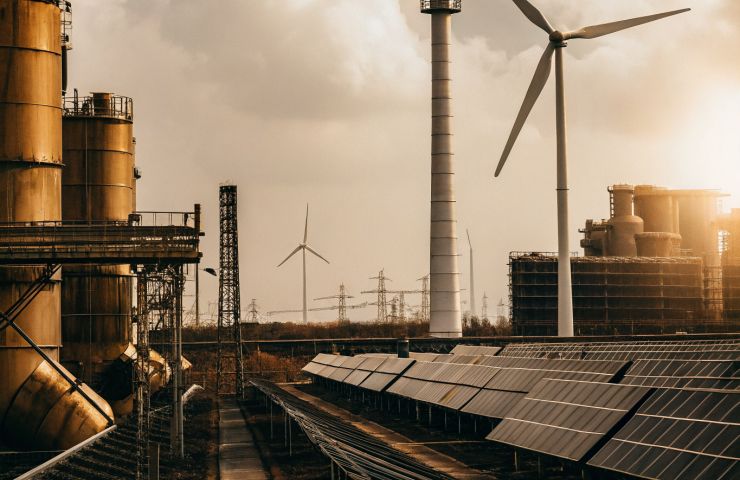
China's just unveiled a fresh framework aimed at supercharging the use of green hydrogen and its byproducts across key heavy-industry hubs. The goal here is to clear up any confusion over how companies involved in steel, chemicals, and refining should go about sourcing low-carbon hydrogen. This move is part of Beijing’s broader effort, led by President Xi Jinping, to hit peak emissions before 2030 and get to carbon neutrality by 2060. In short, they’re making hydrogen production a cornerstone of their industrial decarbonization strategy.
Strategic Implications
By making it clear that industrial players need to start adopting green hydrogen in their operations, China is tackling one of the biggest hurdles for scaling up electrolyzer projects: reliable demand. Their approach involves stable demand provisions—think quotas, favorable procurement practices, or long-term contracts—which can help unlock financing for large installations. In practice, this means clearer revenue streams for producers and less risk for investors. That's huge for emerging technologies, especially when their initial costs are often higher than fossil fuels.
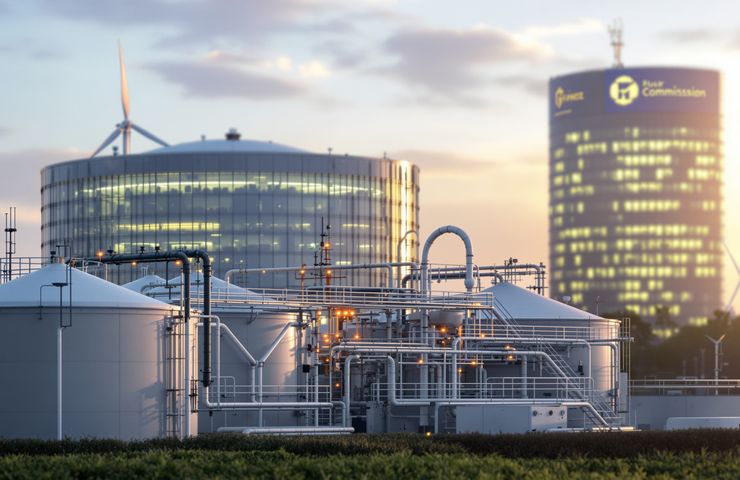
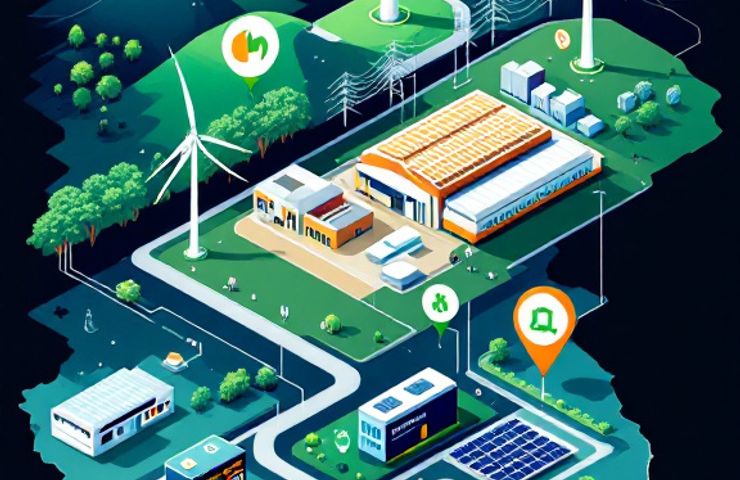
Plus, these new rules pair nicely with China’s aim to cut down on renewable energy waste. In northern and coastal regions, where coal power plants still dominate but wind and solar energy are on the rise, onsite electrolyzers can convert excess electricity into chemical energy. This not only boosts energy security by utilizing surplus renewables but also reduces the region's dependence on imported crude oil and natural gas while enhancing grid flexibility.
And there’s more to it! China's industrial policies suggest that driving demand can build strong domestic supply chains. Just look at the lessons learned from solar panels, wind turbines, and lithium-ion batteries—the internal demand has ramped up manufacturing, lowered costs, and helped Chinese companies gain a foothold in global export markets. We can expect to see a similar trend with producers of electrolyzers, hydrogen storage equipment, and clean ammonia systems.
Policy Mechanics
At the heart of these new industrial rules is a set of guidelines outlining how major polluters should start integrating hydrogen and its derivatives into their operations. While they’re still working on the final legal text, reports suggest measures like:
These provisions are likely to come down from the State Council and the National Development and Reform Commission, along with the National Energy Administration. Rather than an abrupt end to grey hydrogen use, it seems like they’re taking a gradual approach, giving companies time to adjust equipment and renegotiate their supply chains.
Of course, some uncertainties remain about enforcement and penalties. Officials might lean on existing industrial oversight bodies to keep an eye on compliance, but having clear reporting mechanisms will be vital. Without transparent data on how much green hydrogen is being used, it’ll be tough to measure progress or tweak policies to avoid market distortions and overcapacity.
Market Impact
For investors and project developers, the prospect of dependable demand could truly change the game. Electrolyzer manufacturers, who have already boosted their production capacity, can now present solid business cases based on long-term contracts with industrial clients. This shifts hydrogen projects from the experimental phase to full-scale commercial operations, opening up bigger avenues for project financing from both state-owned and private lenders.
On the flip side, steelmakers and chemical producers will have to make decisions about blending ratios and any retrofitting costs. In some instances, modifications to boilers and furnaces may be necessary to accommodate hydrogen's different combustion properties. However, those who jump in early might score some advantages, like lower power tariffs or targeted subsidies, which can help with initial expenses and speed up recovery times.
Broadly speaking, China’s new initiatives could reshape the global hydrogen infrastructure. As the domestic demand helps ramp up manufacturing, we could see prices for electrolyzers and compressors drop in tandem with international markets. Countries that import Chinese-made electrolyzers or are looking to secure green hydrogen supplies—like ammonia—might find themselves enjoying more competitive pricing and reliable supply chains.
Key Takeaways
Potential Challenges
Making sure that hydrogen is truly green is crucial. If electrolyzers are powered by coal-heavy grids without boosting renewable energy sources, the lifecycle emissions will still be pretty high. China needs to sync its renewable energy strategies and grid improvements to ensure hydrogen projects source genuinely clean electricity, rather than just relying on redistributing existing power.
Water availability in dry areas also presents challenges. Large-scale electrolysis demands a significant amount of water, which can strain local supplies in northern regions. Solutions like seawater desalination or advanced water-recycling systems could help ease this burden, but they do add layers of complexity and cost to projects.
On top of that, if the policy-driven demand ramps up too quickly, it could lead to overbuilding in electrolyzer capacity if industrial uptake doesn't keep pace. Policymakers need to roll out consumption rules carefully to avoid stranded assets and ensure that any subsidies or mandates truly reflect readiness in industry. Keeping close tabs on data and conducting regular policy evaluations will be vital for striking that balance.
Lastly, the world will be watching closely as China aligns its standards with global certification processes. Having differing definitions of “green” could complicate opportunities for exporting hydrogen derivatives, like ammonia or synthetic fuels. By harmonizing regulations and fostering multilateral discussions, China could contribute to creating a unified market for low-carbon hydrogen products.
Looking ahead, these industrial consumption rules represent a significant milestone in China’s hydrogen strategy. By establishing demand in challenging sectors to decarbonize, they’re tackling one of the biggest obstacles standing in the way of scaling green hydrogen. The outcomes of this initiative are likely to shape local supply chains, impact global pricing, and ultimately determine hydrogen’s role in China's fight against climate change.