Hyundai Unveils Integrated Hydrogen Infrastructure and Ecosystem Vision for Europe
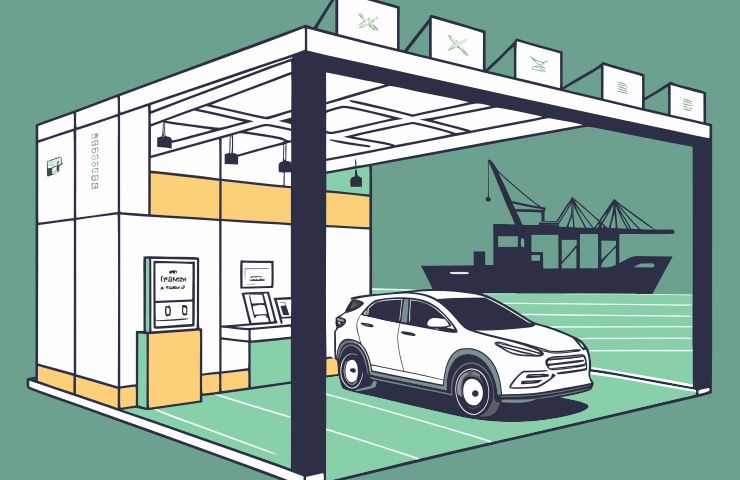
In a strategic push at this month’s World Hydrogen Summit & Exhibition in Rotterdam, Hyundai Motor Group presented a holistic vision for a hydrogen-powered future in Europe. Facing both EU climate targets and the need for energy security, the group showcased an ecosystem that links hydrogen production, infrastructure, fuel cell systems, and zero-emission vehicles in one integrated narrative—a departure from traditional stand-alone technology demonstrations.
Mapping the End-to-End Hydrogen Value Chain
Under the HTWO brand, Hyundai laid out its concept for a seamless hydrogen value chain:
- Green hydrogen production via electrolyzers powered by wind or solar
- Compression, storage, and transport using standardized high-pressure tanks and pipeline segments
- Refueling infrastructure with modular HTWO stations designed for cars and heavy vehicles
- Fuel cell system deployment for mobility (road vehicles, buses, trucks) and stationary power (grid balancing, industrial backup)
By presenting these components together, Hyundai aimed to illustrate how coordinated investment and standardized solutions can drive down costs and de-risk projects from the outset.
From NEXO to XCIENT: Flagship Fuel Cell Platforms
At the booth, the all-new NEXO fuel cell electric vehicle stood as the passenger-car flagship, showcasing a next-generation proton exchange membrane (PEM) stack, high-pressure hydrogen storage, and a battery buffer for regenerative braking. Alongside, the Class-8 XCIENT Fuel Cell truck platform underlined Hyundai’s commitment to heavy-duty transport, with multiple stacks delivering up to several hundred kilowatts of power and tanks engineered for long-haul operations. Hyundai reports that European XCIENT fleets have collectively covered some 20 million kilometers—a milestone it attributes to growing confidence in hydrogen logistics.
European Leadership through HEHE
Leading the presentation, Mark Freymüller, CEO of Hyundai Energy & Hydrogen Europe (HEHE), stressed that no single player can scale hydrogen alone. He framed partnerships with:
- Port authorities—for decarbonizing terminals and enabling ship-to-shore fuel supply
- Fleet operators and logistics firms—seeking predictable total cost of ownership
- Infrastructure developers—co-investing in refueling stations under sharing models
- Policymakers—aligning subsidies, permitting, and offtake frameworks
Freymüller emphasized that Hyundai’s two decades of fuel cell R&D in South Korea form the backbone for transferring proven solutions to European markets.
Aligning with EU Policy Ambitions
Europe’s Hydrogen Strategy and Green Deal set out to ramp renewable hydrogen capacity into the tens of gigawatts by 2030, with parallel EU funding streams such as IPCEI and the Fit-for-55 package driving capital toward electrolysis, heavy-industry decarbonization, and transport corridors. Hyundai’s ecosystem pitch aligns closely with these frameworks by offering turnkey solutions that can qualify for public grants and private investment under common standards—potentially simplifying project development at national and regional levels.
Financing and Market Dynamics
Securing finance for hydrogen infrastructure remains one of the sector’s pivotal challenges. Hyundai’s strategy to co-invest, as it did through H2 MOBILITY in Germany, signals a shift in which OEMs share both upside and execution risk. For fleets weighing battery-electric versus fuel cell trucks, factors such as:
- Refueling speed and range requirements for long-haul routes
- Total cost of ownership, including fuel, maintenance, and downtime
- Availability of renewable electricity for green hydrogen
- Operational consistency in extreme temperatures
all feed the decision. Hyundai’s reference case of 20 million kilometers driven aims to tip that balance by showcasing reliability under real-world conditions.
Technical Cornerstones and Interoperability
In both passenger and heavy-duty applications, Hyundai relies on PEM fuel cells: hydrogen splits into protons and electrons at the anode, travels through a polymer membrane, and recombines with oxygen at the cathode to produce electricity and water. Standardized stacks and power modules—tuned for automotive duty cycles or continuous stationary use—are designed for scalability and ease of integration, reducing engineering complexity for system integrators.
Remaining Hurdles
Despite this cohesive vision, key challenges persist. Electrolyzer costs must fall further, driven by supply chain maturation and catalytic material innovation. Regulatory alignment on safety, permitting, and cross-border infrastructure remains patchy. And although fuel cells excel in long-range scenarios, battery-electric solutions continue to gain ground in medium-duty and urban use. Europe’s next steps in crafting supportive regulations and securing offtake agreements will be critical to overcoming these barriers.
Port Decarbonization and Industrial Integration
In Rotterdam and other major ports, heavy equipment like yard cranes, forklifts, and harbor trucks can be powered by hydrogen fuel cells, drastically cutting local emissions. Hyundai’s HTWO platform includes scalable onsite production modules that could be deployed at port terminals, allowing cargo operators to produce hydrogen directly via electrolyzers, store it onsite in buffer tanks, and distribute it to vehicles and nearby industrial sites. This integrated model reduces reliance on external supply chains and offers a template for industrial clusters aiming to meet net-zero targets.
Stationary Power and Grid Support
Beyond mobility, Hyundai highlighted stationary fuel cell modules under its HTWO Grid line. These units can deliver reliable backup power for data centers, telecom networks, and industrial processes, while also providing grid-balancing services by ramping output up or down in response to renewable generation variability. By positioning fuel cells as flexible energy assets rather than niche backup systems, Hyundai aims to broaden the addressable market for hydrogen, tying together production, storage, and digital energy management platforms.
The Role of Green Hydrogen and Certification
While Hyundai’s ecosystem is designed to be technology-agnostic regarding hydrogen source, the environmental impact hinges on production pathways. The company indicates a preference for renewable-powered electrolysis to deliver green hydrogen, which can be certified under evolving EU guarantees-of-origin schemes. Transparent certification and traceability will be essential to ensure that the hydrogen fueling NEXO cars, XCIENT trucks, and stationary modules truly delivers lifecycle emissions reductions, supporting Europe's broader climate targets and helping operators qualify for incentives.
Future Outlook
Hyundai’s Rotterdam showcase positions it as more than a vehicle-maker—it seeks to be an ecosystem architect able to deliver hydrogen corridors from port to hinterland. The real test will come as these concepts move into pilot projects and commercial roll-outs: will ports like Rotterdam adopt HTWO-branded cluster solutions, and will fleet operators sign multi-year supply and service contracts? The coming months of project selection, financing decisions, and station deployments will reveal whether this vision scales beyond the exhibition hall.
About Hyundai Motor Group
Hyundai Motor Group, headquartered in South Korea, is a global leader in automotive innovation. Since forming its first fuel cell research team in 1998, the group has developed landmark FCEVs including the ix35 Fuel Cell, NEXO, and XCIENT Fuel Cell, and now coordinates a full hydrogen ecosystem through its HTWO brand, covering production, storage, distribution, and applications in mobility and stationary power.